
Last updated November 16, 2026
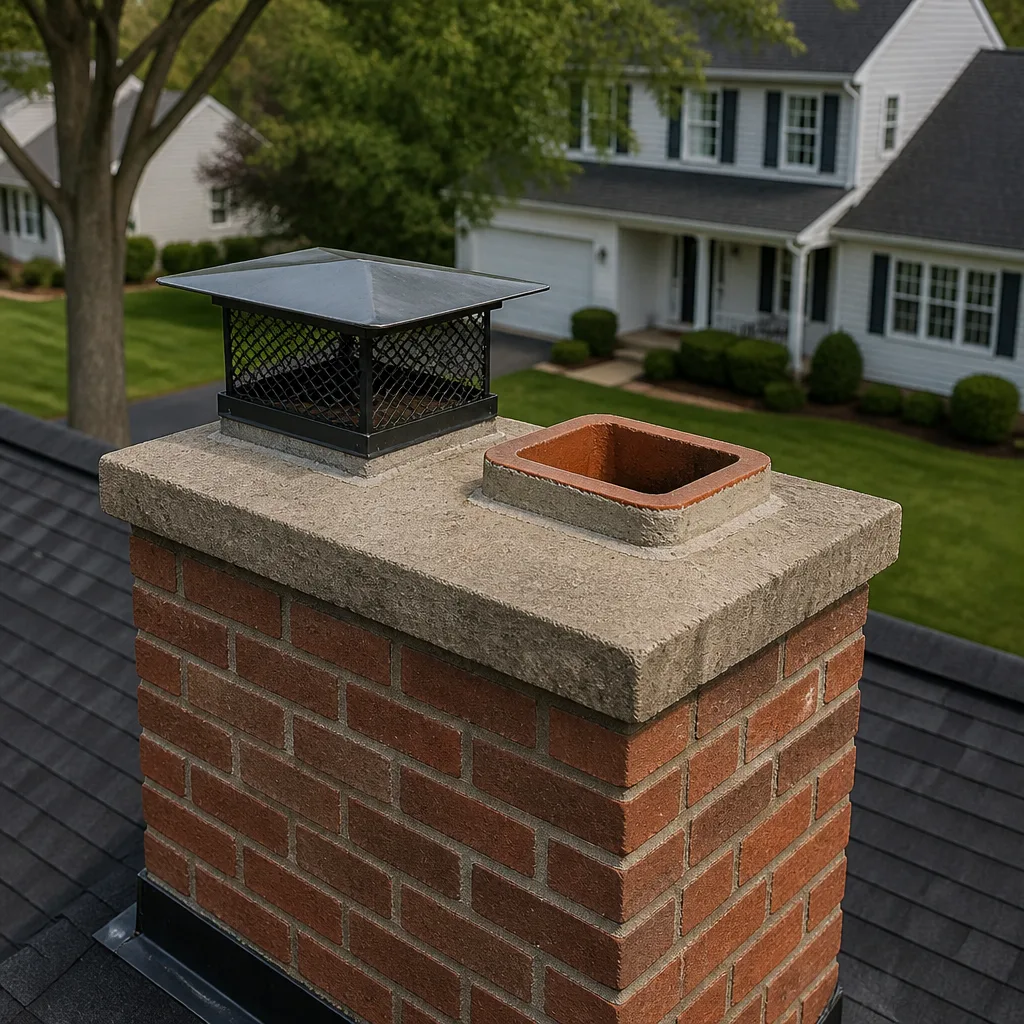 Sweep & inspection
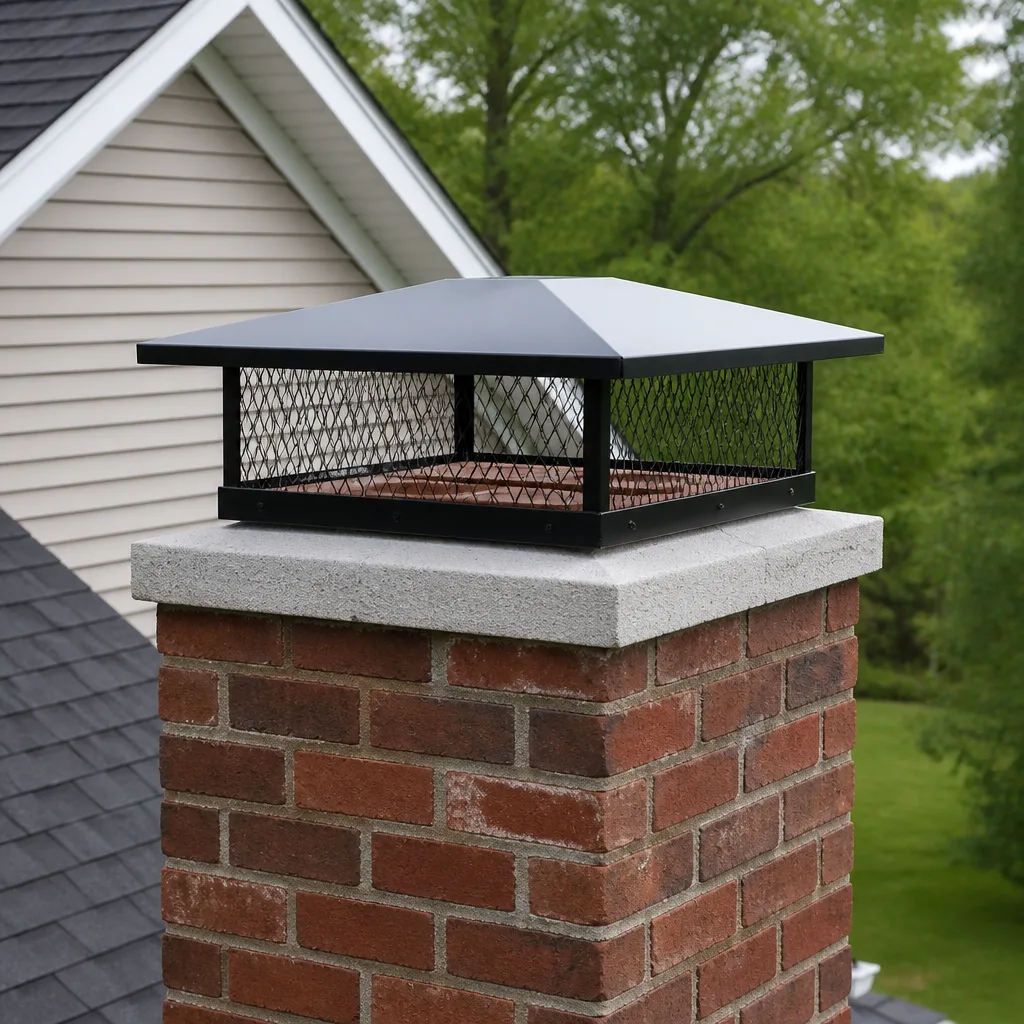 Caps & crowns
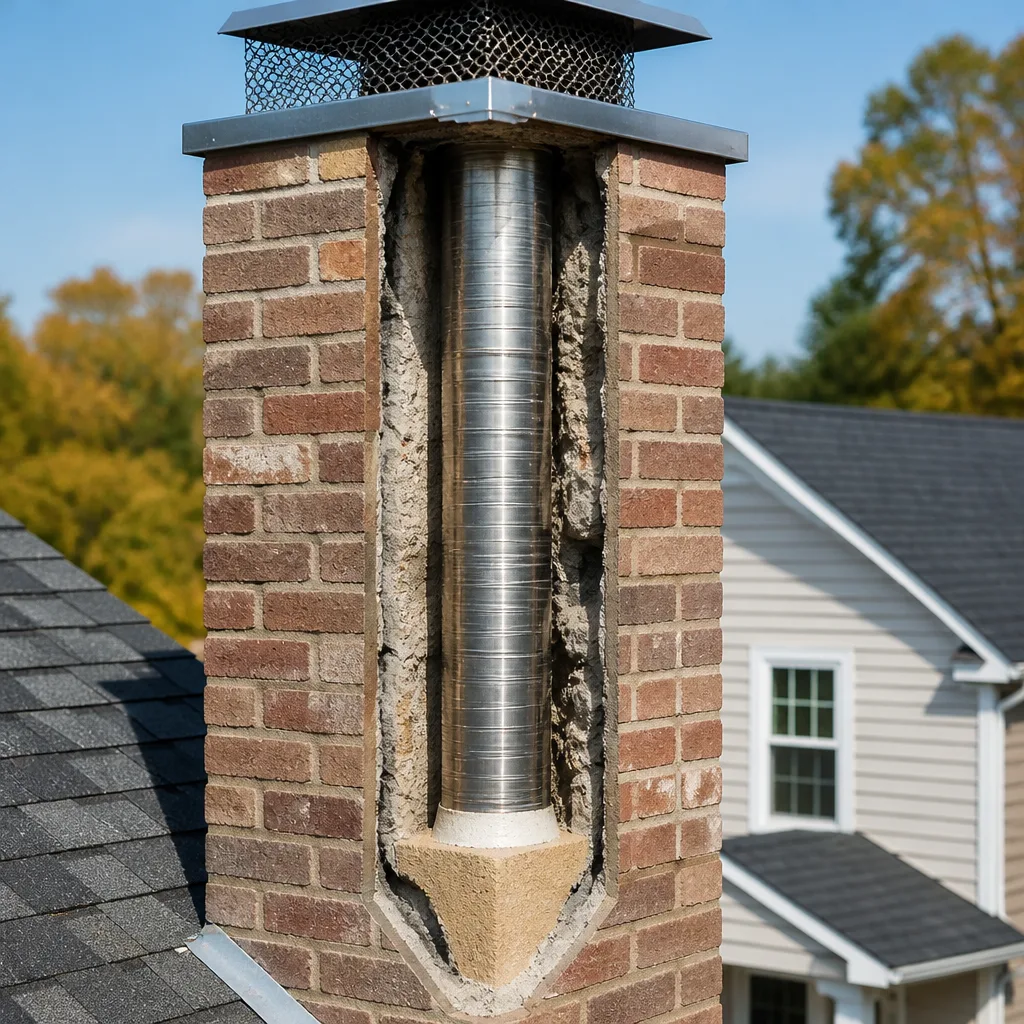 Flue relining
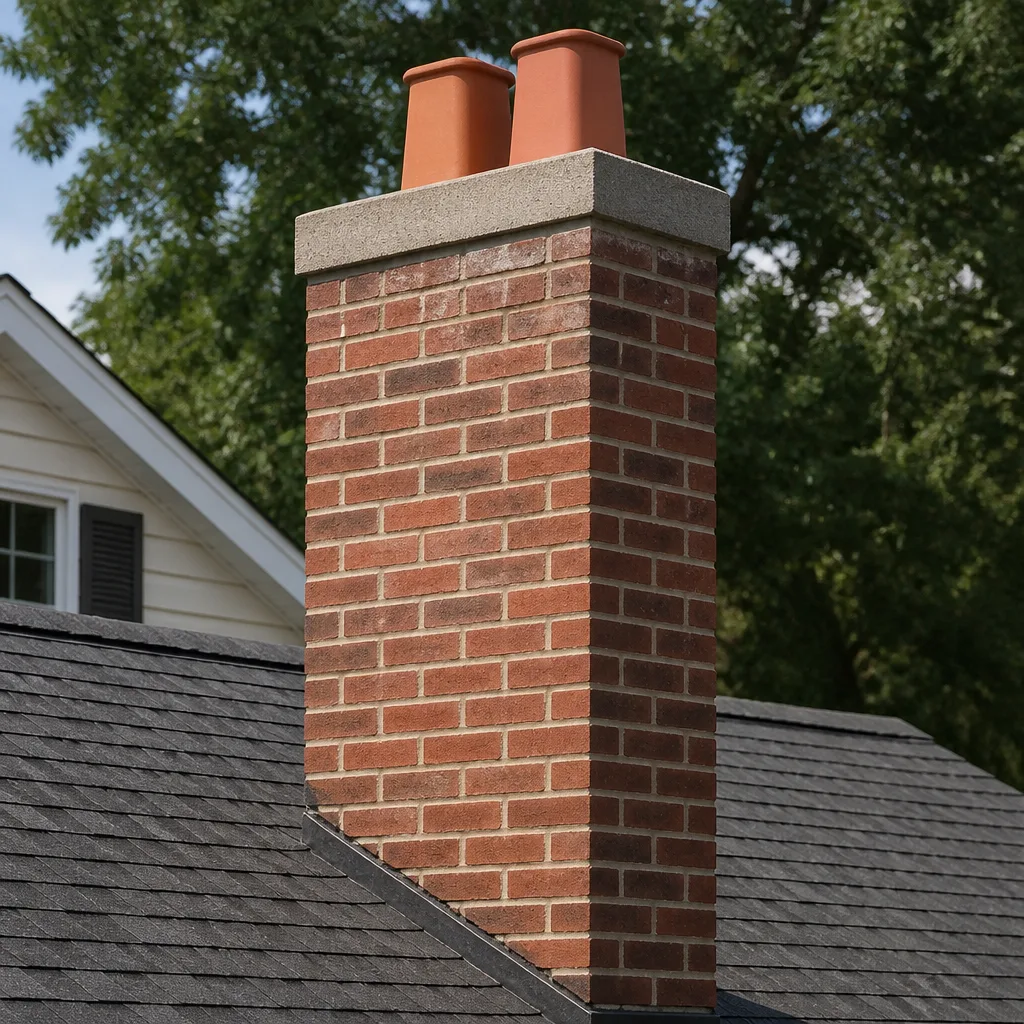 Masonry repair
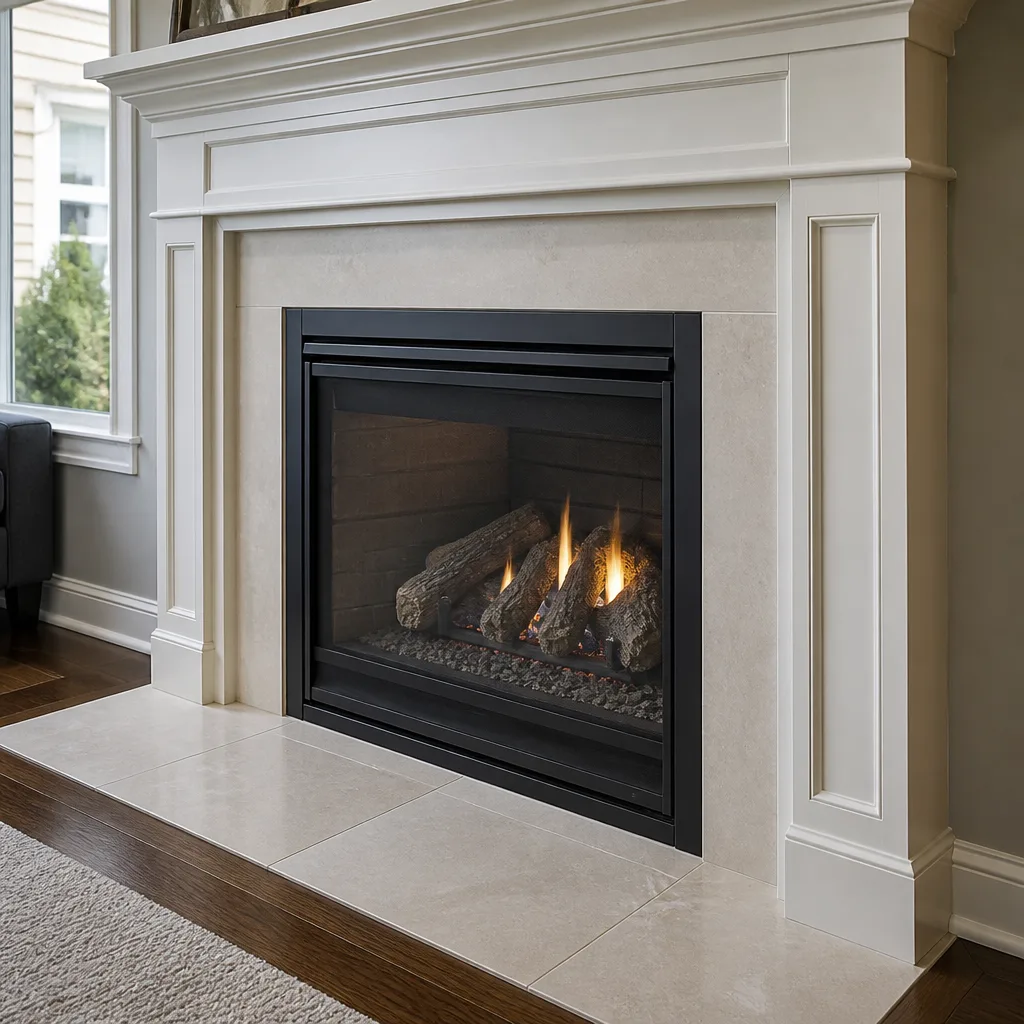 Gas fireplace service
Level 1 sweep and inspection to the NFPA 211 annual standard - flue, crown, cap, and flashing checked and photographed
Chimney sweep logs do not sweep chimneys. They loosen some creosote - which then falls where a brush and vacuum still have to collect it.
Chimney Sweep Maintenance Schedule: What to Do and When
Most chimney advice you’ll find online assumes a house in New England burning cordwood all winter. That advice gets repeated word for word to homeowners in Palm Coast who light a gas log set a few evenings a year, and it produces two bad outcomes: people pay for annual services they don’t need, or they skip the one inspection that actually matters for their fuel type. The NFPA’s guidance says chimneys should be inspected annually, but it also says “at minimum,” a qualifier that gets buried when a yearly contract is on the table. This guide lays out separate maintenance tracks for gas inserts, occasional wood burners, and decorative-only fireplaces in Palm Coast, with real intervals instead of “as needed,” plus the spring and fall checks that reflect how chimneys here actually age.
Quick Answer
There’s no single schedule that fits every Palm Coast home. Gas log sets that burn a few hours a week typically need an inspection every year or two, with sweeping only when the inspection shows buildup. Occasional wood burners (a cord or less per season) need an inspection every year and a sweep roughly every cord burned. Decorative-only fireplaces that never see a fire need an inspection every two to three years to catch cap, crown, and liner deterioration. In every case, a visual inspection of the cap and crown should happen each spring regardless of how much the fireplace was used.
Styles & brands we work with
- Sweep & inspection
- Caps & crowns
- Flue relining
- Masonry repair
- Gas fireplace service
Table of Contents
- Why one annual schedule doesn’t fit every Palm Coast chimney
- The three maintenance tracks: gas, occasional wood, decorative-only
- The spring cap and crown check (regardless of use)
- What you can check yourself between visits
- Why the fall startup inspection matters more in Florida
- Year-one checklist for homes with an existing liner
- Why material choice affects your maintenance calendar
- What maintenance typically costs
Why One Annual Schedule Doesn’t Fit Every Palm Coast Chimney
The annual sweep was standardized in places with long heating seasons and heavy wood use. In Palm Coast, a gas fireplace might burn for forty evenings a year, and a wood-burning insert might see half a cord over a mild winter. Treating both of those the same way as a house that burns four cords ignores how chimneys actually degrade.
What does a chimney here face? Mild winters, high humidity, and long stretches of disuse. Those conditions change the pattern of deterioration. Creosote buildup from heavy wood burning is a slower concern here than it is up north. But moisture intrusion, cap screen corrosion, and crown cracking happen faster in a humid climate where a chimney sits idle for eight months and then gets used hard for two. Those are the failure points we see most often in Palm Coast homes.
The NFPA’s annual inspection recommendation is about detecting problems before they become expensive. It’s not a mandate to sweep every year. On a gas appliance that’s burning cleanly, an inspection can reasonably confirm that no service is needed. On a wood-burning insert that gets real use, the inspection is more likely to find something. The schedule should follow the fuel and the use, and the inspection is always the starting point.
Two questions determine which track applies to you:
- What fuel does the appliance burn, and is it vented (a real flue) or vent-free?
- How many times per year does the fireplace actually get used, and for how long each time?
Answer those and the schedule largely writes itself. The sections below spell out each track in detail.
The Three Maintenance Tracks: Gas, Occasional Wood, Decorative-Only
Split your fireplace into one of three categories. Each has a different service interval and a different reason behind it.
Track 1: Gas log sets and gas inserts
Gas appliances produce much less creosote than wood, but they still produce water vapor and mild acidic condensate. A vented gas log set that runs a few hours a week needs:
- Inspection: every 12 to 24 months, depending on hours of use and whether the pilot stays lit through the season.
- Sweeping: only when the inspection finds debris, animal nesting, or condensate-driven flaking inside the flue.
- Cap and crown inspection: every spring, unrelated to how much the fireplace was used.
- Venting check: at every inspection, since a blocked or partially collapsed flue on a gas appliance can push exhaust back into the room. This is the reason annual inspection matters more than annual sweeping on gas.
Track 2: Occasional wood burners
A homeowner who burns under one cord per season needs a real inspection every year, but sweeping frequency should track the volume actually burned:
- Under half a cord per season: sweep every two years, inspect every year.
- Half to one full cord per season: sweep every year to eighteen months.
- More than one cord, or burning green or unseasoned wood: sweep annually, and consider a mid-season inspection if you notice smoke rolling into the room.
At each sweep the technician should also check the damper seal, the firebox mortar joints, and the smoke chamber. HeatShield resurfacing can extend the life of a smoke chamber showing early deterioration without requiring a full liner replacement, which is why catching that stage matters.
Track 3: Decorative-only fireplaces
Some Palm Coast fireplaces are essentially architectural features. The homeowner never lights a fire. Those still need attention, just on a longer cycle:
- Inspection: every two to three years, with the focus on the cap, crown, liner joints, and any draft problems from disuse.
- Sweeping: only if the inspection finds debris, bird nesting, or pest intrusion, which happens more than you’d expect in a flue that sits open.
- Cap screen condition: checked every spring. A rusted or torn screen is an entry point for animals and rain.
Even a fireplace that’s never lit can develop a damaged cap or a cracked crown, and those failures leak water into the chase, which eventually damages the liner and the framing around it. The lower-use track is not the no-maintenance track.
The Spring Cap and Crown Check (Regardless of Use)
Spring is when the chimney inspector should look at the top of the chimney, not the firebox. That’s counterintuitive if you grew up thinking of chimney work as a fall activity, but here’s why it matters in Palm Coast.
The cap and crown take the entire eight months of the off-season. A cracked crown lets water into the masonry, and that crack widens with every wet-and-dry cycle through summer and early fall. By the time a homeowner notices a stain on the ceiling in December, the damage started in June. A spring inspection catches it in June instead.
What the spring check covers
- Cap condition: the top plate, the mesh screen, and the mounting. Rusted-through screens allow birds and squirrels into the flue; loose caps allow direct water entry.
- Crown integrity: the concrete or mortar cap at the top of the chimney, checked for visible cracks, spalling, or separation from the flue tile.
- Flashing: where the chimney penetrates the roof, checking for lifted or deteriorated flashing, which is the most common source of hidden water damage.
- Chase siding and efflorescence: white chalky deposits on the chase exterior point to water moving through the masonry, which needs investigating before it gets worse.
Our technicians install Gelco and Famco caps and covers, both brands specified by chimney professionals for durability and correct draft control. A cap that wasn’t sized right for the flue opening creates as many problems as no cap at all: it can restrict draft, allow backdrafts, or fail to drain properly. When we recommend a cap, we’ve already measured the flue and confirmed the sizing against the appliance’s draft needs.
What You Can Check Yourself Between Visits
You don’t need to get on the roof or open the firebox to catch most early problems. These are the checks a homeowner can do safely, with a clear line between “note it” and “call us.”
Caps and screens, viewed from the ground
- Pass: the cap looks flat, the screen mesh is uniform and intact, no visible rust holes or sagging.
- Fail: screen mesh torn or missing in patches, cap leaning, or visible rust-through. Call for an inspection.
Efflorescence on the chase
Efflorescence is the white, chalky stain that appears on brick or masonry when water is moving through it and evaporating from the surface. It’s not cosmetic.
- Pass: no white deposits, or a small patch that fades after a dry spell and doesn’t return.
- Fail: white staining that persists or spreads, or that gets worse after rain. This points to water intrusion, and it needs a professional look.
Damper sealing
With the fireplace empty, close the damper and check with a flashlight in the firebox.
- Pass: no visible light around the edges and no cold air moving through when you hold your hand near the closed damper.
- Fail: light visible around the frame, or consistent cold draft coming through. Damper gaskets and frames are part of the repair scope, not a DIY swap on most units.
Interior signs
- Smoke stains around the firebox opening or above it (draft problem, sometimes cap-related).
- Rust or water tracking inside the firebox (water coming down the flue).
- A persistent smoky smell in the room when the fireplace hasn’t been used (creosote or debris, worth an inspection).
If any of those appear, make the call. A homeowner check is designed to catch obvious changes early, not to replace the professional inspection.
Why the Fall Startup Inspection Matters More in Florida
In northern climates, the traditional pattern is a post-season sweep after winter, then a quick visual before the next heating season. Here, the fall check should carry more weight.
Why? Because the chimney has sat mostly idle through the hottest, most humid months. That’s the period when caps corrode fastest, masons absorb and release moisture repeatedly, and animal and insect activity is at its peak. A chimney that passed inspection in April has had eight months of summer weather since. The fall check confirms that the conditions you trusted at the start of the year still hold before you light a fire.
Two things get caught by a fall inspection that a spring one misses:
- Blocked flues from summer nesting. Birds and squirrels use the flue as shelter during the breeding season, and a partially blocked flue is a serious carbon monoxide risk on the first burn.
- New cracks in the crown or chase. The late-summer rainy season is when moisture-driven cracks emerge. A crown that looked fine in April can show a new open crack by October.
The fall inspection is also the right time to bring up any changes to your appliance: a new gas log set installed over the summer, an insert that was serviced, or a damper that was repaired. A quick conversation before the first fire prevents a lot of midsession frustration.
If you’re already scheduling a chimney repair in the fall, the inspection can usually be combined with it. One visit, both purposes.
Year-One Checklist for Homes with an Existing Liner
If you bought a home with an existing liner (DuraFlex stainless liners are common in sold-and-resold Florida homes), the first year is when you establish a baseline. After that, the schedule is set by what the baseline shows. Specific intervals matter here because general contractors often skip liner-connection checks entirely.
First 12 months after a home purchase
- Full inspection at the first opportunity. Not just a quick look. A camera inspection of the flue confirms the liner’s condition, especially the connections at the top plate, at the appliance collar, and at any elbow joints.
- Confirm the liner type and size. DuraFlex liners come in different grades and configurations depending on fuel type and appliance. Knowing which one you have sets the maintenance expectations.
- Check seals and insulation at the top. The top plate seal and the insulation blanket are what keep moisture out and draft consistent. Both degrade faster here than up north, where they’re checked mostly for cold-weather performance.
- Verify the cap is properly fitted. Aftermarket caps installed by a previous owner can be the wrong size or wrong type for a stainless liner. Confirm the fit matches the flue.
- Photograph everything. A complete inspection with a photo report gives you a reference point for future years and is genuinely useful for insurance and resale discussions.
After the first year
- Annual visual inspection of the liner connections and top plate seal.
- Camera inspection every three to five years for gas and occasional wood track homes, or sooner if you notice draft problems.
- DuraFlex connection recheck whenever the appliance is replaced or serviced, since the collar connection is the most common point of failure.
We work with DuraFlex, and the specific inspection intervals reflect how those liners are built. The connection points are where issues show up first, and the visual plus camera combination catches them long before a homeowner would notice a problem inside the firebox.
Why Material Choice Affects Your Maintenance Calendar
Two chimneys with identical fireplaces can require very different maintenance schedules based on what’s underneath. A cheap aftermarket cap with a thin screen corrodes in two or three years; a Famco or Gelco top will outlast it by a wide margin. A smoke chamber with a proper HeatShield resurfacing can last years longer than an untreated one before it requires reconstruction.
That’s why material decisions aren’t separate from the maintenance plan; they’re part of it. When we recommend a material, it’s because it changes the service interval for the better. The full-service specialist approach works the same way: a real chimney sweep visit finishes with an inspection, and the inspection informs what comes next, whether that’s a cleaning, a repair, or nothing.
We stock and install components from Olympia Chimney and Copperfield, both comprehensive supply networks for chimney components. That means when a specific part is needed, it’s accessible, and the plan doesn’t shift because the part isn’t. We also install Gelco and Famco caps, both chosen because they hold up to the local off-season moisture better than generic equivalents.
HeatShield is the material we use for liner resurfacing. When a smoke chamber or flue shows early deterioration, resurfacing can extend the chimney’s life without a full liner replacement. That capability also changes the maintenance recommendation: instead of planning for a replacement in two or three years, we can plan for a resurfacing and reset the long-term schedule.
What Maintenance Typically Costs
Costs vary by service type, appliance, and whether the work is a routine visit or a repair. Typical ranges in Palm Coast are useful as a rough planning tool, but every job gets a written estimate before any work is booked, and that estimate sets the final price. The table below is a starting point for understanding the schedule, not a quote.
- Standard inspection (visual, with photo report): modest. The foundation of every recommendation.
- Camera inspection of the flue: higher than visual, and usually included in any liner or repair assessment.
- Standard sweep (wood-burning appliance): mid-range, varies with flue length and access.
- Gas appliance inspection (venting and connections focus): similar to a visual inspection, sometimes less.
- Liner connection recheck: typically within inspection pricing unless the connection needs repair.
- Cap or crown repair and replacement: varies with material and access, and is quoted after inspection.
- HeatShield resurfacing: a repair-level cost, quoted per job.
The honest advice: get the inspection first. On a gas appliance, it may tell you that no work is needed this year. On a wood appliance, it may confirm the schedule you already have. In both cases, you’ll know what to plan for, and nothing is recommended without camera or photographic evidence you can see for yourself before approving it.
Common Mistakes to Avoid
- Sweeping annually when the inspection doesn’t call for it. A gas appliance running clean doesn’t need a yearly sweep. The inspection determines the need, not the calendar. Following the calendar instead of the inspection leads to over-maintenance and possibly missed problems.
- Skipping the spring check because the fireplace isn’t in use. The spring is when cap and crown deterioration is easiest to catch and cheapest to address. Waiting until fall means the damage had eight months of Florida weather to develop.
- Treating a decorative-only fireplace as maintenance-free. A flue that sits idle for years is more likely to have a cap failure or animal nesting than one that’s used weekly. The lower-use track still requires attention, just on a longer cycle.
- Assuming a contractor who does roofing or general repair can do chimney maintenance. Chimney work is a specific trade with specific safety risks, particularly with gas venting and liner clearances. A generalist is more likely to miss the component-level issues a specialist catches.
- Letting a small crown crack go through a rainy season. A crown crack that’s small in spring can compromise the chase by fall. Crown work in April is cheaper than the water damage it prevents in October.
- Assuming the cap hasn’t changed since the last inspection. Caps and screens are the fastest-wearing components in this climate. A cap that passed last year can have a rusted through-screen this year.
- Skipping the fall inspection when the spring one was clean. The summer is when the off-season damage happens. Even a chimney that passed inspection in April can have new issues by October.
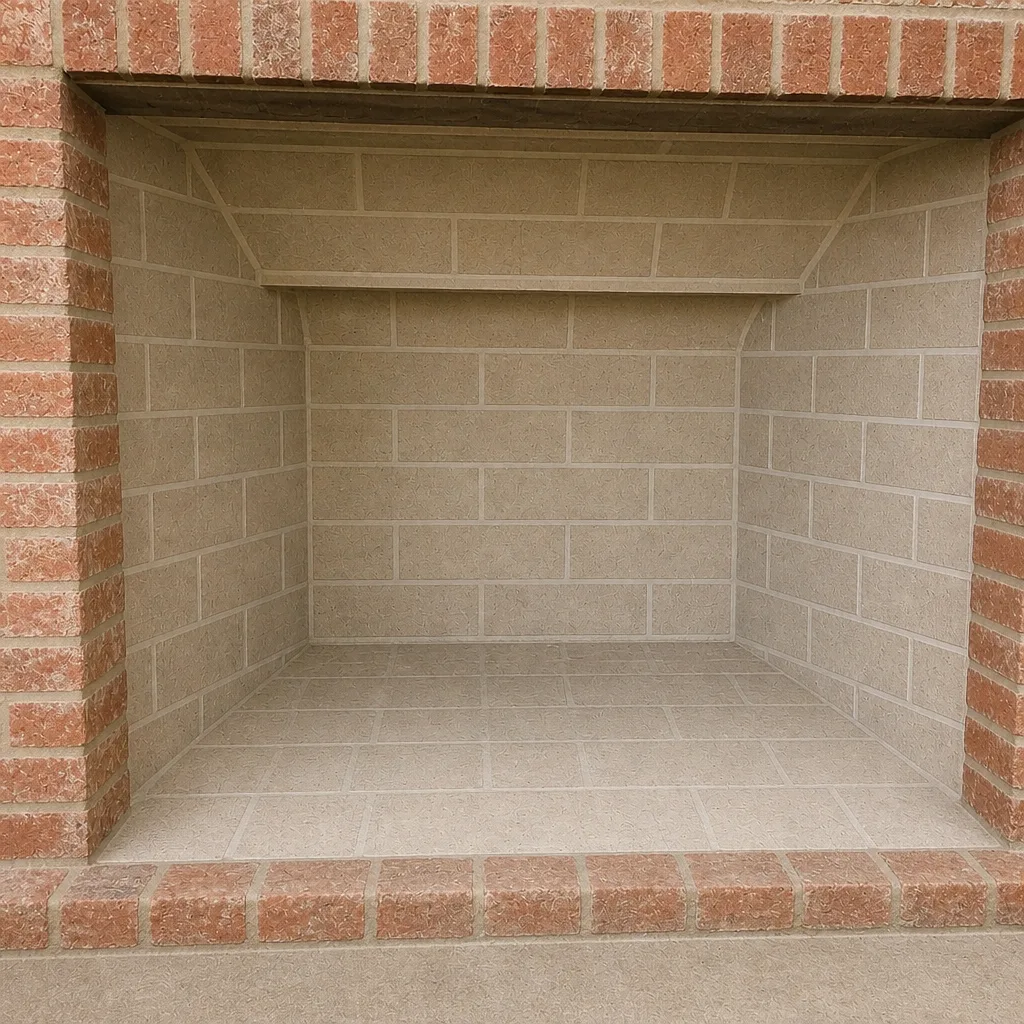
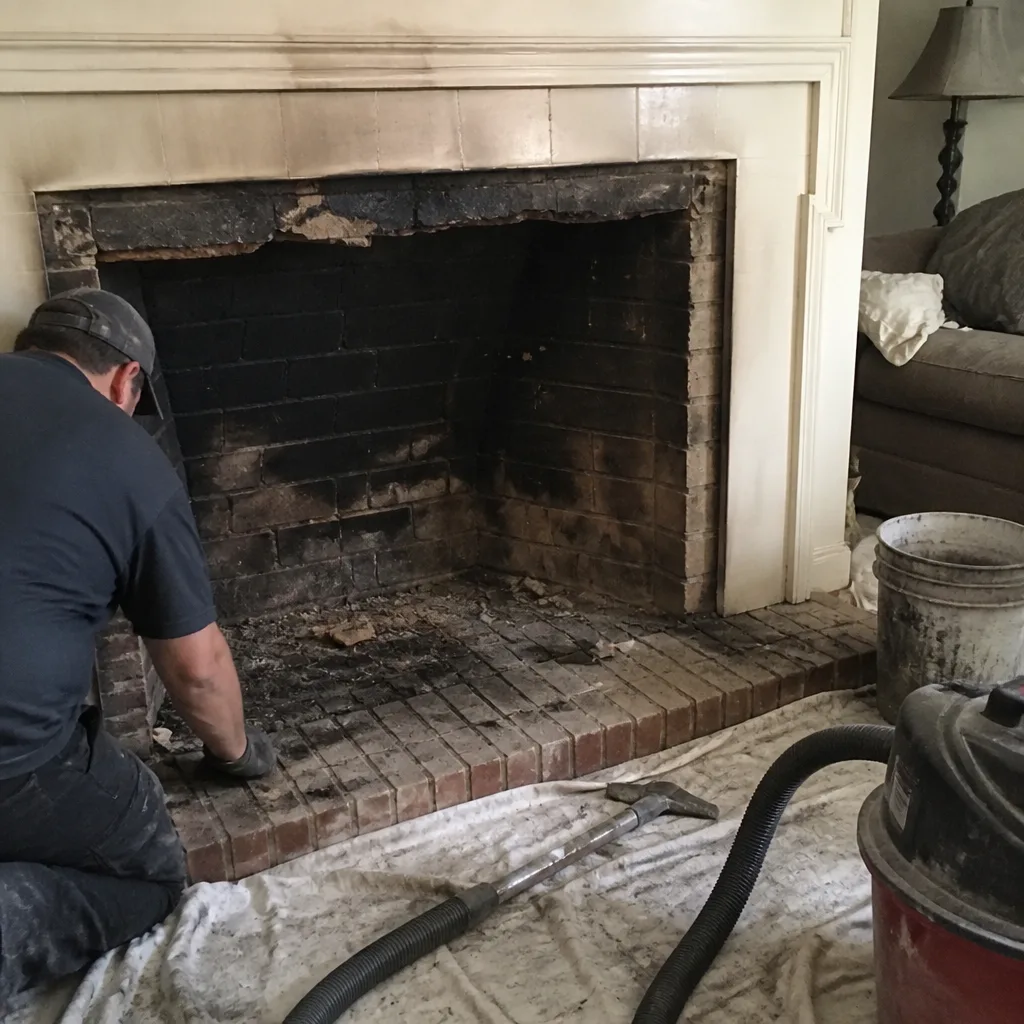
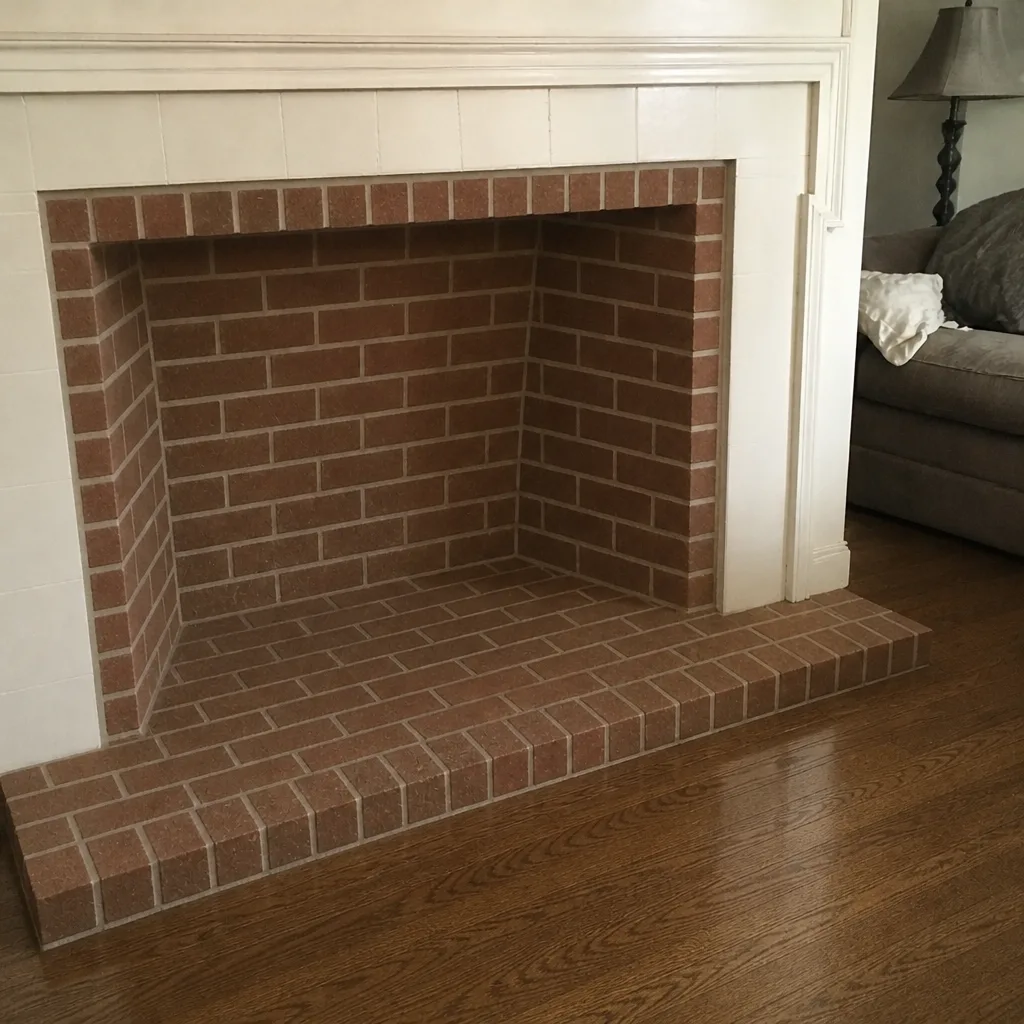
See the difference
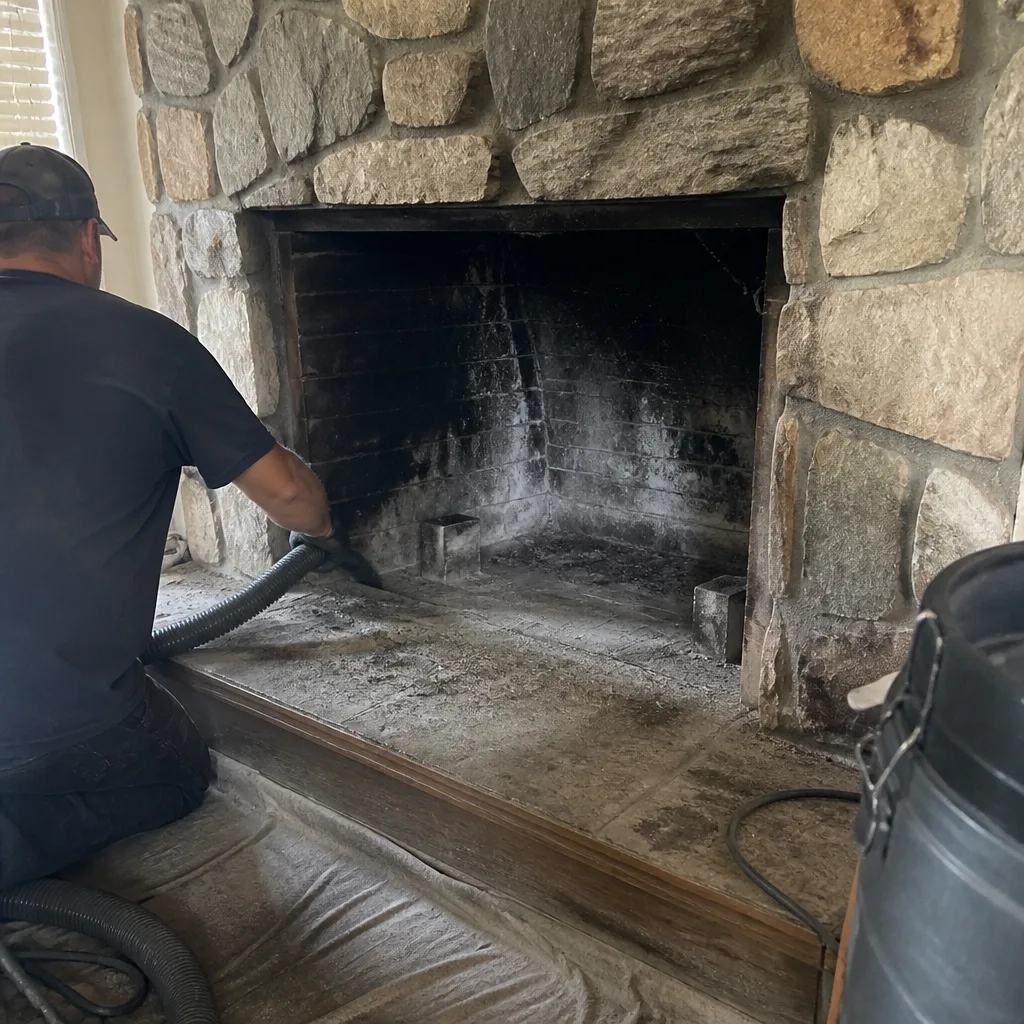 Before
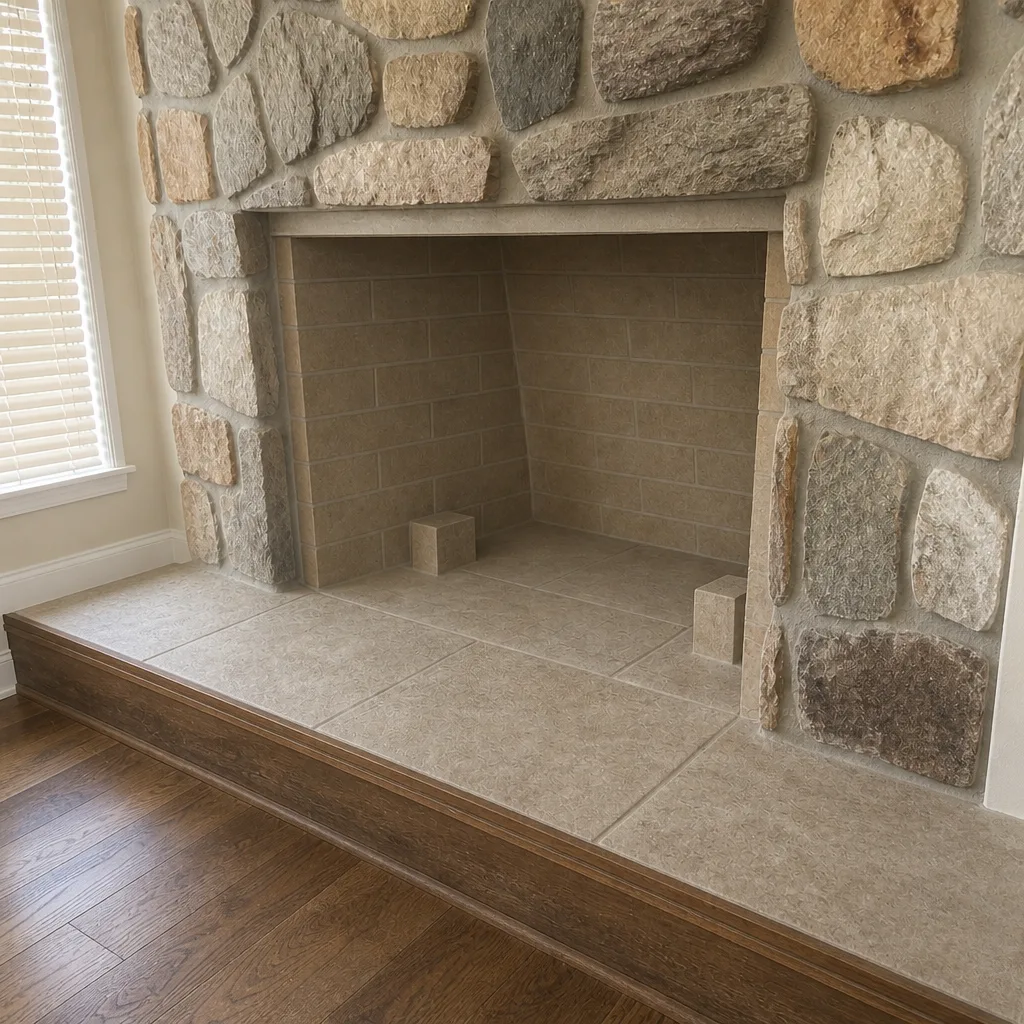 After
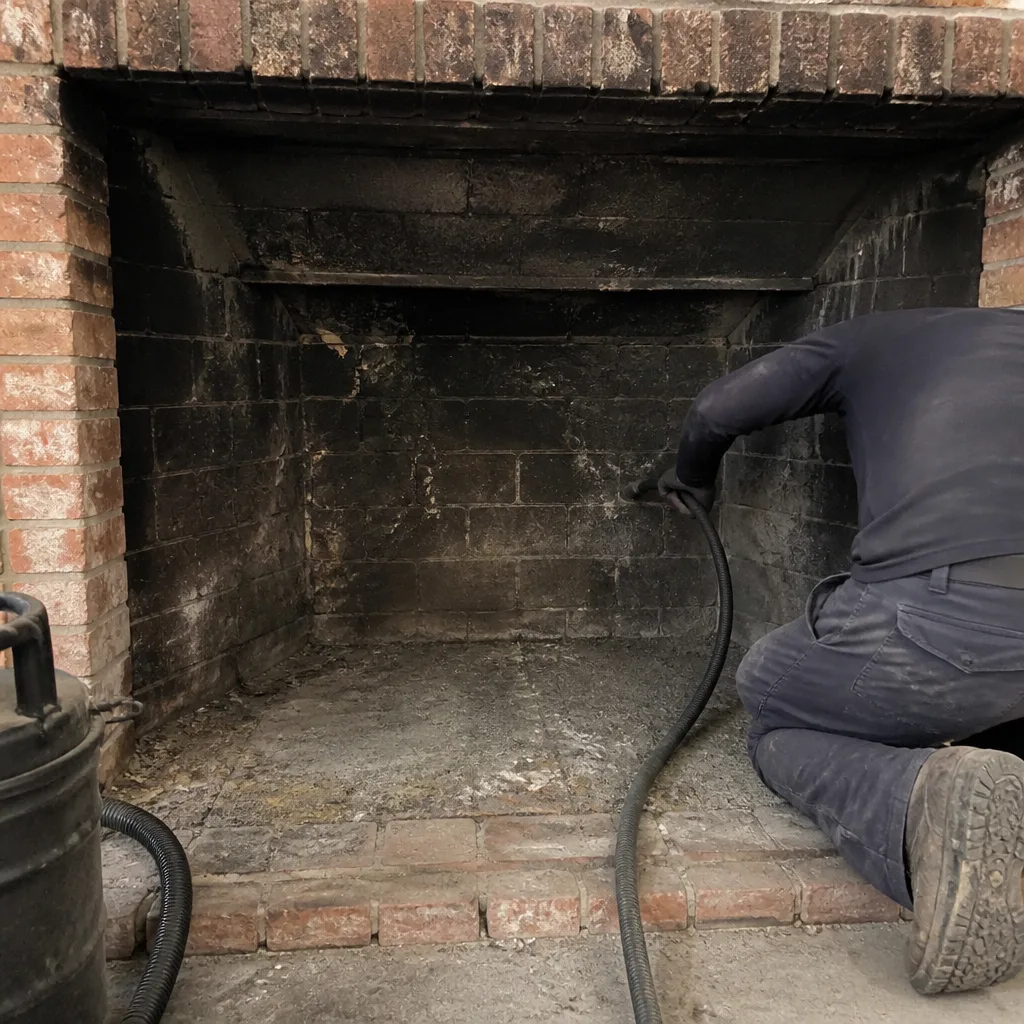 Before
 After
 Before
 After
When to Call a Professional
Schedule a professional in these situations without waiting for the seasonal calendar to dictate it:
- You’re in a new home and don’t have a baseline inspection report.
- Any fail on a homeowner check: cap damage, efflorescence, damper drafts, or interior water tracking.
- Draft problems: smoke entering the room, or a hearth that doesn’t draw properly.
- A gas appliance producing a smell or visible flue staining.
- A wood-burning appliance with significant creosote buildup (glazed surfaces inside the flue).
- Suspected animal or nesting intrusion in the flue.
- A liner that hasn’t been inspected in more than three years.
Chimney Sweep Palm Coast offers free estimates on all chimney work, and the inspection is what comes before any recommendation. Call (877) 471-4123 to book. We answer 24/7. Fast dispatch from 7am to 7pm, Sunday through Friday.
Frequently Asked Questions
Every year at minimum for wood-burning fireplaces, and every 12 to 24 months for gas appliances. Decorative-only fireplaces that never see a fire can stretch inspection to every two to three years, but the spring cap and crown check should happen every year regardless. An annual inspection is the NFPA’s recommendation, and it’s driven by what the inspection finds, not by a fixed sweep schedule. Call (877) 471-4123 for an exact quote, and the estimate is free.
Not necessarily, but you do need an inspection. Gas appliances produce far less creosote than wood, so sweeping is only needed when the inspection shows a reason. What the inspection catches on gas is different: blocked venting, condensate damage, and liner connection problems, all of which are serious safety issues and don’t show up in a sweep alone. Call (877) 471-4123 for an exact quote, and the estimate is free.
A standard sweep typically falls in the lower-to-mid range compared with a full inspection, and the exact price depends on the flue, the appliance, and access. We provide a written estimate before any work is booked, and the estimate sets the final price. There are no service-call fees added on top. Call (877) 471-4123 for an exact quote, and the estimate is free.
It depends on which track you’re on. On gas, skipping inspection risks a blocked vent or a failing connection that lets exhaust into the room, which is a carbon monoxide hazard. On wood, skipping sweeping lets creosote accumulate to a point where it becomes a chimney fire risk. On a decorative-only fireplace, the risk is water damage from a failed cap or crown, which can compromise the chase and the liner over time. None of these are reasons to panic, but they’re reasons to inspect and confirm. Call (877) 471-4123 for an exact quote, and the estimate is free.
You can view the cap and chase from the ground, which catches obvious problems like rusted screen, visible cracking, or efflorescence. You should not climb onto the roof or open the flue to inspect the liner yourself. The ground-level check is useful for knowing when to call, and the professional inspection covers the rest. Call (877) 471-4123 for an exact quote, and the estimate is free.
Annual visual inspection of the liner connections and top plate seal, with a camera inspection every three to five years on gas and occasional-wood tracks. The connection points at the top plate and the appliance collar are where issues appear first, and those get missed by general contractors who don’t work on liners regularly. Call (877) 471-4123 for an exact quote, and the estimate is free.
The Bottom Line
The right chimney maintenance schedule in Palm Coast starts with two questions: what fuel, and how much use. Gas appliances land on an inspection-first track; occasional wood burners add sweeping to a real volume-based schedule; decorative-only fireplaces get a longer cycle but never zero. In every case, the spring cap and crown check should happen annually, regardless of fireplace use, because the off-season is when the deterioration you didn’t see starts. If you’re in a home with an existing liner, the year-one baseline inspection is the most valuable single visit you’ll make, and it sets every recommendation that follows. Inspection comes first, and any recommendation comes with evidence you can see before approving it.
For a qualified chimney sweep and inspection, Chimney Sweep Palm Coast covers the full service loop from inspection through sweeping and repair. Our technicians have up to experience, and we work with professional brands like DuraFlex, HeatShield, Gelco, Famco, Olympia Chimney, and Copperfield because the materials determine the maintenance schedule you’ll actually need. Call (877) 471-4123 for a free estimate. We answer 24/7. Fast dispatch from 7am to 7pm, Sunday through Friday.
Written by the team at Chimney Sweep Palm Coast.