
Last updated November 16, 2026
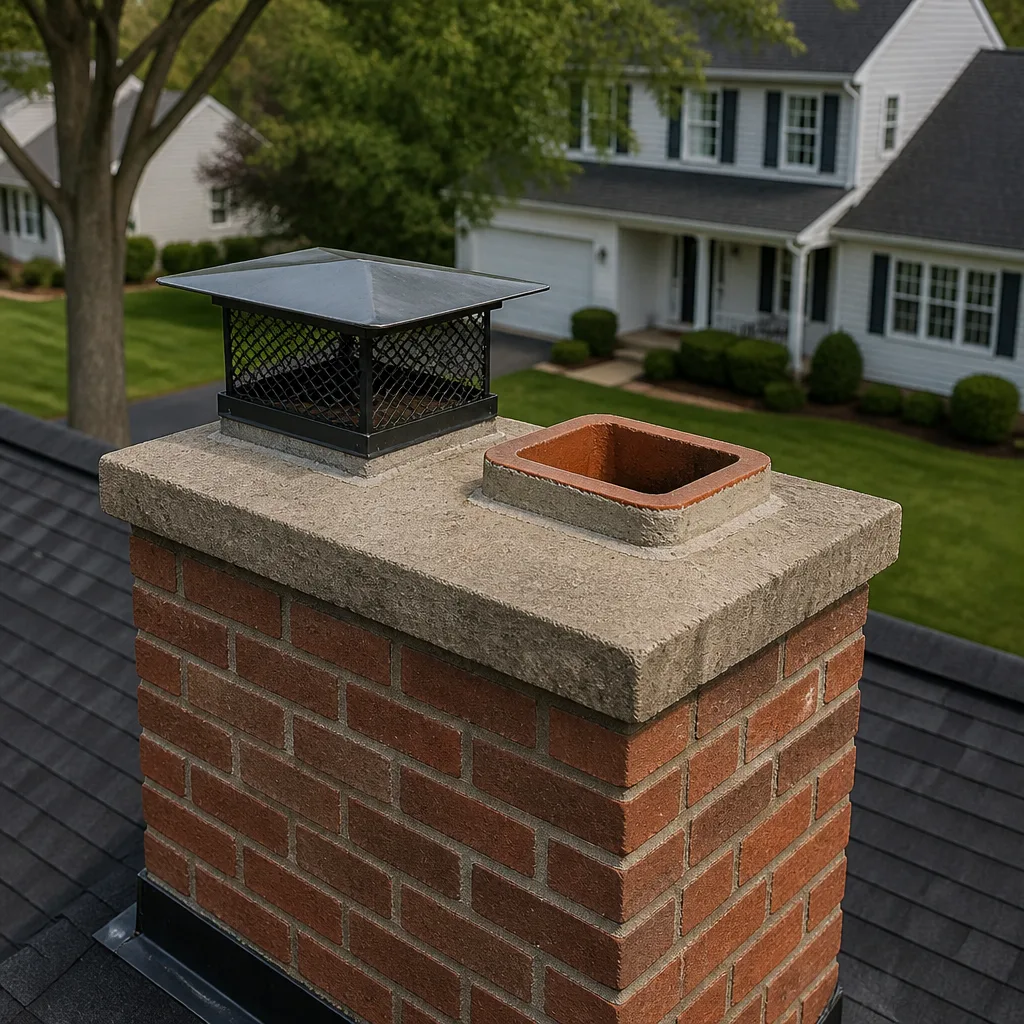 Sweep & inspection
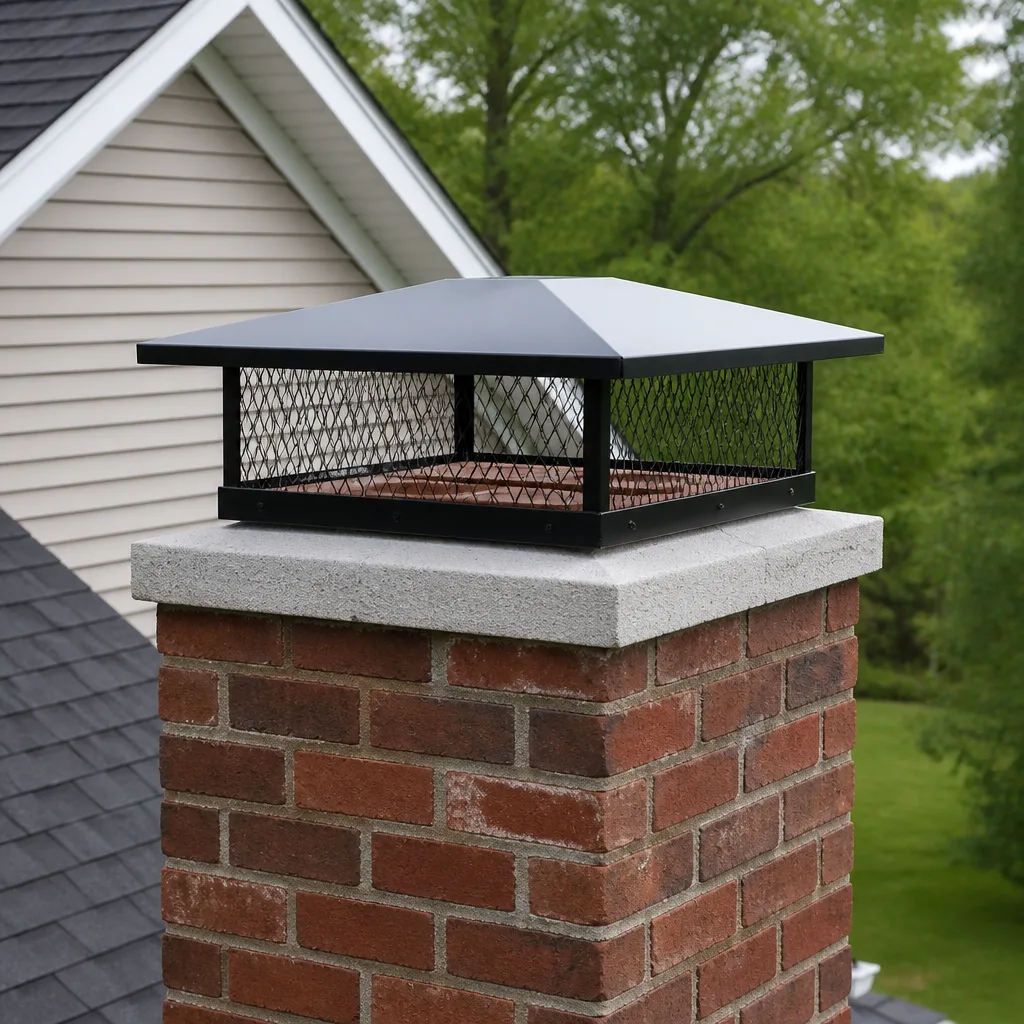 Caps & crowns
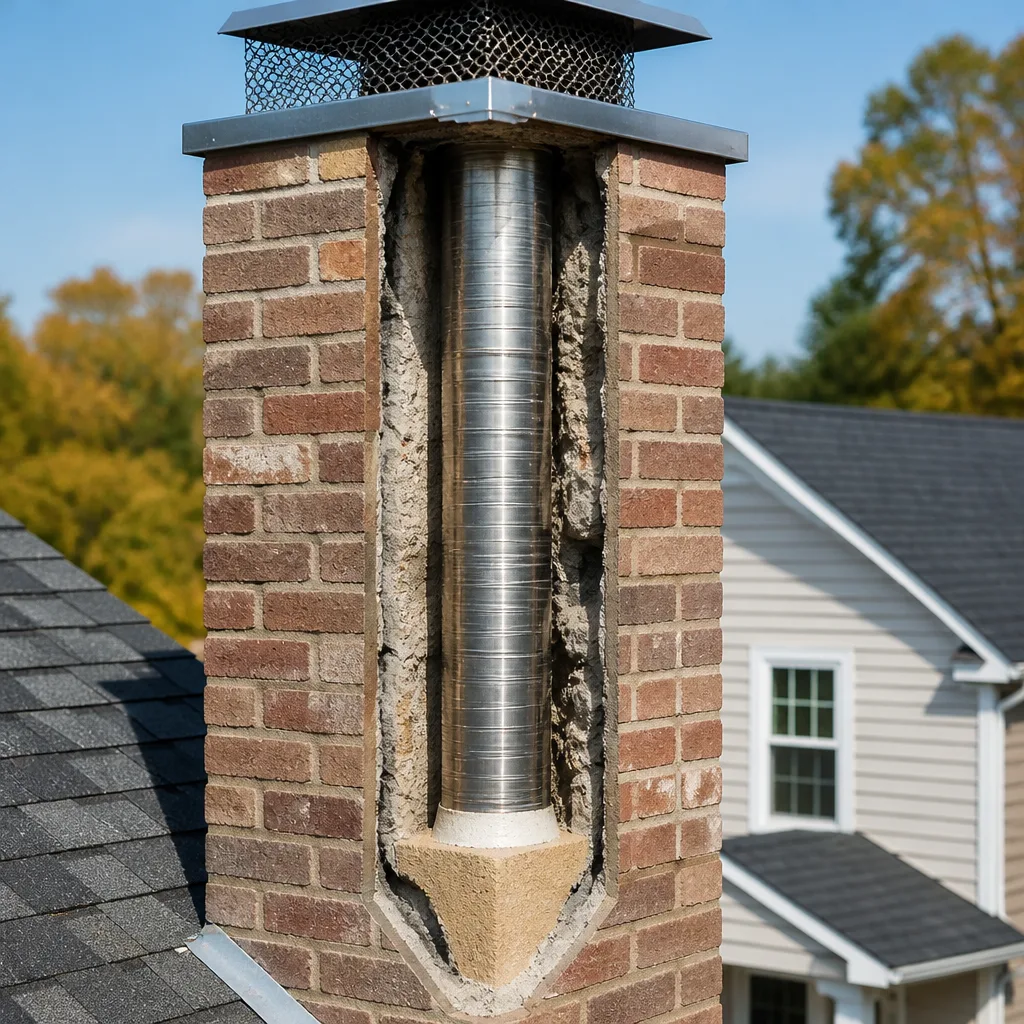 Flue relining
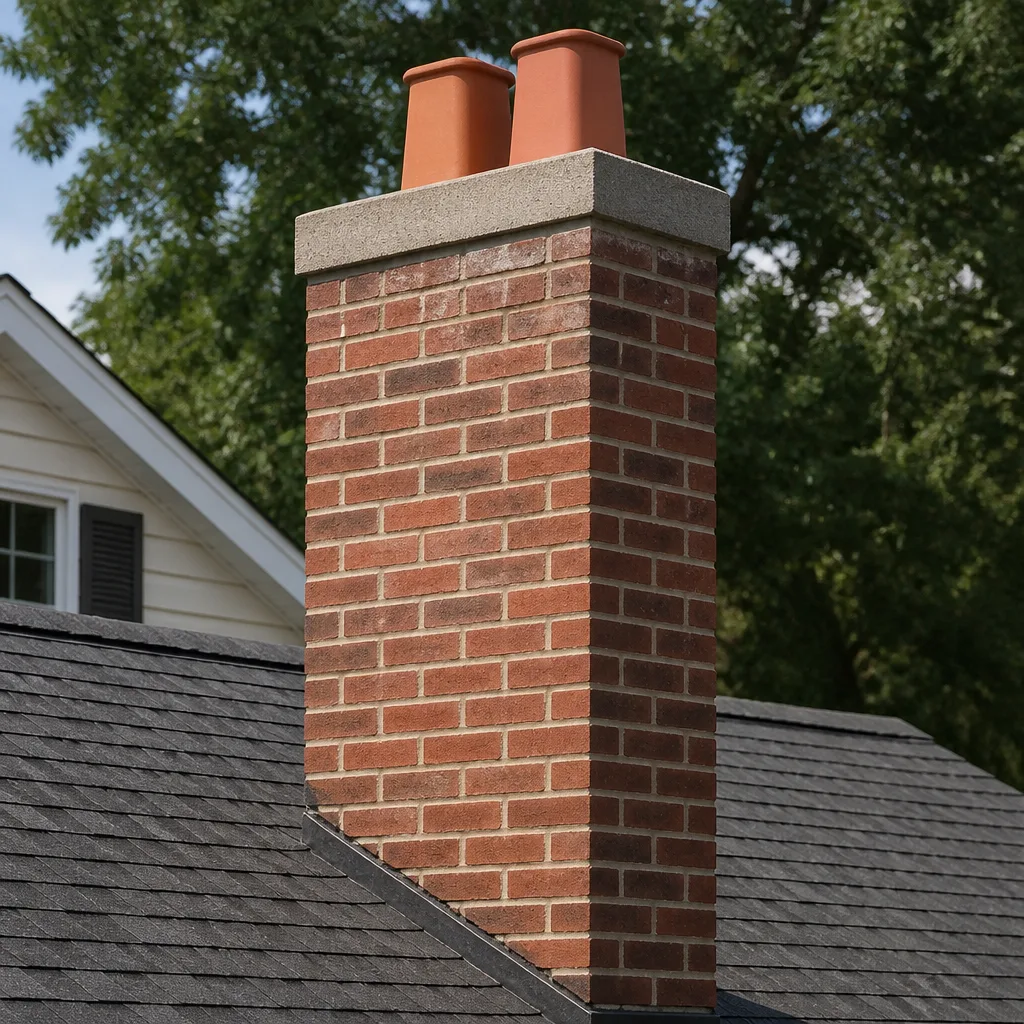 Masonry repair
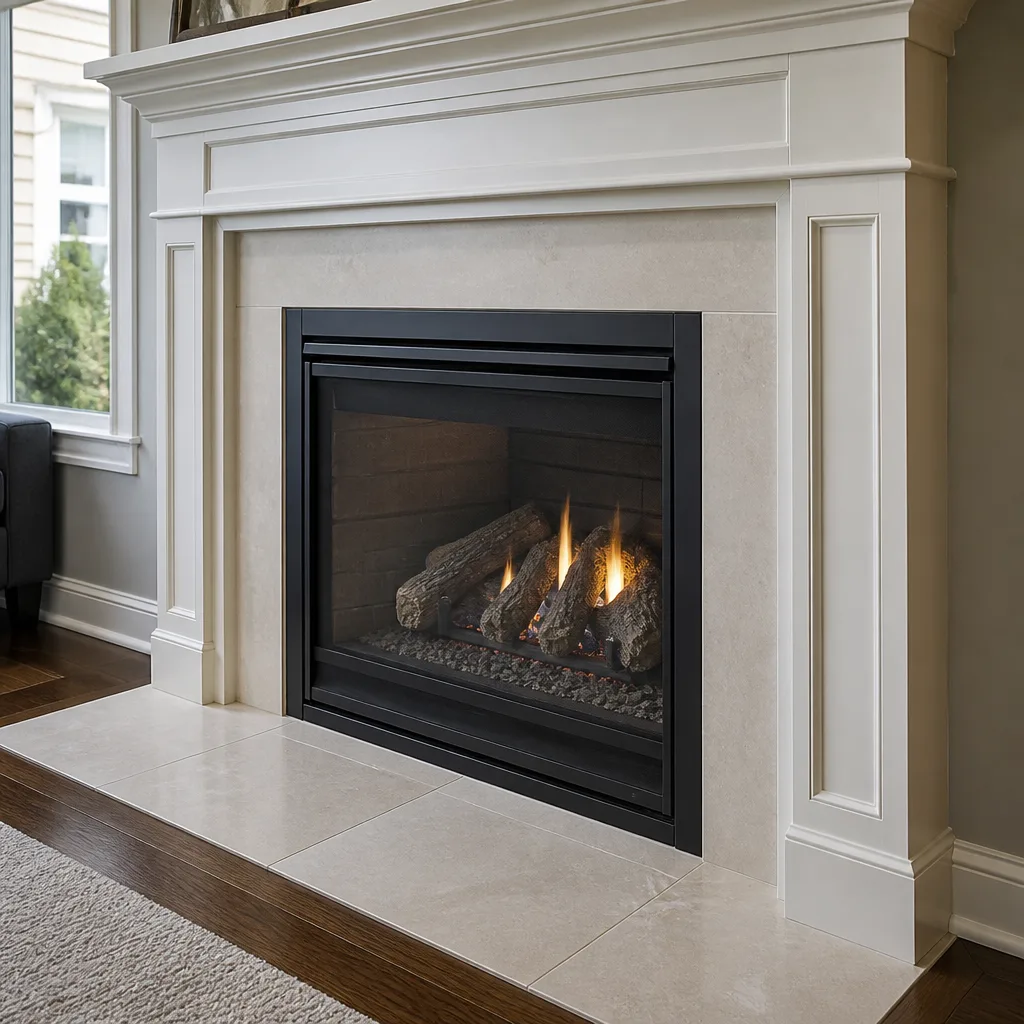 Gas fireplace service
Level 1 sweep and inspection to the NFPA 211 annual standard - flue, crown, cap, and flashing checked and photographed
Chimney sweep logs do not sweep chimneys. They loosen some creosote - which then falls where a brush and vacuum still have to collect it.
Choosing the Right Chimney Cleaning Brand: A Buyer’s Guide for Palm Coast
When a contractor replaces your chimney cap, there are two versions of that job. One uses a Gelco or Famco cap that’s built for weather exposure and comes with manufacturer support behind it. The other uses an unbranded stamped-metal cap pulled from a wholesale bin. On the invoice, the two lines look almost identical: “chimney cap installed.” Three years later, one is still doing its job and the other has rusted through, warped, or was never sized right to begin with. Most homeowners never learn which one they got until it fails. This guide changes that. You’ll learn what the professional-grade chimney brands actually do, how to read an invoice for brand specificity, and how to ask the questions that separate a specialist from a sweep who cleans and refers out. That knowledge matters everywhere, and it matters especially in Palm Coast, where salt-laden air, humidity, and a mix of newer and aging masonry chimneys put real demands on every component.
Quick Answer
The right chimney cleaning and repair brands are the ones certified specialists actually install: DuraFlex for flexible stainless liner systems, HeatShield for liner resurfacing, Gelco and Famco for caps and covers, and Olympia Chimney and Copperfield for specialty components. A legitimate contractor names these products on the written estimate. A discount sweep writes “cap installed” and leaves you guessing. Ask for brand names before you book, and treat brand specificity as your first quality filter in Palm Coast.
Styles & brands we work with
- Sweep & inspection
- Caps & crowns
- Flue relining
- Masonry repair
- Gas fireplace service
Table of Contents
- Why Chimney Brands Matter More Than the Cleaning Itself
- DuraFlex Liner Systems and Palm Coast’s Irregular Flues
- HeatShield Resurfacing vs. Full Liner Replacement
- Gelco vs. Famco Caps: What Actually Differs
- Olympia Chimney and Copperfield: Why the Supply Network Matters
- How to Read a Chimney Invoice for Brand Specificity
- Questions to Ask Before You Book Any Sweep
- Full-Service Specialist vs. Clean-and-Refer Sweep
Why Chimney Brands Matter More Than the Cleaning Itself
Cleaning a chimney is a mechanical task. Almost anyone with brushes and a shop vacuum can push soot around. The material decisions come afterward, in what gets installed, sealed, and capped. That’s where the quality gap opens up, and it’s where most homeowners have no visibility.
An off-brand liner section may look like stainless steel. It might even pass a magnet test. What it won’t reliably do is hold up to the thermal cycling and acidic condensate that wood smoke and gas exhaust produce. Manufacturers who serve the chimney trade publish ratings, thicknesses, and warranty terms for their products. Unbranded materials publish nothing, which means there’s nothing to hold anyone to when they fail.
In our experience working with homeowners across Palm Coast, the failure pattern is consistent: a cheap component installed quietly, a problem that shows up years later, and no paper trail connecting the product to anyone who will stand behind it. Brand specificity is the fix. When a contractor names DuraFlex, HeatShield, Gelco, Famco, or Olympia Chimney, they’re choosing a product with published specs and real manufacturer support. Those are also the brands we use ourselves, because they’re what certified chimney professionals rely on.
There’s a second reason brands matter: components have to match. A cap that’s sized wrong for a flue creates draft problems. A liner system that doesn’t pair correctly with the appliance can void warranties. The uniform brand language across a job is what tells you the contractor is thinking about the system as a whole, not installing whatever was cheapest that week.
DuraFlex Liner Systems and Palm Coast’s Irregular Flues
DuraFlex is a flexible stainless steel liner system, and its flexibility is the entire point. Rigid liners come in fixed sections that require a straight, uniform flue. Older masonry chimneys rarely cooperate. Flues in older Palm Coast homes and older stock throughout the region often have offsets, slight bends, and irregular cross-sections that were formed by hand-laid brick rather than cast with modern precision.
A rigid liner forced into an irregular flue either won’t fit or fits with gaps that compromise the seal. A flexible liner can conform to the flue’s actual shape without crushing or crimping its internal diameter, which preserves the draft the appliance needs.
Why This Matters for Older Masonry in Palm Coast
Palm Coast has a mix of construction ages, from newer builds to older homes and structures that predate current standards. Irregular flue geometry is far more common in that older stock. A sweep who only installs rigid liners will either refuse the job or install something that doesn’t properly fit. A specialist who works with DuraFlex has an option that fits the flue the house actually has.
What a DuraFlex Installation Involves
- Inspect the existing flue with a camera to map its geometry and condition.
- Confirm the appliance type and required flue size for the new liner.
- Measure and select the appropriate DuraFlex liner configuration.
- Insulate the liner where required for performance and safety.
- Install the liner with proper connections at both the appliance end and the top.
- Verify draft and seal, then document the installation in a photo report.
Every one of those steps depends on an inspection done first. In Palm Coast, where humid air accelerates deterioration in masonry that’s already aged, we’re firm that no liner decision should be made before camera inspection makes the current state visible. That’s the principle behind Palm Coast service calls: inspect first, recommend second.
HeatShield Resurfacing vs. Full Liner Replacement
HeatShield is a resurfacing system for chimney liners, and it’s one of the most misunderstood products in the trade. The question homeowners ask most often is simple: do I need a whole new liner, or can this existing one be restored? HeatShield is the answer for a specific range of cases, and a full replacement is the answer for others. A contractor who only pushes one of those answers isn’t diagnosing anything.
What HeatShield Actually Does
HeatShield applies a specialized refractory mortar product to the interior surface of a masonry liner, restoring a smooth, sealed flue wall without removing and replacing the liner. It adheres to the existing clay tile or masonry and cures into a hard, heat-resistant surface. Its purpose is to seal cracks and gaps that would otherwise allow creosote, moisture, or exhaust gases to escape into the surrounding structure.
When HeatShield Is the Right Call
- The liner has surface cracking, spalling, or joint gaps but the structural integrity of the flue is otherwise sound.
- The flue geometry is irregular and doesn’t justify the cost and disruption of a full liner replacement.
- The homeowner wants to preserve an existing chimney assembly rather than replace it.
- The inspection confirms no missing tile sections or structural failure points.
When It Isn’t
HeatShield cannot fix missing liner sections, badly displaced tiles, or a flue that has lost structural integrity. In those cases the only sound repair is a new liner. The way to know the difference is a camera inspection. Nothing we recommend on a Palm Coast chimney goes forward without that evidence, and you should expect to see it yourself before approving anything. A contractor who recommends HeatShield or a full replacement without showing you the interior of the flue is asking you to trust a recommendation you have no way to verify.
That concern is why HeatShield is one of the materials we’re qualified to use. It’s a repair method that extends chimney life without full liner replacement when the flue allows it. When it doesn’t, we say so and explain why. That decision should never come down to what a contractor prefers to sell.
Gelco vs. Famco Caps: What Actually Differs
Chimney caps often get treated as an afterthought. They aren’t. A cap keeps out rain, animals, and debris, and it controls how the flue vents. A wrong cap can create backdraft, trap moisture, or rust through within a few seasons. In Palm Coast, where humidity is consistent and metal components face real exposure, the difference between a pro-grade cap and a cheap one shows up quickly.
Gelco Caps
Gelco caps are stainless steel chimney caps with welded construction and a reputation among chimney professionals for durability and proper sizing. They’re built for repeated weather exposure, and their construction keeps seams tight rather than relying on rivets or stamped tabs that loosen over time.
Famco Caps
Famco is another long-standing name in chimney caps and covers, with a wide range of styles and sizes across single-flue and multi-flue applications. Famco products are specified by professionals partly because the sizing options are varied enough to match the actual flue rather than forcing a near-fit.
The Sizing Question
The most common cap failure we see isn’t material quality. It’s sizing. A cap that’s too small doesn’t cover the flue, and one that’s too large creates a draft issue. Correct sizing depends on measuring the actual flue, not eyeballing it. A Gelco or Famco cap installed correctly will be built around your specific flue dimensions. A generic bin cap gets “made to fit” by bending it, which is where most of the corrosion and sealing problems start.
We install Gelco and Famco caps because they’re the caps chimney professionals specify when weatherproofing. They address both protection and draft, rather than just closing the hole at the top.
Olympia Chimney and Copperfield: Why the Supply Network Matters
Chimney components are not commodity parts. Every flue is different, and the parts you need often depend on the appliance, the liner, and the cap being installed together. That’s why supply network access matters more than most homeowners realize.
Olympia Chimney and Copperfield are two of the most comprehensive supply networks in the trade. Between them, they cover a broad range of categories: liner components, caps, connectors, dampers, and specialty parts that a general hardware store wouldn’t recognize. When a contractor sources from that network, uncommon components aren’t an obstacle. When they don’t, the job either gets a “close enough” substitution or gets delayed while someone hunts for a part.
What Brand Consistency Looks Like on a Real Job
- Inspection identifies the liner, cap, and connector needs together.
- Components are specified with brand and model, not just a category.
- The parts arrive matched to the flue and appliance measurements.
- Installation follows manufacturer guidance for each component.
- The written report documents what was installed, including brands.
That last step is the one most homeowners never see, and it’s the one that protects them. A job documented with brands is a job you can reference later if anything needs warranty service. A job documented as “repair completed” leaves you with no trail. We work with Olympia Chimney and Copperfield because sourcing from recognized distributors is what makes that documentation possible. It’s also why the full loop, from chimney sweep to repair, runs through one specialist rather than getting split across multiple contractors who may not know what the previous one installed.
How to Read a Chimney Invoice for Brand Specificity
Your invoice is your best evidence of what actually went into your chimney. It’s also the place where the gap between a specialist and a discount sweep shows up clearest. Here’s what to look for.
Signs the Invoice Is Specific Enough
- Brand names appear for liners, caps, and connectors, not just product categories.
- Model or part numbers are listed where the product uses them.
- Measurements are recorded for caps and liner sections.
- The inspection findings that led to the recommendation are documented.
- Photo evidence of pre-repair and post-repair condition is attached or referenced.
Signs It Isn’t
- “Chimney cap installed” with no brand or model.
- “Liner replaced” with no material, thickness, or manufacturer.
- No photos and no repair justification beyond “it needed it.”
- Nothing documented at all for what should be routine work.
In our experience, homeowners who take five minutes to read an invoice for brand names catch problems that would otherwise take years to surface. You don’t need to be a chimney expert to ask “what brand is this cap?” You just need to ask the question before the work is done, and then check that the answer is on paper. If the answer for a liner job is an unnamed product, ask why. If the answer for a cap is “we use whatever’s on hand,” ask what brand and model and whether it’s sized for your flue. The conversation itself is a filter.
Questions to Ask Before You Book Any Sweep
Any homeowner can sort a qualified specialist from a generalist in about five questions. These are the ones that matter most, and they work anywhere, including Palm Coast.
- What brands do you install for liners, caps, and connectors? A specialist names them. A discount sweep deflects or gives a category instead of a brand.
- Will I see a camera inspection and a photo report before you recommend anything? The answer should be yes, and the evidence should be part of the written recommendation.
- What’s the difference between HeatShield resurfacing and a full liner replacement, and which fits my chimney? A specialist can explain both and justify the choice based on your inspection.
- Is the estimate written, and does it list brands and part numbers? The written estimate sets the price. If it’s verbal, it isn’t an estimate.
- Who does the repair if it’s needed? If the sweep only cleans and refers out, you’re now coordinating two contractors and neither has full responsibility for the system.
None of those questions require technical knowledge. They’re designed to test whether the contractor treats the chimney as a system, with materials that matter, or as a box to be checked. The pattern is the same in Palm Coast as anywhere else: the sweeps worth hiring want to answer these, because the answers are how they stand apart from the ones who don’t.
Full-Service Specialist vs. Clean-and-Refer Sweep
Chimney sweeping, chimney inspection, and chimney repair are separate capabilities that have to work together. A clean-only sweep handles the first, maybe refers the second, and usually outsources the third. That matters when the repair comes back to you.
When one contractor handles the full loop, the inspection findings lead directly to the sweep, and the sweep findings lead directly to the repair. The person who recommended the cap is the person who installed it, and the paper trail connects the two. When the sweep and the repair are different contractors, the second one often works from an incomplete picture, and you’re the one bridging the gap.
There’s a second gap: capability. A clean-only sweep often refers repairs out to a general handyman or a liner contractor who has one method available. The recommendation narrows to whatever that method can do. A specialist who works with DuraFlex, HeatShield, Gelco, Famco, Olympia Chimney, and Copperfield has multiple options and can match the repair to the flue instead of the reverse. That flexibility is why we cover the complete inspection-to-repair cycle. It reduces the coordination burden on homeowners, and it keeps workmanship consistent across every phase of a job. It also means that when the answer is “this can safely wait until before next burn season,” you hear that from the same person who would do the work, without the pressure of a referral going cold.
If you’re looking for a full-service chimney specialist in Palm Coast, that’s the model to look for: one company, three services, brands named on the written estimate. For a starting point, this is what Chimney Sweep Palm Coast is built around.
Common Mistakes to Avoid
- Accepting “cap installed” without a brand name. It’s the single most common gap in a chimney invoice, and it means you have no way to verify what you got. Ask for the brand and model before work starts, and confirm it appears on the estimate.
- Approving liner work without seeing the camera inspection. A recommendation is only as good as the evidence under it, and you should see the interior of your own flue before approving HeatShield, a DuraFlex installation, or anything else. A contractor who won’t show you the footage is asking for blind trust.
- Assuming HeatShield and full liner replacement are interchangeable. They solve different problems. HeatShield restores a sound liner with surface deterioration; a full liner is needed when the existing assembly has lost structural integrity. Ask which case yours is and why.
- Letting a general handyman install a chimney cap. Chimney caps have to be sized correctly for the flue and matched to draft requirements. A near-fit from a big-box store is how most draft and corrosion complaints start in Palm Coast homes.
- Treating the written estimate as optional. The written estimate sets the price, and it’s the document that protects you if anything about the job changes. Verbal agreements and “we’ll work it out” are the setup for surprise charges later.
- Splitting inspection, sweep, and repair across three contractors. Coordination burden falls on you, and each contractor works from a partial view of the system. One specialist with the full loop keeps the work consistent.
- Ignoring the brand on a “close enough” substitution. If the part you approved isn’t the part installed, the only person who can raise that is you. Compare the brands on the estimate with the brands on the final invoice.
See the difference
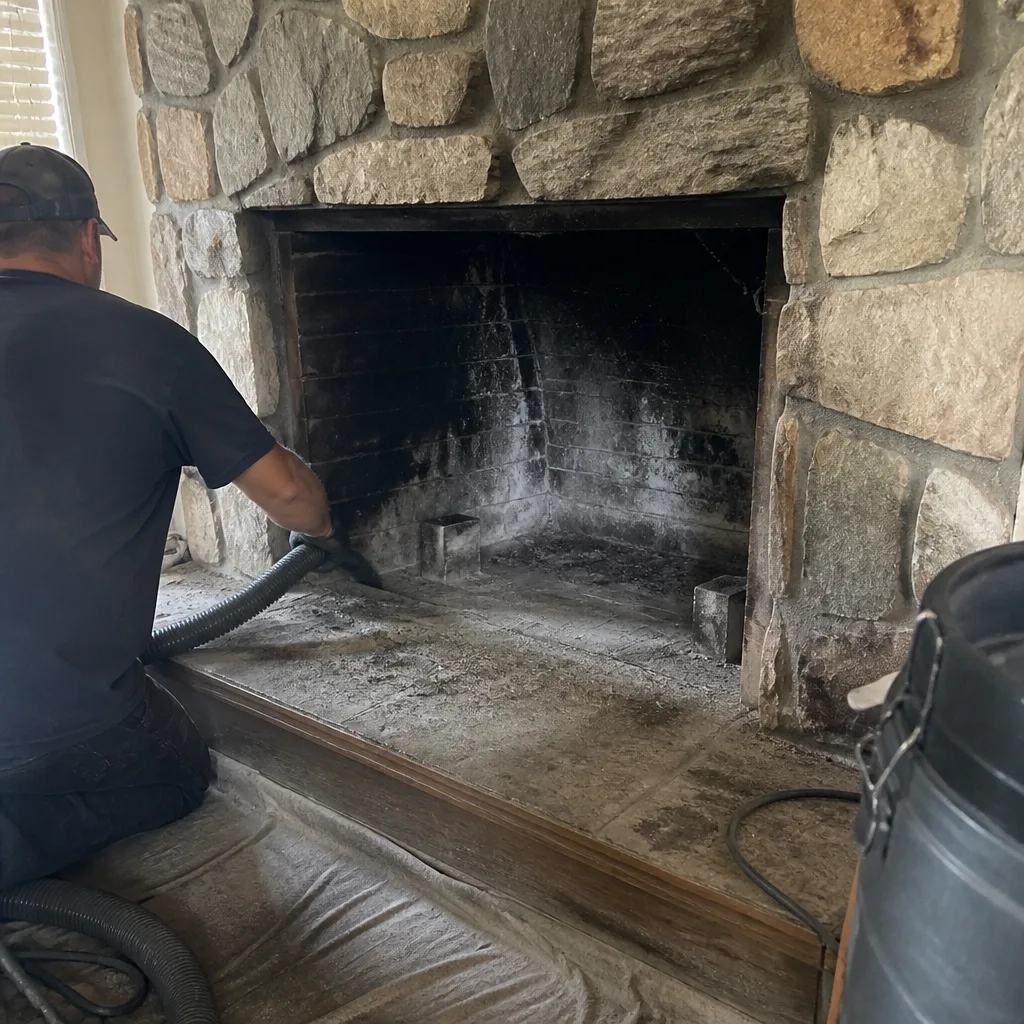 Before
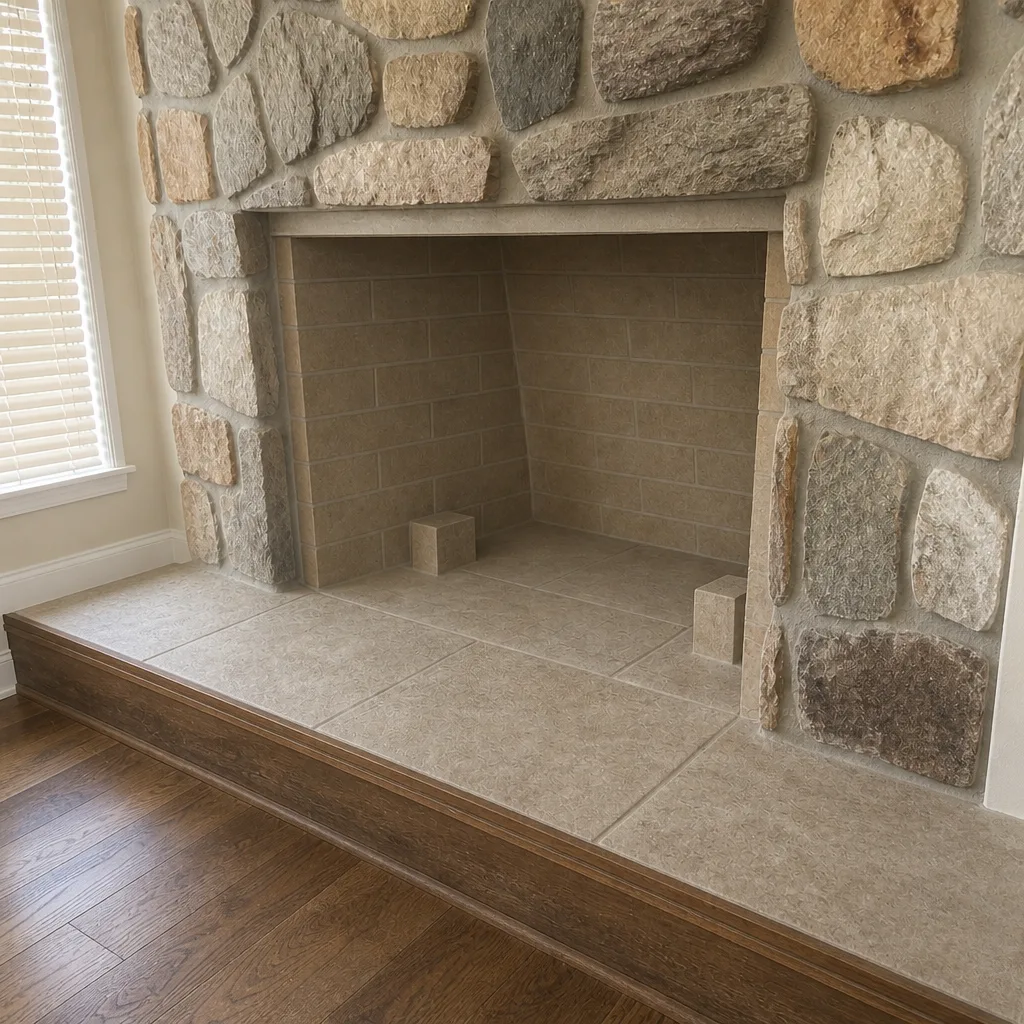 After
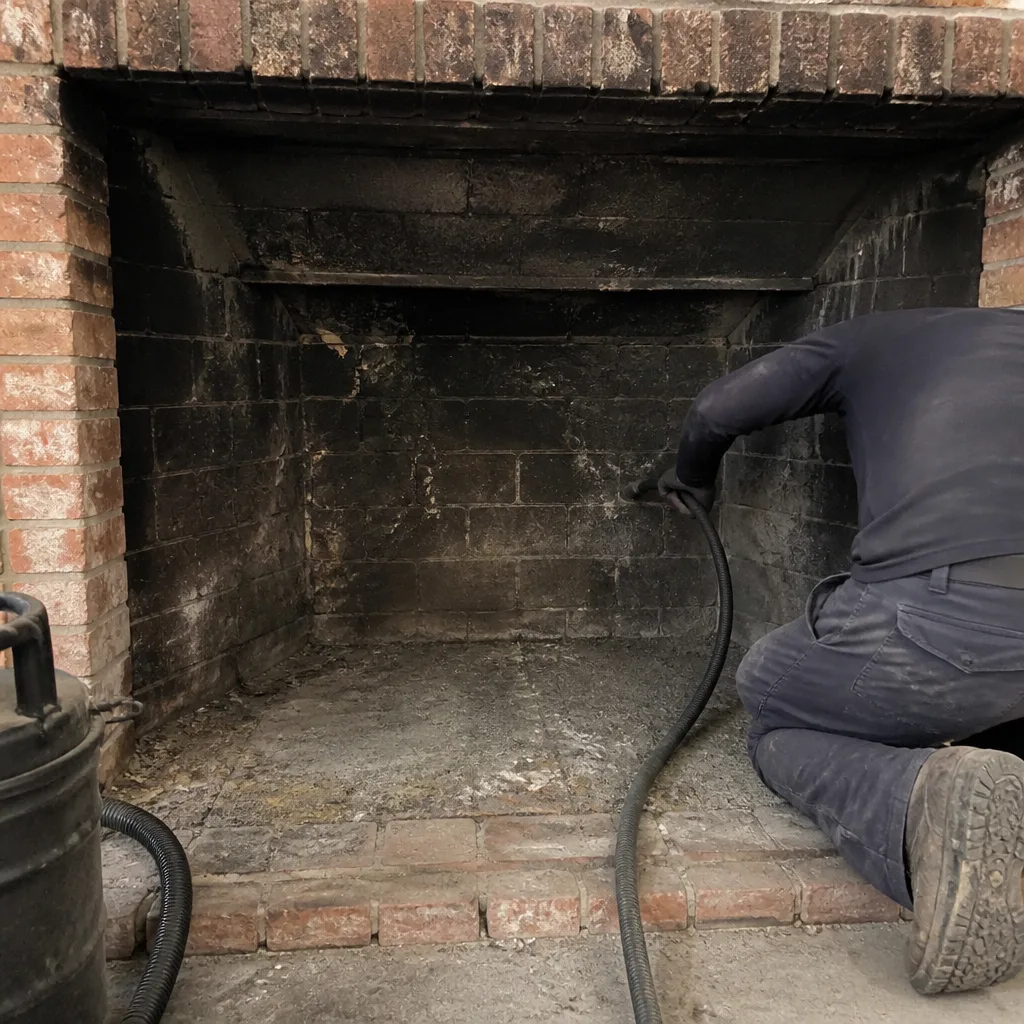 Before
 After
 Before
 After
When to Call a Professional
Some chimney work is routine maintenance. Some of it needs a trained specialist. The line between the two is clearest in these situations: your fireplace or wood insert has had a full season of use and hasn’t been swept; you notice smoke backing into the room, a draft that won’t pull, or a smell from the firebox when the fireplace is off; you see staining on the ceiling or exterior near the chimney; your liner or cap is clearly damaged, rusted, or loose; you’ve moved into a Palm Coast home and don’t know the last time the chimney was inspected; or you’re about to install a wood insert or connect a new appliance. In every one of these, the right first step is an inspection, not a guess about what’s wrong. The Firebox and liner are not places to trial-and-error. Chimney Sweep Palm Coast offers free estimates in Palm Coast. Call (877) 471-4123. We answer 24/7, with fast dispatch from 7am to 7pm, Sunday through Friday.
Frequently Asked Questions
The professional-grade brands certified chimney specialists rely on are DuraFlex for flexible liner systems, HeatShield for liner resurfacing, Gelco and Famco for caps, and Olympia Chimney and Copperfield for specialty components. Those names show up on a legitimate contractor’s written estimate. If they don’t, ask why. Call (877) 471-4123 for an exact quote; estimates are free.
It depends on the condition of your existing liner, which is why the answer has to come from a camera inspection. HeatShield is right when the liner has surface cracking or joint gaps but is structurally sound. A full liner is right when sections are missing or the assembly has lost integrity. Nothing should be recommended without evidence you can see, and often the work can safely wait until before the next burn season. Call (877) 471-4123 for an exact quote; estimates are free.
A correctly sized cap is measured to your actual flue and appears on the estimate with brand, model, and dimensions. Gelco and Famco both offer sizing ranges that make a proper fit possible. If a contractor “makes it fit” by bending a generic cap, sizing isn’t the priority. Call (877) 471-4123 for an exact quote; estimates are free.
Because the manufacturing behind it is different. Gelco and Famco caps are built with welded construction and sizing options designed for the chimney trade, and they come with manufacturer support if something fails. A generic cap from a wholesale bin has no spec sheet, no sizing standard, and no one to call if it rusts through. Call (877) 471-4123 for an exact quote; estimates are free.
Most chimneys need sweeping roughly once a year during regular use, though the right interval depends on how much you burn and what you burn. A wood insert used heavily through the cooler months may need more frequent attention; a gas appliance less. The inspection tells you when the current layer of creosote has reached the point where a sweep is due. Call (877) 471-4123 for an exact quote; estimates are free.
Creosote builds up in the flue, and that buildup is the fuel behind a chimney fire. Carbon monoxide risk also climbs when a flue is blocked, damaged, or improperly drafting. Skipping maintenance doesn’t cause a problem overnight, which is exactly why it’s easy to keep postponing. The inspection is how you find out where your chimney stands. Call (877) 471-4123 for an exact quote; estimates are free.
The Bottom Line
Chimney brands aren’t marketing details. They’re the difference between materials with published specs and manufacturer support and materials with nothing behind them. DuraFlex fits the irregular flues that older Palm Coast chimneys often have. HeatShield restores a sound liner that doesn’t need replacing, and a specialist should always be able to explain which repair fits your chimney and why. Gelco and Famco caps are sized to the actual flue. Olympia Chimney and Copperfield are the supply networks that make specialty components accessible. And the written estimate is where brand specificity should show up first. Ask before you book. Check the invoice after. That two-step habit catches nearly every problem this guide describes.
If you’d like a specialist to walk through your chimney with you, name the brands in the estimate, and show you the inspection evidence before recommending anything, we’d like to hear from you. Call (877) 471-4123 for a free estimate. We answer 24/7. Fast dispatch from 7am to 7pm, Sunday through Friday.
Written by the team at Chimney Sweep Palm Coast.