
Last updated November 16, 2026
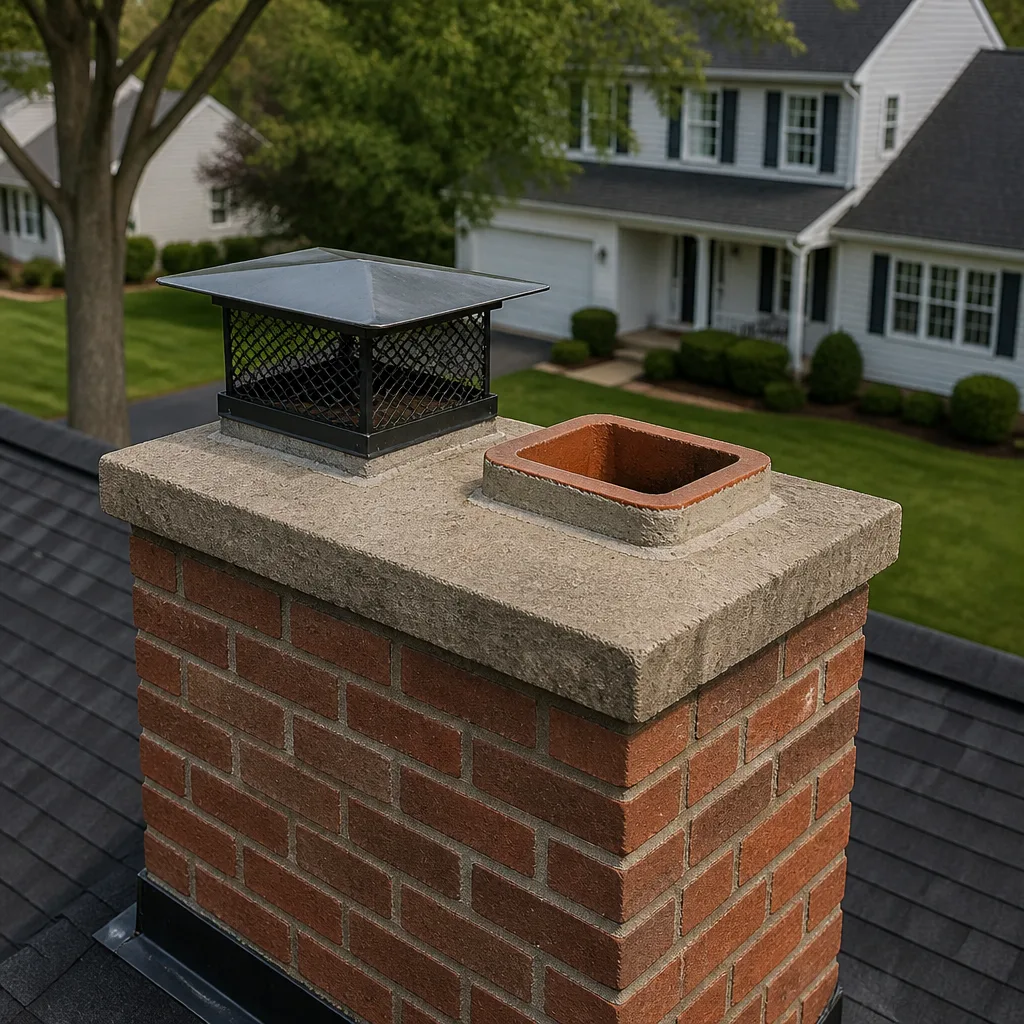 Sweep & inspection
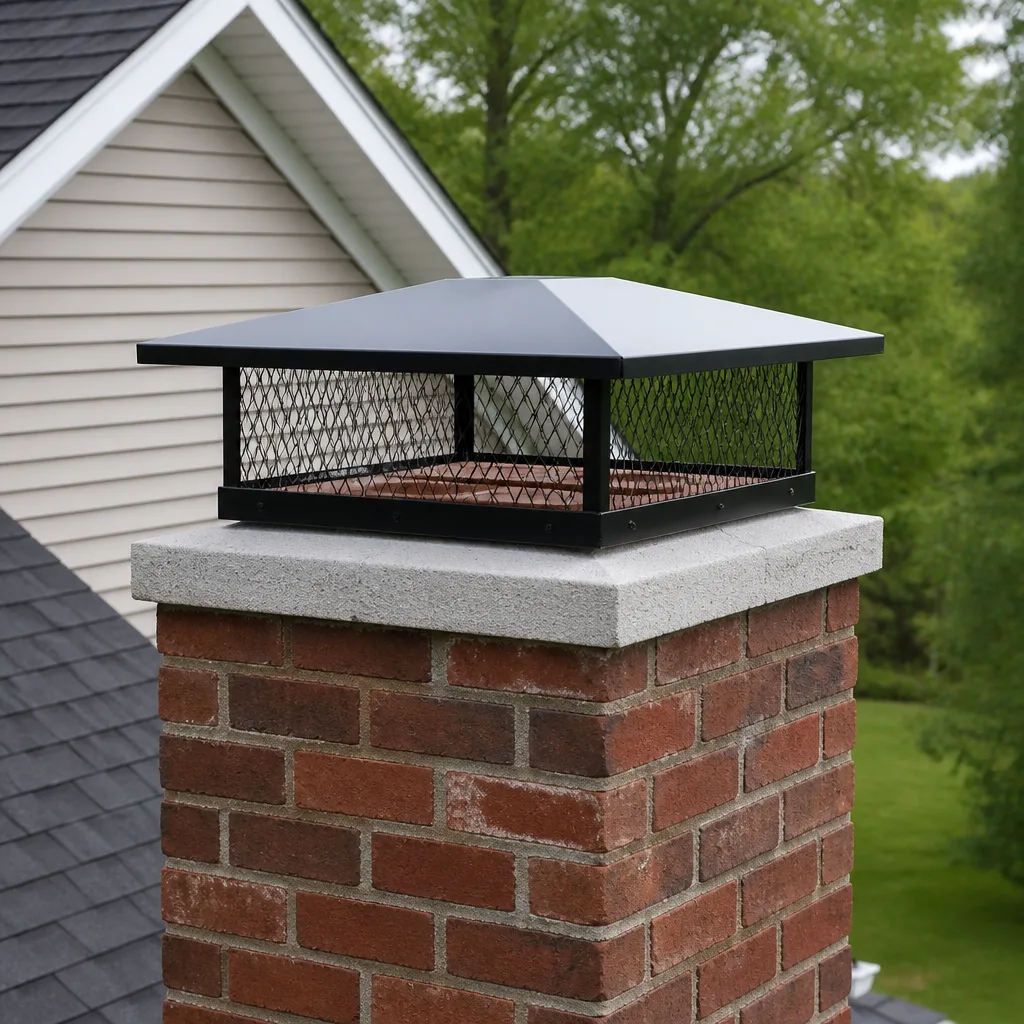 Caps & crowns
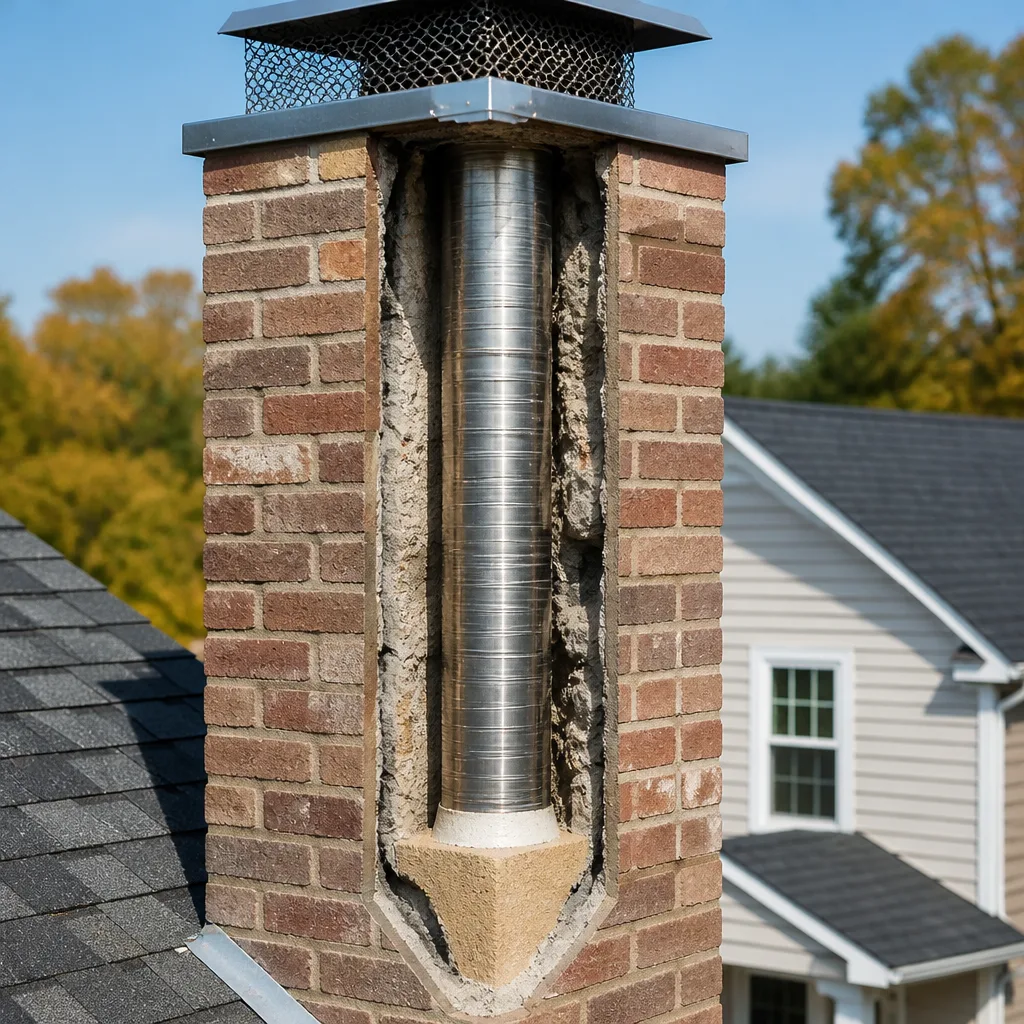 Flue relining
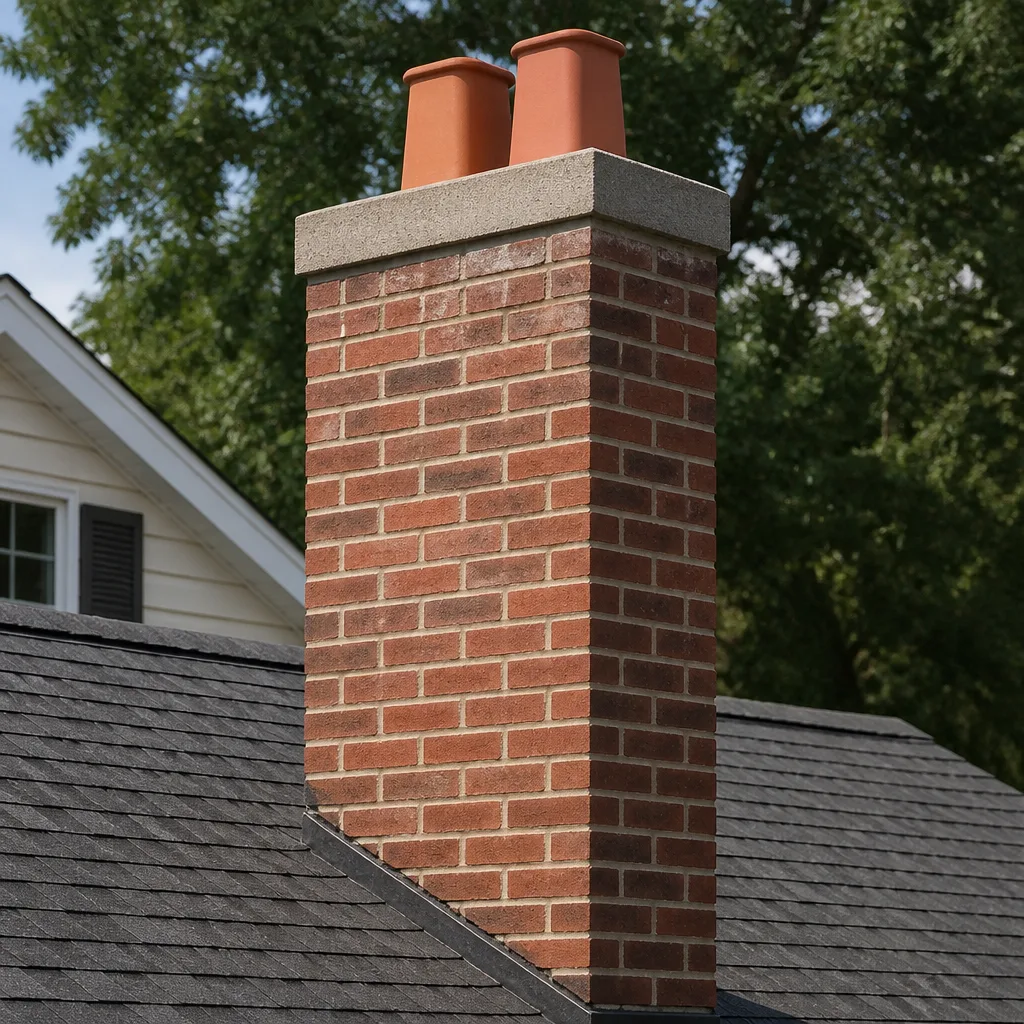 Masonry repair
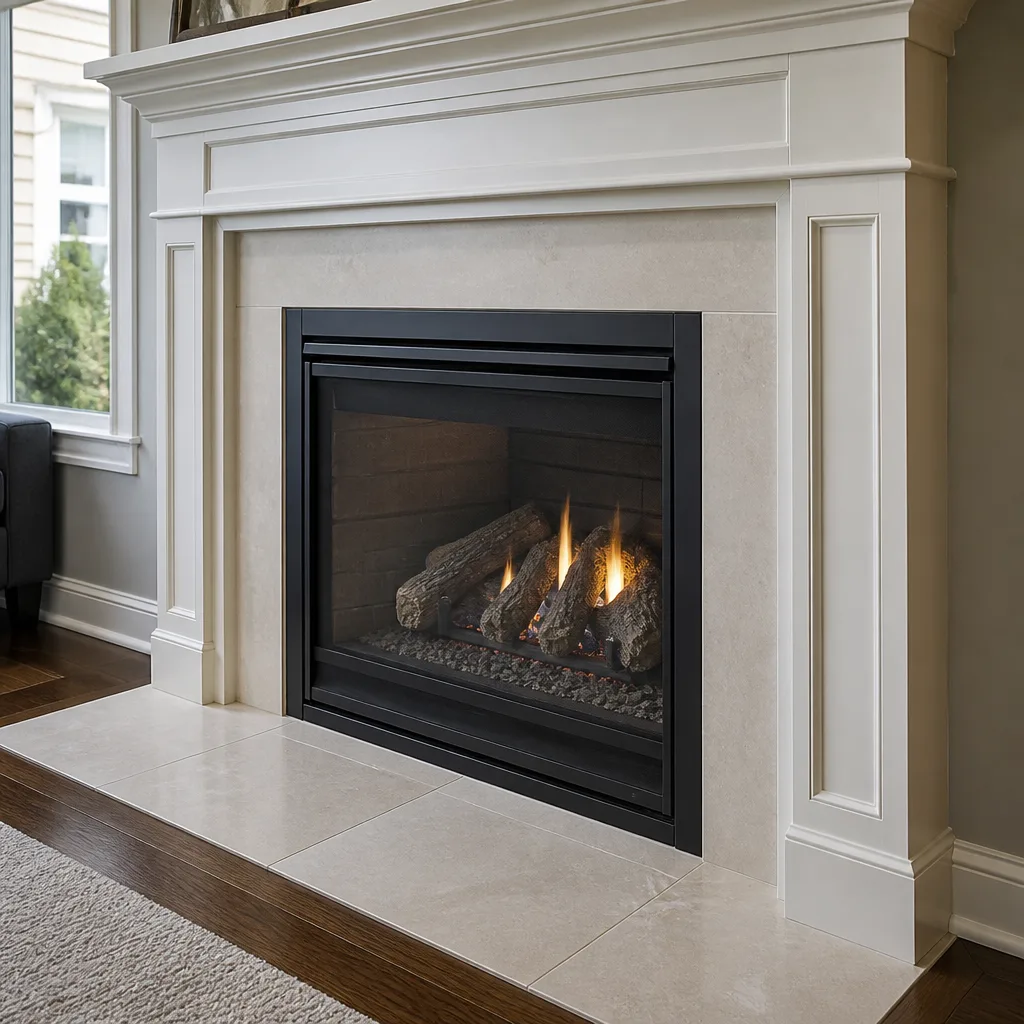 Gas fireplace service
Level 1 sweep and inspection to the NFPA 211 annual standard - flue, crown, cap, and flashing checked and photographed
Chimney sweep logs do not sweep chimneys. They loosen some creosote - which then falls where a brush and vacuum still have to collect it.
Chimney Sweep Troubleshooting in Palm Coast: Common Problems and How to Fix Them
If your fireplace smokes back into the room after a cleaning, the sweep didn’t fail. You were sold the wrong service to begin with. Most chimney problems we troubleshoot in Palm Coast aren’t dirt problems at all. They’re structural failures, draft failures, or moisture failures wearing the costume of a dirty flue. That distinction matters because the fix for a creosote problem and the fix for a downdraft problem are different services at very different price points, and booking the wrong one first is how a small repair turns into a large one. This guide teaches you to read the symptoms correctly before you call anyone, and to know which questions to ask once you do.
Quick Answer
Most chimney problems in Palm Coast fall into four categories: creosote and soot buildup that needs sweeping, liner damage that needs resurfacing or replacement, cap and crown failure that lets water and animals in, and draft problems caused by negative pressure in tightly sealed homes or by structural issues a level-2 inspection is designed to find. A visual sweep only addresses the first. Reading the symptom correctly is what gets you the right repair on the first visit instead of a second call a month later.
Styles & brands we work with
- Sweep & inspection
- Caps & crowns
- Flue relining
- Masonry repair
- Gas fireplace service
Table of Contents
- Read the Symptom Before You Book the Service
- Creosote Problems vs. Structural Downdraft: Telling Them Apart
- Liner Damage, Cap Failure, and Simple Glaze Buildup: Which Is It?
- What a Level-2 Inspection Reveals That a Sweep Cannot
- How Local Humidity Accelerates Masonry Failure in Palm Coast
- The Diagnostic Sequence a Certified Sweep Follows
- Matching the Repair to the Failure: Materials That Last
- What Troubleshooting and Repair Usually Cost in Palm Coast
Read the Symptom Before You Book the Service
The most expensive mistake in chimney care is booking a sweep when what you actually need is a diagnosis. A sweep cleans a flue. It doesn’t tell you why the flue was smoking, why the fireplace pulls weakly, or why there’s a stain spreading across the ceiling near the chase. When the only service on the ticket is cleaning, the visit ends with a clean flue and an unresolved problem, and homeowners often conclude the sweep did a poor job. Usually the sweep did exactly what was booked.
We see this pattern often in Palm Coast, where a lot of homes have fireplaces that get used only a handful of times each winter. Months of disuse hide developing problems, and then the first fire of the season brings everything to the surface at once. The symptom shows up, the homeowner books a cleaning, and the real failure stays invisible because nobody looked.
Start by matching what you’re seeing to one of these symptom groups:
- Smoke rolling back into the room. Could be a cold flue, a closed or partially closed damper, negative pressure in the house, or a structural draft failure. Not usually solved by sweeping alone.
- A weak, lazy fire that struggles to burn. Often a draft problem or a partially blocked flue. Sometimes a cap that’s too restrictive for the appliance.
- Strong smoky smell when the fireplace is cold. Frequently a pressure or downdraft issue, sometimes a cracked flue that lets air in from the chase.
- Water stains on the ceiling, firebox walls, or damper. Cap or crown failure. This one gets worse with every local rainstorm and won’t fix itself.
- Crumbling mortar, loose brick, or white chalky deposits on the exterior. Moisture intrusion into the masonry. Structural, not cosmetic.
- Heavy, glassy, tar-like buildup on the flue walls. Glazed creosote from a previous burn cycle. Dangerous and stubborn. Sweeping removes what can be brushed; the hardened glaze usually needs chemical treatment or resurfacing.
Once you’ve matched the symptom, you know what kind of visit to request. If you aren’t sure, ask for an inspection first. You can learn more about how a proper inspection fits into the overall picture on our Chimney Sweep Palm Coast page, and you can always start by describing the symptom to us directly.
Creosote Problems vs. Structural Downdraft: Telling Them Apart
Two problems produce nearly identical symptoms and get confused constantly in Palm Coast: creosote-related draft restriction and structural downdraft. Both cause smoke rollback. Both make the fire burn poorly. The fix for each is completely different, and treating one as the other wastes the visit.
Creosote-related draft restriction means the flue is physically narrowed by buildup. Soot and creosote coat the interior walls, shrinking the passage the smoke has to travel through. The fire struggles, the smoke has nowhere to go, and eventually it comes out the front. Sweeping resolves this cleanly. Once the flue is clear, the draft returns and the fireplace behaves normally again.
Structural downdraft means the flue is clear but the pressure inside the house is working against the chimney. Palm Coast sits on flat terrain with a lot of newer construction that’s sealed tight for the air conditioning season. Tight houses hold negative pressure, and a chimney is one of the easiest places for that pressure to equalize. Air pushes down the flue instead of pulling up. Add an exhaust fan running in the kitchen or a bathroom vent, and the effect compounds. In our experience, the tell is that the smoke appears even after a fresh cleaning, and the fire burns fine on some days and poorly on others depending on wind, temperature, and what appliances are running.
How to tell the two apart before you call:
- Crack a window near the fireplace. If the smoke problem improves significantly, you likely have a pressure or downdraft issue, not a buildup problem.
- Check whether the fire smokes only on start-up. Cold-flue downdraft is normal for the first few minutes. Continuing smoke past five or ten minutes points to a real issue.
- Look up the flue with a bright light. Visible heavy buildup means sweeping first. A visibly clear flue with continuous smoke points to draft.
- Notice whether the problem is worse in certain room conditions. Pressure-driven downdraft is often worse when another appliance is pushing air out of the house.
If you’re in the second category, sweeping won’t help. You need someone who can evaluate draft, cap design, and flue height together, which is why we start every troubleshooting visit with inspection rather than a brush. When it’s genuinely a draft problem, we look at solutions like extending the flue or installing a draft-inducing wind cap before we consider any structural work.
Liner Damage, Cap Failure, and Simple Glaze Buildup: Which Is It?
By the time a Palm Coast homeowner calls us, most have already decided they need either a sweep or a new liner. In our experience, the answer usually falls into one of three categories, and only the first is a routine sweep.
Simple glaze buildup
Glazed creosote is shiny, dark, and hard. It’s what happens when a fireplace is regularly run hot but not hot enough to properly scorch off the deposit, or when the wood fuel isn’t fully seasoned. Moderate glaze can often be brushed down with the right tools. Severe glaze that’s bonded to the flue wall is a fire hazard and either needs chemical treatment or resurfacing to make the flue safe again. Every case has to be evaluated on the flue itself, not on a photo from the other side of the room.
Liner damage (HeatShield territory)
A damaged liner is where things get serious. Cracks, gaps in the clay tile joints, spalling tile, or a misaligned flue show up as smoke escaping into the chase, carbon monoxide risk if there’s a gas appliance attached, or a fire that can’t draw properly because the flue is no longer a continuous sealed path. When the liner is damaged but still structurally sound enough to be repaired rather than replaced, we use HeatShield for liner resurfacing. It rebuilds the flue interior as a smooth, sealed surface and extends the life of the chimney without a full tear-out. Full liner replacement with a product like DuraFlex is the right answer when the original liner is past saving.
Cap failure (Gelco or Famco replacement)
The cap is the metal cover on the chimney top. It keeps rain, animals, and debris out of the flue. When a cap rusts through, works loose, or gets damaged in a storm, water enters the flue directly. That water ruins the liner, erodes the mortar joints, and can even cause the firebox to crack. The symptoms of a failed cap mimic draft problems and liner problems, which is why cap inspection always comes early in the diagnostic sequence. We install Gelco and Famco caps because both brands are specified by chimney professionals for durability and proper draft control. A good cap doesn’t just cover the flue, it shapes how air leaves the chimney.
To sort these three apart, the question isn’t what you see from the room. It’s what’s visible at the top of the flue and inside the chase. That requires a camera and a trained pair of eyes, and it’s the reason we don’t recommend liner decisions based on a visual inspection alone. If you’re already suspecting a liner problem, our chimney repair page goes deeper into the repair side of the work.
What a Level-2 Inspection Reveals That a Sweep Cannot
A chimney sweep cleans. A level-2 inspection diagnoses. They are different services with different tools, different scope, and different conclusions, and conflating them is one of the most common reasons a chimney problem comes back after it’s supposedly fixed.
A level-2 inspection is the industry-standard diagnostic for a chimney that has symptoms, has changed use pattern (for example, converting from wood to gas), or is going through a real-estate transaction. The sweep alone typically addresses the flue from below or above with brushes. The level-2 inspection uses a video camera dropped through the flue to record every joint, every offset, every tile, and every connection. It also includes a visual assessment of the accessible portions of the chimney exterior, the crown, the cap, the firebox, and the damper.
What that means practically is that a level-2 inspection can show you things a brush physically cannot:
- A cracked flue tile three feet below the top, where the brush passed right through without noticing.
- A disconnected liner section hidden behind a bend in a flue that has an offset.
- Moisture damage on the chimney crown that a visual check from the ground wouldn’t reveal.
- An improperly sized flue for the appliance attached to it.
- A blocked or partially obstructed flue caused by a bird nest or fallen cap.
For a homeowner in Palm Coast who has already paid for one cleaning that didn’t solve the problem, this is where the money is best spent. The camera doesn’t lie. It shows you exactly what’s wrong and where. It also produces a photographic record you can keep, share with a second opinion, or reference at resale. We consider the level-2 inspection the foundation of every recommendation we make about a chimney. Without it, we’re guessing, and so is anyone else.
If your home is in one of the older Palm Coast neighborhoods with original masonry chimneys, or you’ve recently bought a home and don’t know the service history, a level-2 is the right place to start. You can think of it as the honest broker between “clean it and hope” and “replace everything.”
How Local Humidity Accelerates Masonry Failure in Palm Coast
Palm Coast’s climate is hard on masonry chimneys in a way that homeowners moving from drier regions don’t always anticipate. The warmth and humidity here create a long, slow, wet-dry cycle that eats into mortar, brick, and crown material faster than the same chimney would deteriorate in a drier climate. It’s not a dramatic event. It’s the kind of degradation that quietly happens over many wet seasons, and then one day the fireplace starts smoking and the homeowner can’t figure out why nothing looks different.
The mechanism is straightforward. Mortar is porous. Every rainstorm that soaks into the crown or the brick face leaves moisture inside the masonry. Warm weather pulls that moisture back out slowly, and the cycles of saturation and drying stress the joints. Over time the mortar crumbles, the brick face spalls, and the chimney crown (the concrete cap over the whole chimney top) develops hairline cracks. Once cracked, the crown stops shedding water, and the chimney starts absorbing it every storm.
What makes this tricky is the symptom pattern. A chimney that’s absorbing water doesn’t look obviously broken from the ground. The moisture inside the chase changes how the flue drafts, and the homeowner experiences it as poor draft or smoke rollback. That looks exactly like a buildup problem. It gets booked as a sweep. It doesn’t resolve, because the water is still coming in.
Signs of moisture-driven masonry failure to look for:
- White, chalky staining on the exterior brick or mortar (efflorescence).
- Mortar joints that crumble when you press a fingernail into them.
- Rust stains on the firebox or damper, suggesting moisture running down the flue.
- Flaking or spalling brick faces, especially near the top of the chimney.
- Water stains on the interior firebox walls or ceiling around the chase.
This is why we treat the cap and crown as the first line of defense rather than an afterthought. Properly installed Gelco and Famco caps shed water, and a properly sealed crown gives water no place to enter. When we see masonry cracking, we address the crown and cap before we touch the firebox. The reason most Palm Coast chimney repair jobs start at the top isn’t coincidence. That’s where the water gets in.
The Diagnostic Sequence a Certified Sweep Follows
Understanding the order a professional works in helps you evaluate whether the person you’ve hired is doing a proper job. In our experience, the correct sequence runs top-down, because the highest point of the chimney is usually the source of the symptom, and because water enters from the top down.
Here’s the sequence we follow on any troubleshooting visit:
- Cap. Check the state of the cap first. Is it present, secured, and undamaged? A rusted or missing cap is the most common single cause of moisture problems in Palm Coast chimneys. If it’s compromised, that gets addressed before anything else.
- Crown. Examine the concrete crown over the chimney top for cracks, gaps at the flue edge, or spalling. A cracked crown directs water into the masonry. If it’s bad, the crown is repaired or replaced before interior work begins.
- Flue and liner. Run a camera down the flue. Look for cracked tiles, gaps at the joints, misalignment, or displaced sections. This is where a level-2 inspection pays for itself. This is also where you determine whether HeatShield resurfacing will work or whether a full liner replacement with DuraFlex is the right call.
- Firebox. Inspect the firebox walls for cracks, especially at the joints. A cracked firebox lets heat reach the structure behind it. That’s a safety problem regardless of anything else on the list.
- Damper. Confirm the damper opens fully and closes cleanly. A damper stuck partially closed produces a classic “weak draft” symptom that has nothing to do with buildup.
- Draft test. With everything above verified, test the actual draft under load. This confirms whether any remaining symptom is a real draft failure and gives us the data to size a cap solution.
The order matters because a fix applied in the wrong order fails. If you install a new cap without addressing a cracked crown, the water still gets in through the masonry and the cap purchase was wasted. If you sweep before inspecting the liner, you might knock debris into a damaged section and make things worse. If you replace the liner before confirming the cap and crown are intact, the new liner is exposed to the same water that ruined the last one.
Ask any sweep you hire what order they work in. If the answer isn’t top-down, ask why. Contact us if you want to see the sequence in action on your own chimney.
Matching the Repair to the Failure: Materials That Last
The difference between a $200 visit and a $2,000 redo usually comes down to whether the repair matched the failure. Fixing the wrong thing, or fixing the right thing with the wrong material, gets expensive the second time. The reason we specify the brands we do is that they’ve earned their place in the professional chimney trade, not because they’re the cheapest option.
Here’s how we match failures to repairs:
Cracked or degrading liner, but structurally sound
HeatShield resurfacing. It rebuilds the flue interior as a continuous, sealed, smooth surface. The chimney keeps its original footprint and gains a fresh interior lining. It’s the least invasive solution that actually resolves a damaged but salvageable liner.
Liner beyond resurfacing
Full liner replacement, and for that we use DuraFlex. It’s a professional-grade stainless liner that gets installed through the flue and connected to the appliance. New liner, new starting point.
Cap failure
Gelco or Famco cap replacement. Both are specified by chimney professionals for durability and to control draft. The right cap does two jobs at once: it keeps water out and it shapes airflow at the top of the flue to help the chimney pull.
Crown damage
Crown repair or replacement, depending on how much of the original crown is still sound. Sealing a hairline crack is a low-cost fix. Rebuilding a crown that’s broken at the flue edge is a different job with a different material list.
Component-level repairs and uncommon parts
We source components from Olympia Chimney and Copperfield, two of the more comprehensive supply networks in the chimney trade. That matters when a home has an unusual flue size, an older appliance connect, or a damper assembly that isn’t a stock item. Uncommon parts shouldn’t stall a repair.
If you’re evaluating a quote from another company, ask specifically what material they plan to use and why. A quote that names HeatShield, DuraFlex, Gelco, or Famco is at least speaking the right language. A quote that just says “we’ll replace the flue” isn’t. The full scope of what we handle sits on our chimney sweep service page if you want to compare what’s covered.
What Troubleshooting and Repair Usually Cost in Palm Coast
Typical costs for chimney troubleshooting and repair in Palm Coast run from around $150-$300 for a standard sweep, $250-$500 for a level-2 inspection with a camera, and $400-$2,500+ for structural repairs depending on what’s found. Every job gets a written estimate before work begins, and that estimate is what sets the final price. The ranges below are typical for the area, not quotes.
- Standard sweep (wood fireplace or insert): roughly $150-$300 per flue, single story.
- Level-2 inspection with camera: roughly $250-$500, depending on the number of flues and roof access.
- Cap replacement (Gelco or Famco): roughly $200-$500 installed, based on size and material.
- Crown repair (sealing / patching): roughly $400-$800.
- Crown rebuild: roughly $800-$1,600.
- HeatShield liner resurfacing: roughly $1,200-$2,500+, based on flue length and condition.
- Full liner replacement with DuraFlex: roughly $1,800-$4,000+, based on flue length, number of flues, and appliance connect.
Those ranges are wide on purpose. A flue on a single-story home with easy roof access is a very different job than a two-story chimney with multiple flues and a tight roof pitch. When someone quotes you a firm number before the inspection, that number is a guess. We’d rather look first and price second.
One thing we hear every week is that homeowners worry about being told they need thousands of dollars of liner or masonry work they can’t verify. That worry is fair, and it’s the reason we take photos during the inspection and share them with you. Nothing is recommended without a camera image you can see for yourself. If the liner is fine and the problem is a stuck damper, we say so. If the masonry can wait until next summer, we say that too. If the crown needs to be fixed now because the chimney is actively taking on water, we show you the crack.
If you’re currently comparing quotes or trying to decide whether a sweep’s recommendation is honest, call us for a free estimate and a second set of eyes. The estimate is free, and the photos are yours to keep.
Common Mistakes to Avoid
- Booking a sweep when you need an inspection. If the fire has already been swept recently and the smoke problem persists, a second cleaning won’t reveal anything. You need a level-2 inspection with a camera to find what the first visit missed.
- Assuming smoke rollback means buildup. Many smoke problems here are draft failures caused by negative pressure in a tightly sealed home, not creosote. If cracking a nearby window briefly makes it better, ask about draft solutions, not sweeping.
- Replacing a liner without checking the cap and crown first. A new liner under a failed cap will get soaked by the next storm season. Fix the top of the chimney before the interior.
- Ignoring mortar and brick deterioration because the fireplace still lights. A smoking fire is a check-engine light. Crumbling mortar is the transmission problem underneath it. Masonry failure in Florida’s humidity tends to sneak up quietly before it produces a dramatic symptom.
- Hiring the cheapest quote without asking what material gets installed. A quote that doesn’t name the brand or system being used isn’t a comparable bid. HeatShield, DuraFlex, Gelco, and Famco are brand names with specific performance behind them. Generic material at a lower price isn’t a lower price, it’s a shorter lifespan.
- Putting off a level-2 inspection during a real-estate transaction. Buying or selling a home in Palm Coast with a fireplace is one of the few times the chimney history should be documented in writing. Skipping it can mean discovering a liner problem after closing.
- Treating a rusted damper or firebox as cosmetic. Rust says water is getting in somewhere. Find where before you paint over it.
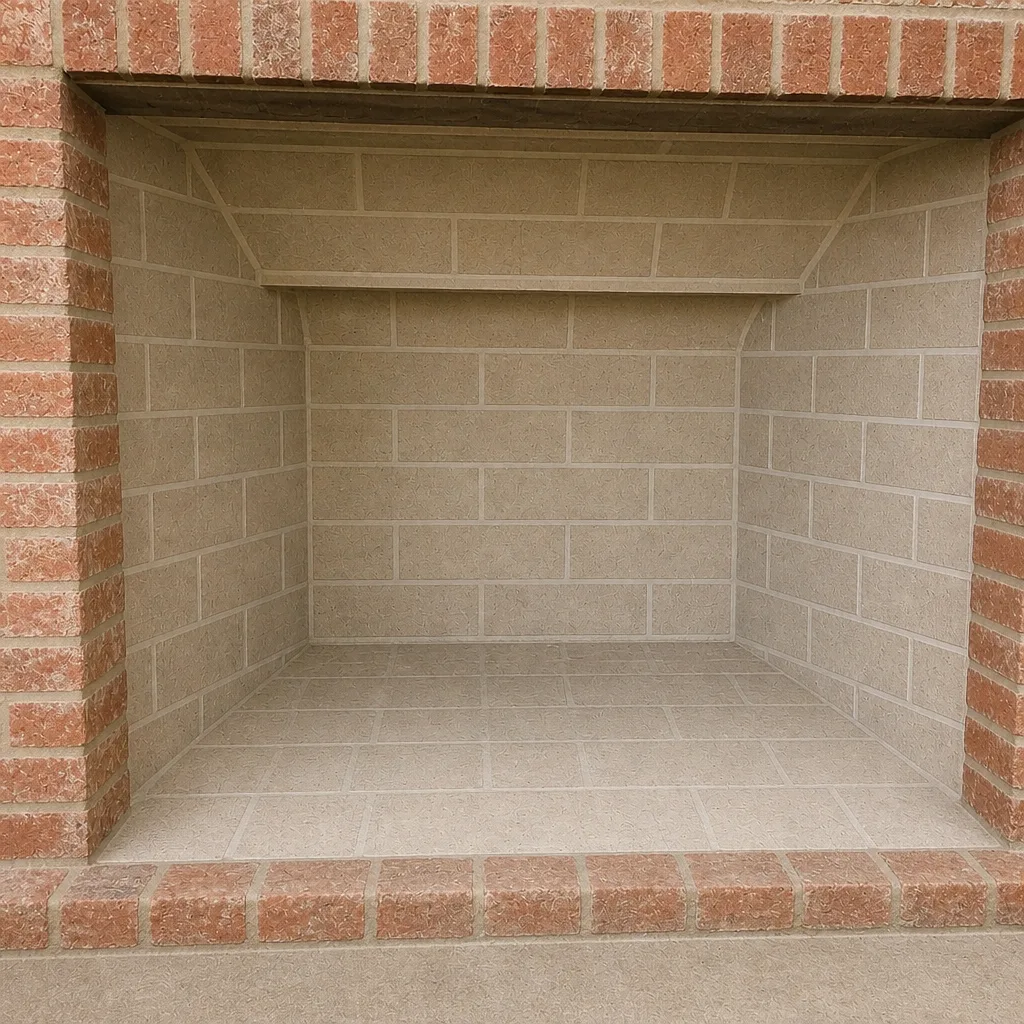
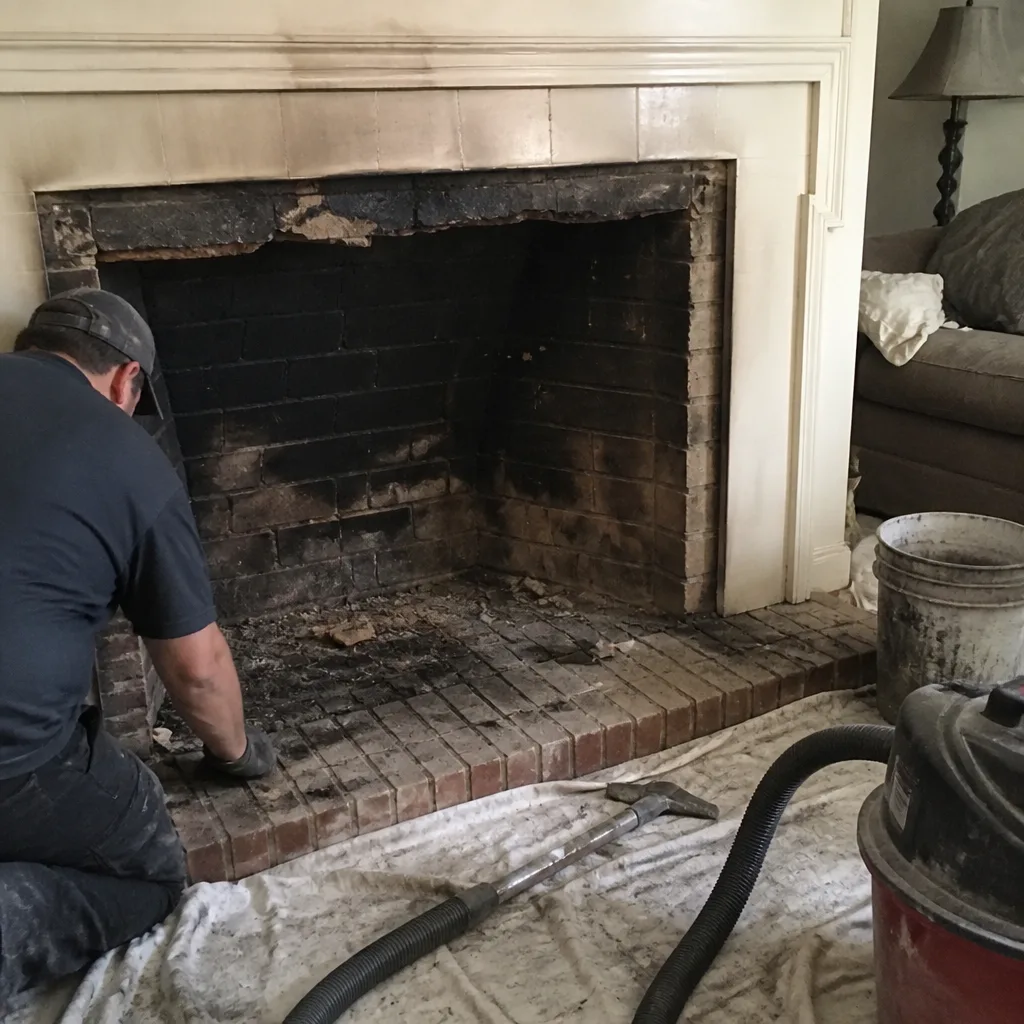
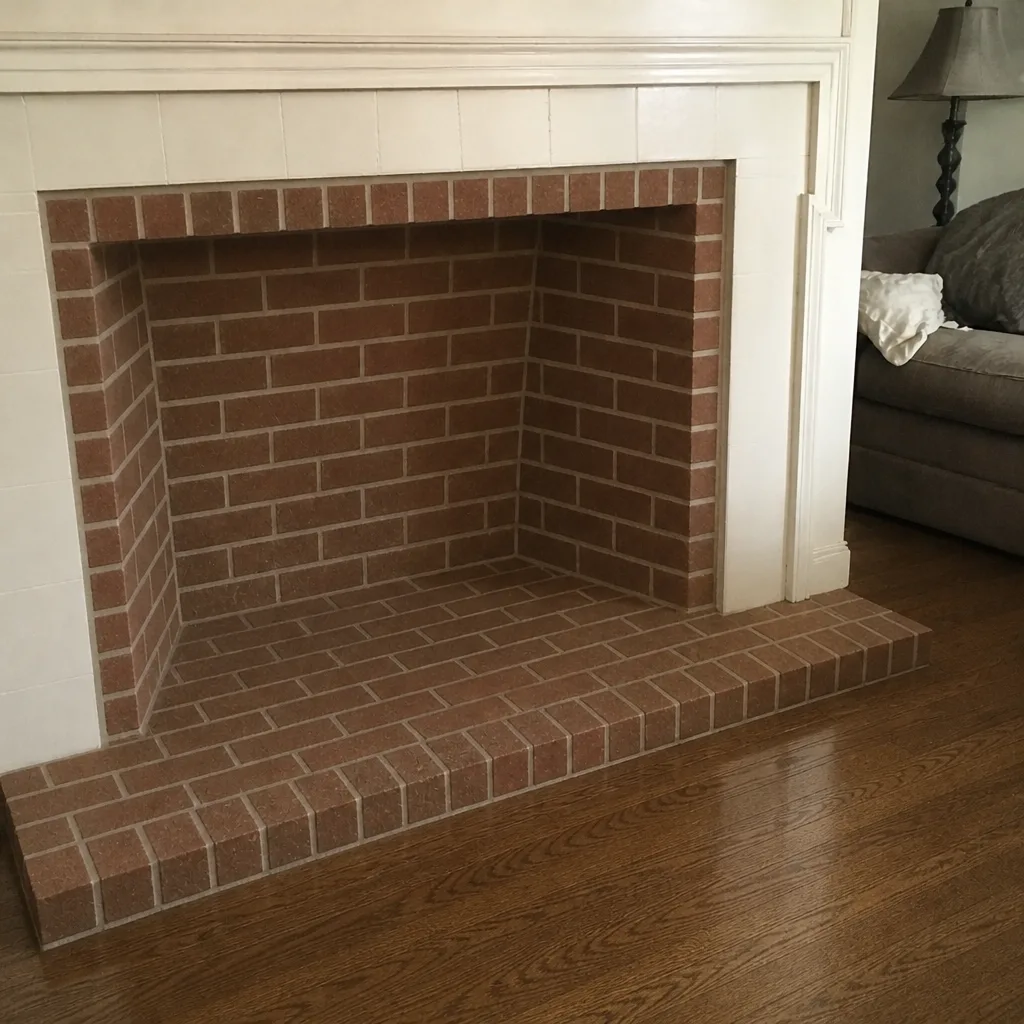
See the difference
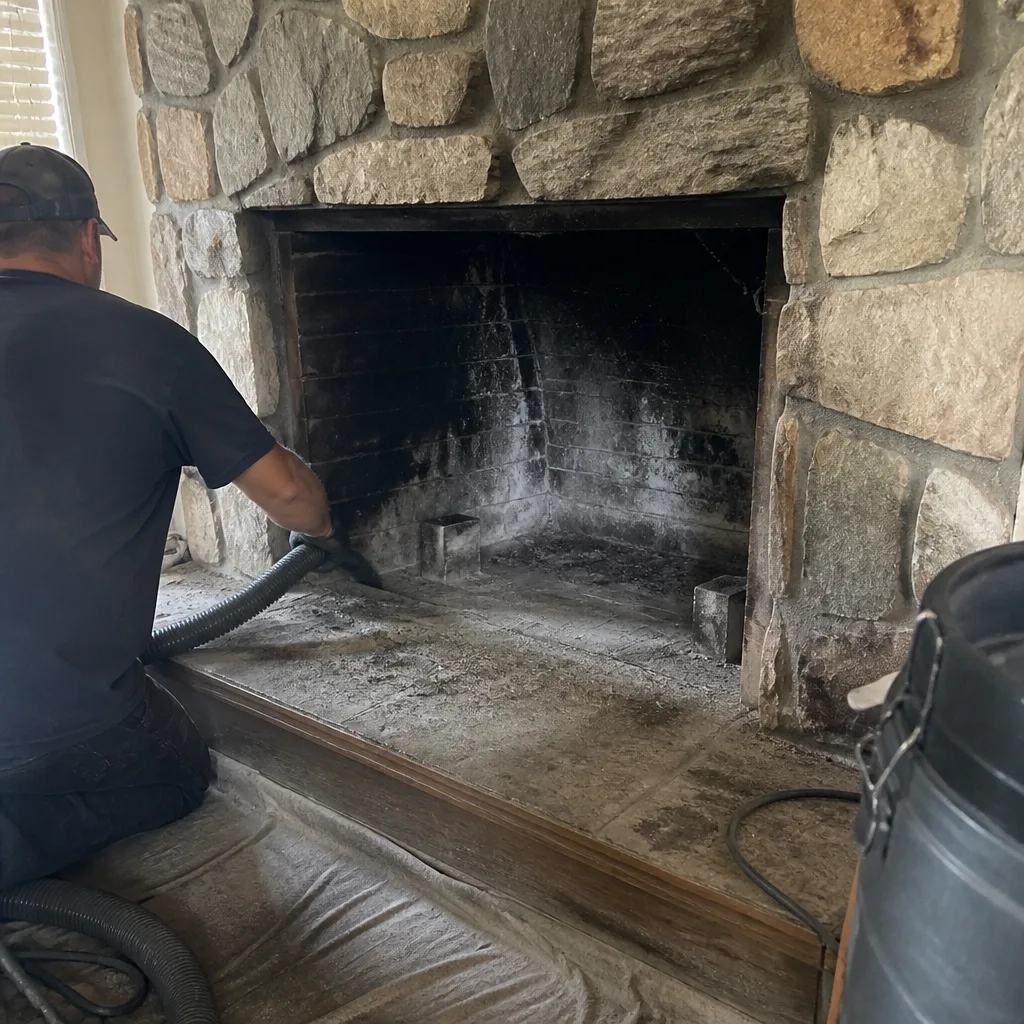 Before
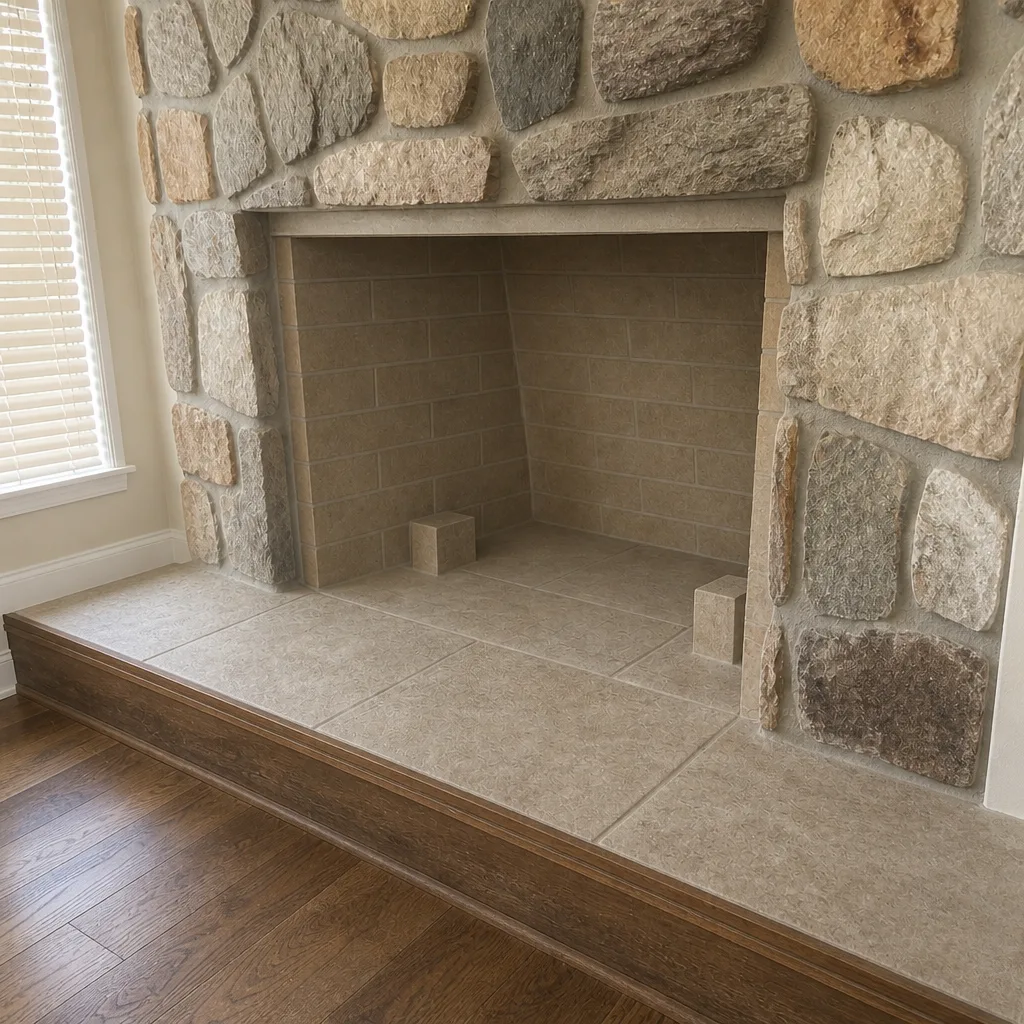 After
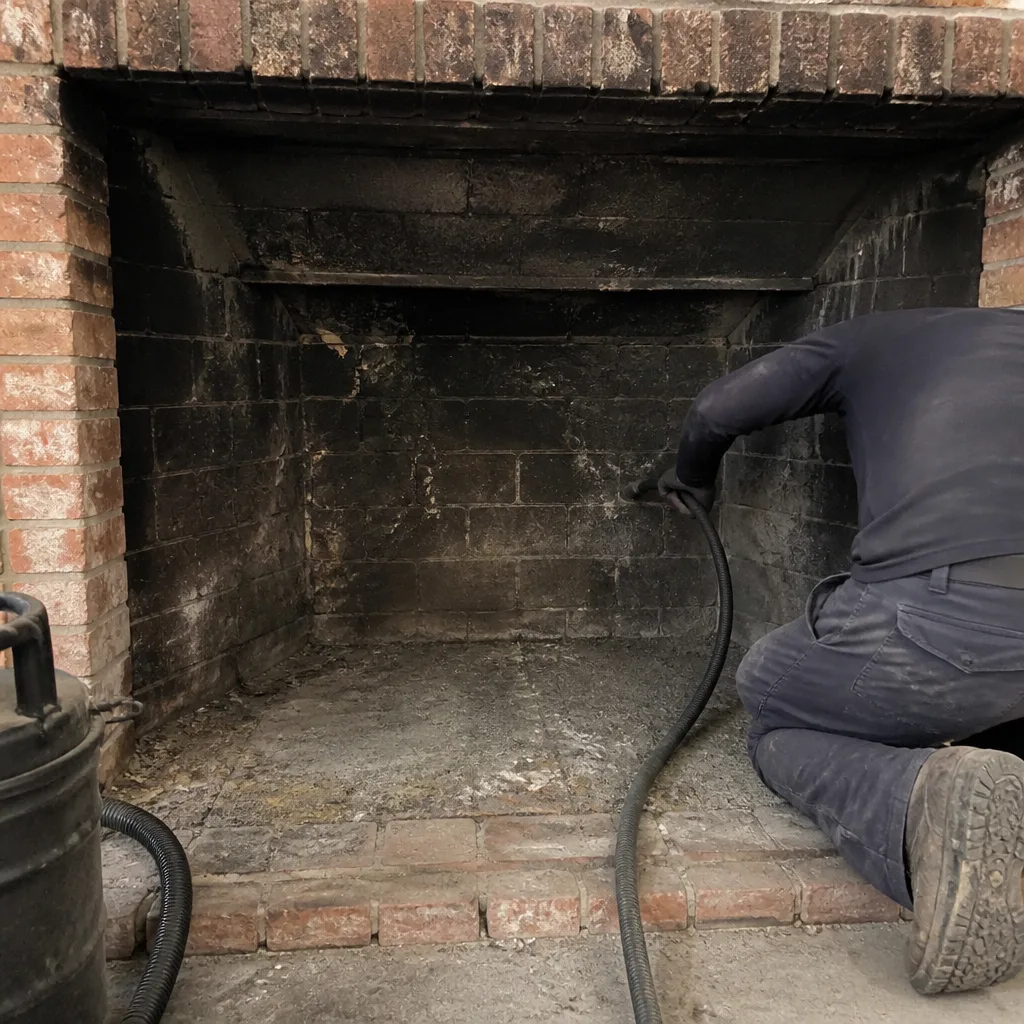 Before
 After
 Before
 After
When to Call a Professional
Call a professional when any of these are true: the fireplace smokes into the room after a cleaning, there are water stains near the chimney, you can see crumbling mortar or chalky efflorescence on the exterior, you smell smoke when no fire is burning, you’ve never had the chimney inspected and don’t know the liner condition, or you’re in the middle of a home sale. Also call if you have symptoms but you’re not sure which category they fall into. Getting the diagnosis right on the first visit is cheaper than booking the wrong service twice. Our technicians have up to experience troubleshooting exactly this kind of ambiguity in Palm Coast homes. Estimates are free. Call (877) 471-4123. We answer 24/7. Fast dispatch from 7am to 7pm, Sunday through Friday.
Frequently Asked Questions
A standard chimney sweep in Palm Coast typically runs about $150-$300 per flue for a single-story home, more if there are multiple flues or the roof access is difficult. Sweeping alone clears buildup but does not diagnose structural or draft problems, so if your fireplace has symptoms after a cleaning, ask for a level-2 inspection. Call (877) 471-4123 for an exact quote. Estimates are free.
You need a new liner if the existing one has cracks, disconnected sections, or gaps that let smoke and heat escape into the chase, and if resurfacing with HeatShield can’t save it. You do not need a new liner if the flue is intact and the problem is buildup, a stuck damper, or a draft issue at the cap. Never accept a liner quote without seeing the camera images yourself. If you want a second look, call (877) 471-4123 and we’ll take a look and show you what we see. Estimates are free.
A wood-burning chimney is typically swept when there’s about an eighth of an inch of creosote buildup on the flue walls, which for most regular users works out to once a year. Homes that burn only occasionally may stretch further, but the chimney should still be inspected annually to catch cap, crown, and liner problems early. Given Palm Coast’s humidity and the way masonry absorbs moisture between fire seasons, annual inspection catches deterioration before it becomes a repair. Call (877) 471-4123 to book an inspection. Estimates are free.
Smoke after a cleaning almost always means the problem wasn’t buildup. The most common causes are negative pressure inside a tightly sealed house, a damaged liner letting air into the flue, a failed cap restricting draft, or a structural downdraft that a sweep can’t see. A level-2 inspection with a camera identifies which. Call (877) 471-4123 for an inspection. Estimates are free.
Skipping a sweep lets creosote collect to the point where it can ignite, and a chimney fire is a serious event even when it stays inside the flue. Skipping an inspection lets cap and crown failures get worse, so water enters the masonry every rainy season and eventually reaches the firebox and the structure. Skipping both means small, inexpensive repairs quietly become large ones. Call (877) 471-4123 for an inspection. Estimates are free.
Liner repair is often possible. HeatShield resurfacing rebuilds the interior of a damaged but structurally sound flue, sealing cracks and giving you a fresh, continuous surface without a full liner tear-out. When the original liner is past repair, we install a DuraFlex liner instead. The decision depends on what the camera shows, and we won’t recommend resurfacing a flue that can’t hold it. Call (877) 471-4123 to schedule an inspection. Estimates are free.
The Bottom Line
Most chimney problems in Palm Coast get misdiagnosed not because homeowners are careless but because the symptoms of a buildup issue and the symptoms of a structural or draft failure look the same from inside the living room. Reading the symptom correctly, running the diagnostic sequence from cap to crown to liner to firebox to damper, and matching the repair to the actual failure is what separates a small fix from a large redo. Sweeping alone solves one category of problem. Inspection and proper repair solve the rest. If you’ve already paid for one service that didn’t resolve the symptom, that’s the signal to book a level-2 inspection instead, and to see the camera images for yourself before any repair is scheduled. We’re a chimney-only shop working with professional-grade brands because the difference between a five-year fix and a twenty-year fix isn’t the labor, it’s the material. For homeowners comparing options or looking for a second opinion, our Palm Coast page has more on how we handle local chimney work.
If you’ve read this guide and you still aren’t sure which symptom category your fireplace falls into, that’s the right moment to call. Call (877) 471-4123 for a free estimate. We answer 24/7. Fast dispatch from 7am to 7pm, Sunday through Friday. A proper inspection, a written estimate, and photos you can review yourself are the fastest path from a confusing symptom to a clear answer.
Written by the team at Chimney Sweep Palm Coast.