
Last updated November 16, 2026
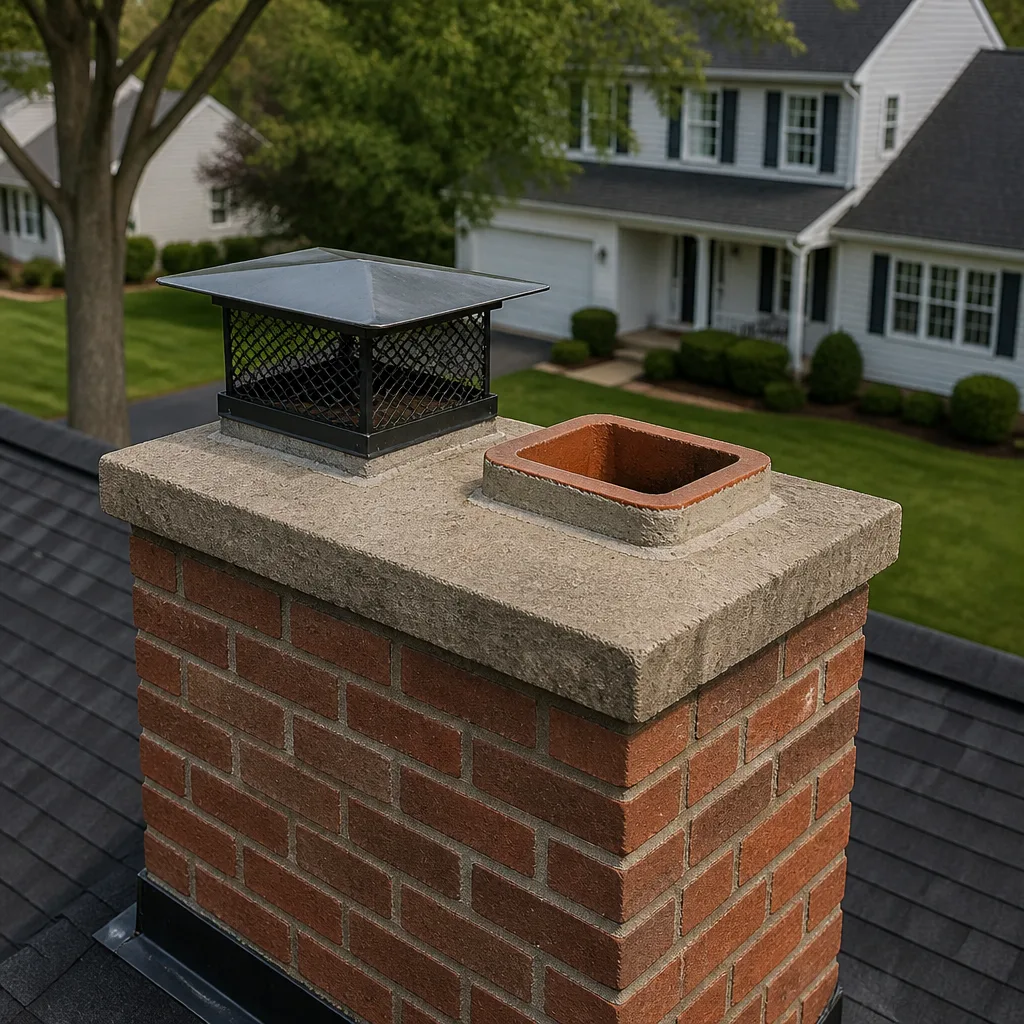 Sweep & inspection
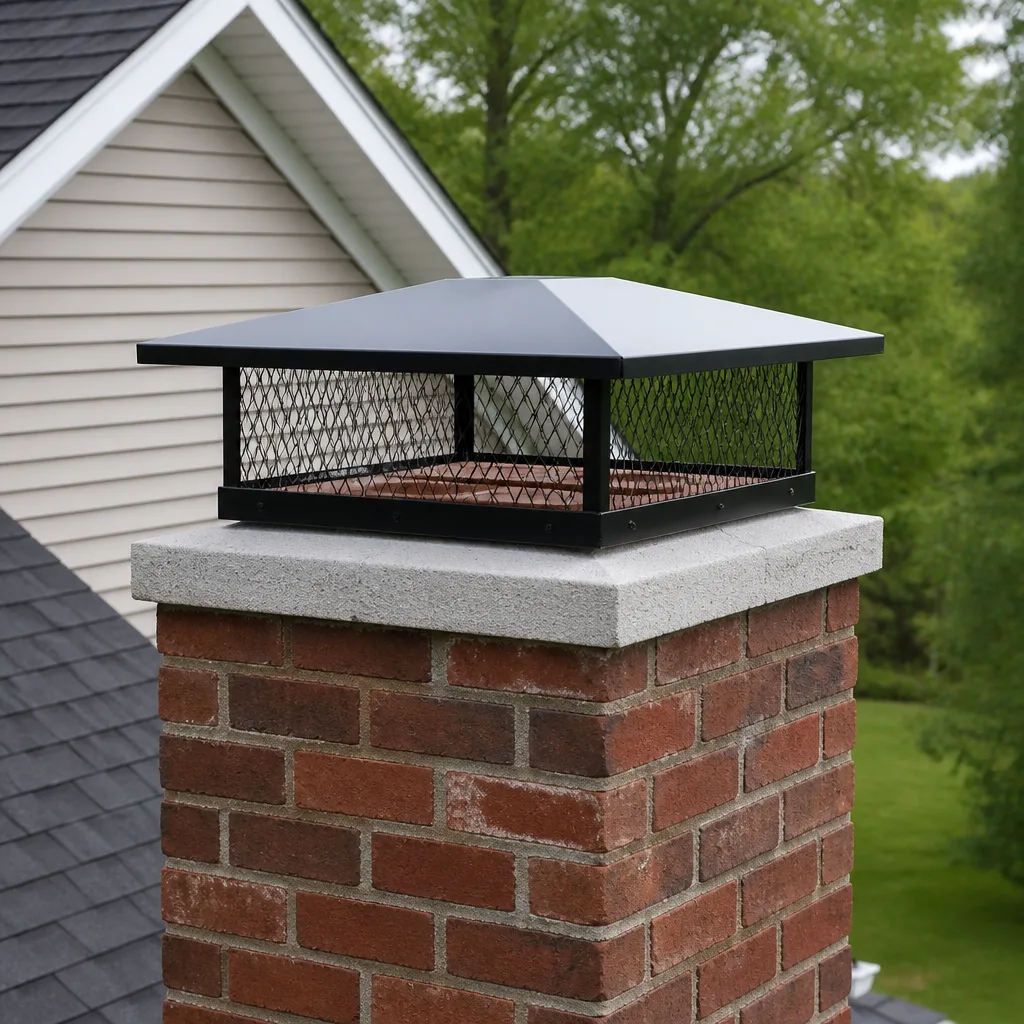 Caps & crowns
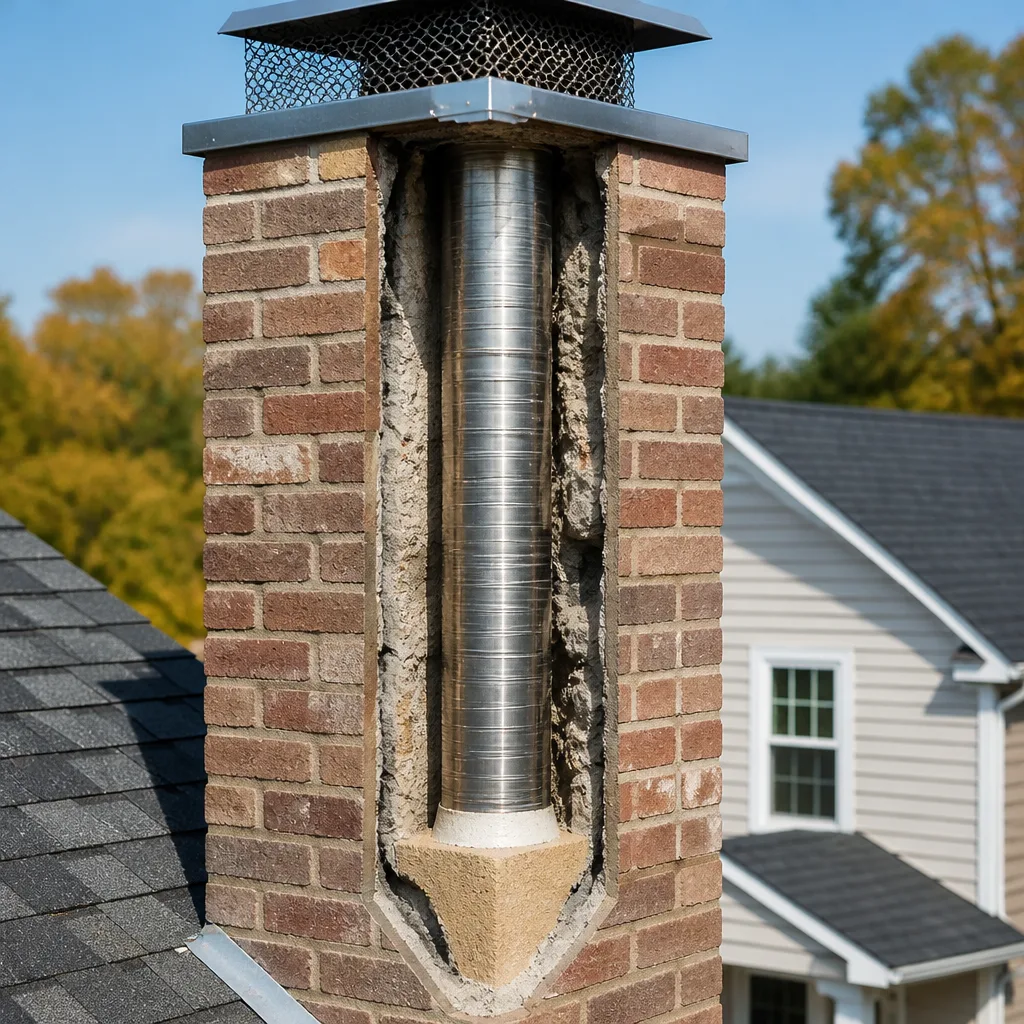 Flue relining
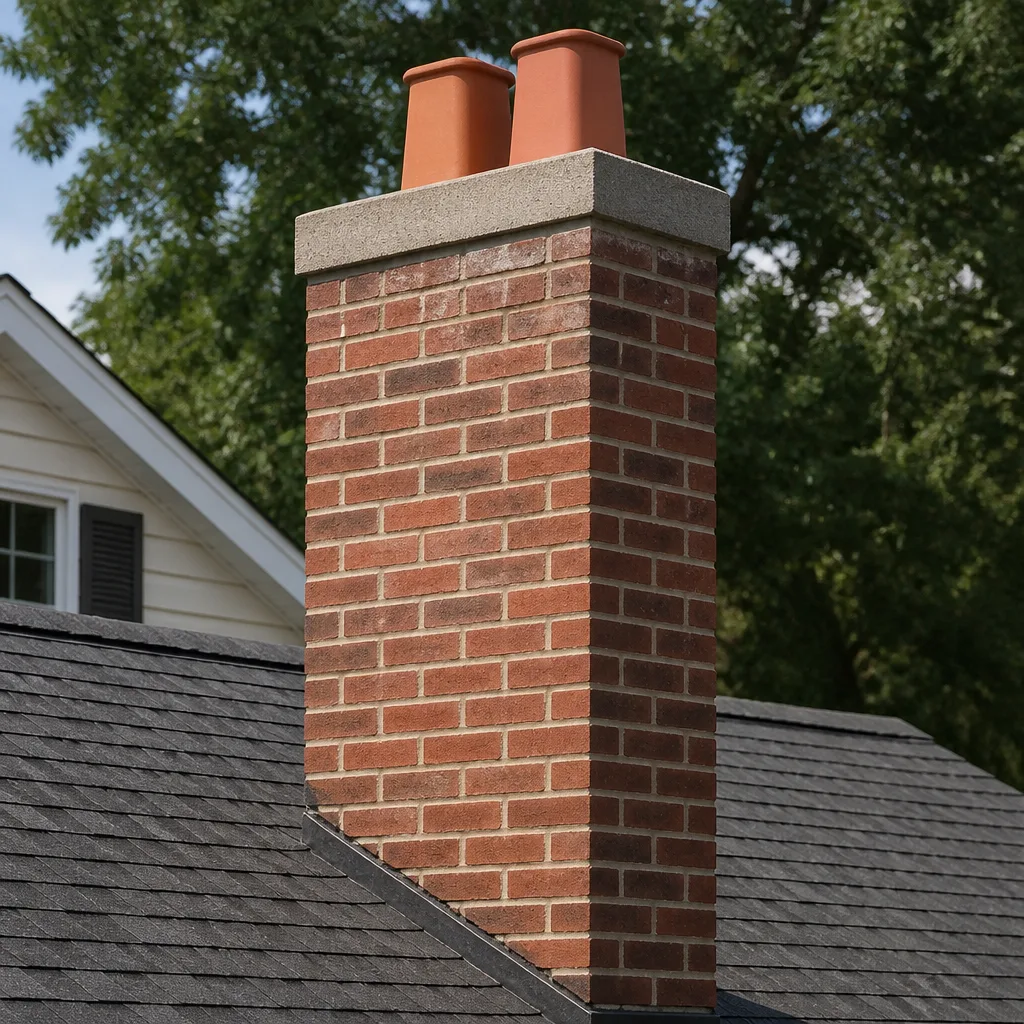 Masonry repair
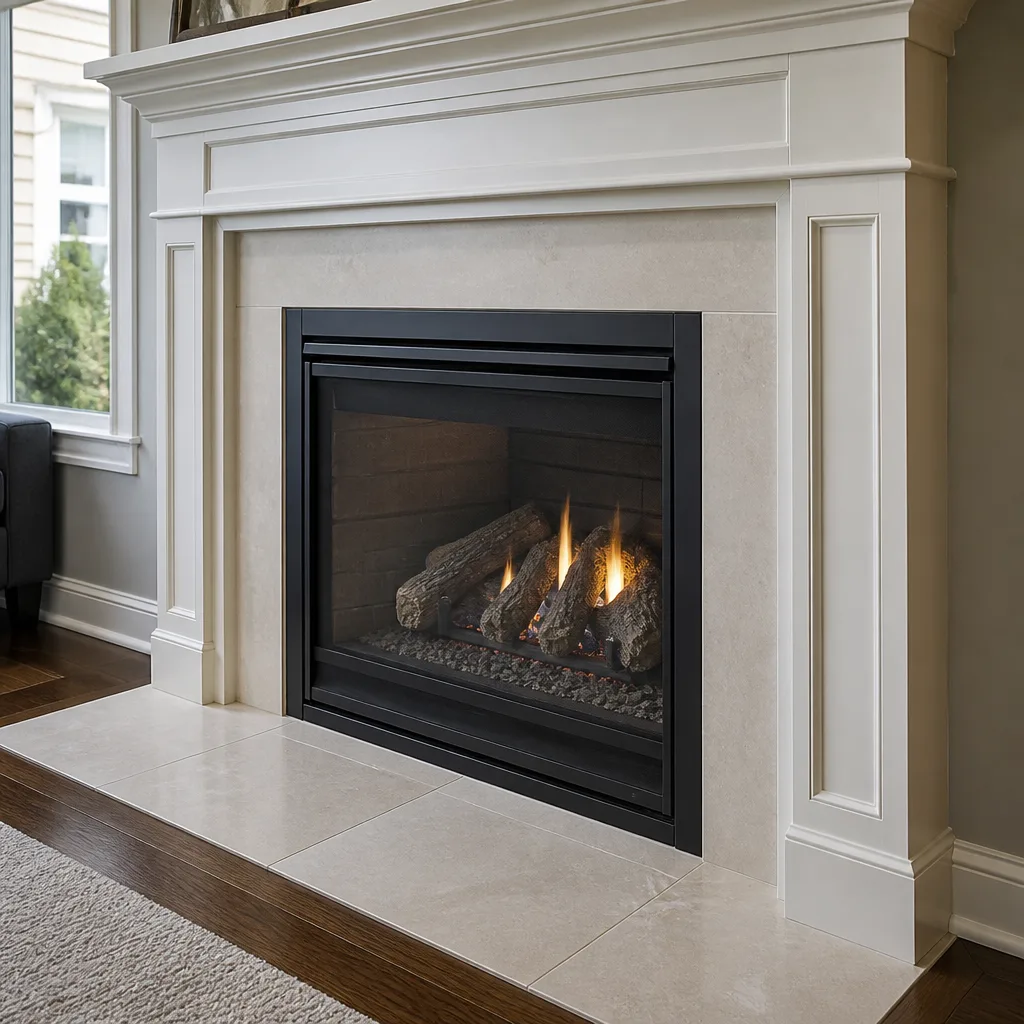 Gas fireplace service
Level 1 sweep and inspection to the NFPA 211 annual standard - flue, crown, cap, and flashing checked and photographed
Chimney sweep logs do not sweep chimneys. They loosen some creosote - which then falls where a brush and vacuum still have to collect it.
The Complete Guide to Chimney Cleaning in Palm Coast
Most Palm Coast homeowners assume a chimney sweep takes about 45 minutes. A proper Level 1 inspection and cleaning of a single-flue masonry system takes closer to 90 – and if your tech is done in half that, something wasn’t checked. That gap matters more here than in most of Florida. Homes in Palm Coast sit in a climate that keeps a firebox humid for much of the year, then asks it to handle a real burn season from late fall into early spring. This guide walks through what a thorough cleaning actually involves, how the local climate changes the checklist, when brushing is enough and when it isn’t, and which components a professional should be looking at while the drop cloths are down.
Quick Answer
Chimney cleaning in Palm Coast means more than running a brush up the flue. A professional visit combines a Level 1 inspection with a full sweep: checking the firebox, damper, smoke chamber, flue, crown, and cap, then removing soot and creosote with rotary brushes and a HEPA vacuum under drop cloths. Homes here should be swept and inspected annually if they burn regularly, and the humid climate makes a yearly look at mortar and metal components just as important as the cleaning itself.
Styles & brands we work with
- Sweep & inspection
- Caps & crowns
- Flue relining
- Masonry repair
- Gas fireplace service
Table of Contents
- Why Palm Coast Chimneys Age Differently
- What a Professional Cleaning Actually Involves
- Level 1 Inspection Versus a Visual Sweep
- Creosote Stages and Why They Change the Job
- Components a Pro Checks During a Standard Cleaning
- What Chimney Cleaning Costs in Palm Coast
- How Often You Need a Sweep
- What You Should Never Do Yourself
Why Palm Coast Chimneys Age Differently
Humidity is the quiet force behind most chimney deterioration in Palm Coast. Flagler County stays warm and damp through much of the year, and a masonry chimney is a sponge for that moisture. Brick and mortar draw in water vapor, then release it slowly. When a chimney stays damp, the mortar between the bricks softens and the joints start to crumble. That’s the process behind the loose, sandy mortar you can scrape off with a fingernail on an older chimney.
Metal components feel it too. A damper that sits unused through a humid summer can rust at the hinge and stick when you first try it in the fall. A cheap steel rain cap can pit and thin far faster here than the same cap would on a dry-climate chimney. This is one reason we install Chimney Sweep Palm Coast customers with caps from Famco and similar makers built for a long, wet service life rather than whatever fits.
For inland Florida, this is the pattern: the burn season is short, the off-season is long and humid, and the damage happens mostly while the fireplace sits idle. A chimney that gets used two months a year can still deteriorate faster than a chimney in a colder climate that runs hard all winter, because the local chimney never fully dries out. That’s why an annual inspection catches problems here that a homeowner wouldn’t notice until mortar is actually falling into the firebox.
The mild winter is a mixed blessing. You don’t get the deep cold that stresses masonry through repeated expansion and contraction, but you also don’t get the dry air that keeps a chimney stable. The result is a slow, steady wear that’s easy to miss. Call Palm Coast homeowners often tell us their chimney “looks fine” right up until we pull a handful of crumbled mortar out of the smoke shelf.
What a Professional Cleaning Actually Involves
A real cleaning follows a sequence. The difference between a proper sweep and a discount one is usually in the setup and the vacuum, not the brush. Here’s the order professionals work in:
- Protect the room. Drop cloths go down over the hearth and the floor in front of it. A HEPA vacuum runs throughout the job and is tied into the firebox opening so dust never reaches the room.
- Inspect the firebox and damper. Before cleaning, the technician looks at the firebox walls for cracks, checks the damper for proper open and close, and notes any obvious masonry damage.
- Check the smoke chamber. The sloped area above the damper is a notorious creosote trap. It gets inspected, and swept if there’s access.
- Clean the flue. Rotary brush systems match the brush to the flue’s material and shape. A round flue gets a round brush; an older square or oval flue gets the right head for it. A brush that doesn’t match the shape leaves corners untouched.
- Vacuum the firebox and smoke shelf. Loose soot gets pulled out, not just knocked down.
- Check the top. The technician gets to the roof or uses a camera to look at the crown, the cap, and the flue tile from above. A cap that has come loose or a crown with a crack is a problem you can’t see from the living room.
- Report. A written summary with photos of anything that needs attention.
That whole process is why the job takes closer to 90 minutes than 45. When you hire a chimney sweep, the setup, the vacuum, and the top-side check are the parts that separate a safe result from a cosmetic one. Anyone who shows up with a hand brush and a shop vac is doing a fraction of that.
Level 1 Inspection Versus a Visual Sweep
Quick answer: a visual sweep clears soot and creosote; a Level 1 inspection also assesses the chimney’s condition against a recognized standard. They’re related but not the same, and a proper visit includes both.
The industry standard most certified professionals follow is the CSIA (Chimney Safety Institute of America) framework, which defines inspection levels. A Level 1 inspection is the annual baseline. It covers readily accessible parts of the chimney and venting: the firebox, damper, smoke chamber, flue, crown, and cap. It’s what you get when nothing about the system has changed and you haven’t had a chimney fire or a major event. It’s visual, non-invasive, and it’s usually paired with the sweep.
Here’s the practical difference. A “visual sweep” often means someone ran a brush, glanced up the flue, and left. A Level 1 inspection means the technician went through a checklist and can tell you what condition each component is in. It’s the difference between “your chimney is clean” and “your chimney is clean, the crown has a hairline crack, the damper hinge is stiff, and there’s no cap.”
For Palm Coast homes, the annual Level 1 matters because the local climate works on the chimney year-round. A homeowner who only gets a cleaning every few years misses the slow stuff – the mortar softening, the crown cracking, the cap loosening – until it’s a repair rather than a maintenance item. We handle chimney repair when the inspection finds something that needs more than a cleaning, and it’s easier to do when it’s caught early.
If your chimney has never been inspected, or if there’s been a chimney fire, a change in the appliance, or a major remodel, the inspection level goes up to a Level 2, which adds a camera inspection of the flue interior. That’s the only way to see what’s happening inside a flue you can’t reach by eye.
Creosote Stages and Why They Change the Job
Creosote is the tar-like residue left behind when wood burns. It comes in three stages, and each stage calls for a different removal method. The thickness of the buildup matters less than what stage it’s reached. A thin film of Stage 1 creosote is normal and brushes off easily. A heavy but dry layer is still a brushing job. The dangerous versions are the wet and glazed ones.
- Stage 1: Sooty and flaky. Soft, dry, and easy to remove with a standard brush. Most regularly cleaned chimneys are in this stage.
- Stage 2: Crusty and flaky. Denser, sometimes shiny, and harder to brush out. A rotary brush or a more aggressive cleaning method is usually needed, and a professional should take a closer look at the flue interior.
- Stage 3: Glazed and tar-like. Hard, shiny, and baked onto the flue. This is the most flammable type and the hardest to remove. Brushing alone won’t do it – a chemical treatment or specialized method is needed before it can be resolved, or the flue may need relining.
Why does staging matter here? Because Palm Coast’s burn habits often produce Stage 2 and 3 more readily than people expect. A homeowner who burns green or unseasoned wood, or who runs the firebox with the damper partly closed for a longer, gentler fire, ends up with cooler, slower smoke. That smoke condenses on the flue walls and builds glazed creosote faster than a hot fire would. The result is a chimney that looks fine for years and then turns into a harder job than brushing can fix.
That’s also why the inspection matters. If the technician finds Stage 2 or 3 creosote, the cleaning changes: the treatment has to match the deposit, and the recommendation may include relining with DuraFlex if the flue has been compromised. This is where brand and method matter. A discount sweep will still run a brush and call it done; a professional changes approach based on the stage, not the calendar.
Components a Pro Checks During a Standard Cleaning
Cleaning is the job, but the checklist during a cleaning visit is what separates a specialist from a generalist. Here’s what a professional should be inspecting while the equipment is out:
- The cap and spark screen. Caps from makers like Cohasset and similar brands keep rain, animals, and debris out of the flue. A cap that’s loose, cracked, or missing gets flagged for replacement. It’s a small part that protects everything below it.
- The crown. The crown is the concrete or masonry cap at the top of the chimney. A cracked crown lets water into the stack, which is the main cause of the mortar damage described earlier. It’s one of the most overlooked components during a cleaning.
- The flue tiles and joints. Cracked or missing tile joints mean the flue is no longer a sealed path. Those get noted on the inspection report, and depending on the severity, may mean a relining job with DuraFlex.
- The damper. A damper should open and close smoothly. A stiff or rusted damper needs attention before it gets stuck and blocks the flue.
- The smoke chamber. If there’s a heavy creosote buildup on the sloped walls, it needs special attention. HeatShield is a recognized resurfacing product for repairing the smoke chamber and flue without replacing the entire liner, and it’s one of the methods we use when the chamber surfaces have deteriorated.
- The firebox. Cracks in the firebox walls are checked and recorded. Anything structural goes into the repair recommendation.
Cap and crown work is where we spend a lot of time in Palm Coast, simply because the humidity makes both wear faster here. We use Famco and Gelco caps because they’re specified by chimney professionals for durability and proper draft control – not because they’re the cheapest thing on the shelf. Getting a cap right matters; the wrong size or type changes the draft, and a draft problem is a smoking fireplace and a house full of smoke on the first cold night of the season.
If the inspection turns up a component that needs replacement, sourcing it is part of the job. We work through Olympia Chimney and Copperfield for components because those supply networks stock the specialty parts that aren’t sitting on a big-box shelf, so an uncommon fitting or a replacement cap doesn’t turn into a weeks-long delay.
What Chimney Cleaning Costs in Palm Coast
Quick answer: chimney cleaning in Palm Coast typically runs a few hundred dollars for a standard sweep and Level 1 inspection on a single-flue masonry chimney, with pricing set per job by the written estimate. The exact figure depends on the flue type, the creosote stage, and whether the job is a straight cleaning or includes a repair.
These are typical ranges, not a fixed menu, and the written estimate sets the final price. Here’s how the work usually breaks down:
- Standard sweep and Level 1 inspection, single-flue masonry: a few hundred dollars. This is the routine annual visit.
- Sweep plus Level 2 inspection (camera of the flue interior): more than a Level 1 job, because the camera work and report take longer.
- Creosote removal at Stage 2 or 3: more than a standard cleaning, because the treatment method and time go up.
- Cap replacement: priced based on the cap brand and size, quoted separately once the inspection confirms the need.
- Liner or smoke chamber repair (HeatShield resurfacing, DuraFlex relining): quoted from the inspection findings, not folded into the cleaning.
Why don’t we quote a flat number over the phone? Because two Palm Coast chimneys can look identical from the living room and need very different work. A single-flue masonry chimney that’s been cleaned regularly is a different job than a chimney that hasn’t been touched in a decade, one with a cracked crown, or a metal flue insert that brushes differently. The eye and the camera see what the phone can’t. The free estimate is a real number, in writing, after the inspection.
Be cautious of a quote that sounds dramatically lower than any other estimate. The discount usually comes from skipping the inspection, skipping the top-side check, or replacing parts with generic components that fail faster in the local climate. Professional-grade materials at residential pricing is the right balance; the cheapest possible parts cost more over a decade.
How Often You Need a Sweep
Quick answer: annual sweeping and inspection for most homes that burn regularly, and inspection at least every year even for a chimney that only gets used a few times a season. The mild Palm Coast climate doesn’t make the chimney safer to skip – it makes the off-season the time when problems grow.
Here’s the practical rule. If you burn wood in the fireplace or a wood insert regularly through the season, an annual sweep is the baseline. If you burn occasionally, an annual inspection still makes sense, because the humid off-season is when the mortar and the crown do their aging. A chimney that sat unused for nine months doesn’t need less inspection; it needs the same or more.
There are specific situations that mean an inspection sooner:
- A chimney fire, even a small one. Glazed creosote can build up as a result, and the flue should be looked at before the next burn season.
- A new appliance or insert installed, or a change in how the chimney is vented.
- A rebuild or major repair on the chimney itself.
- Any smoke coming back into the room, or a draft that seems off.
- A damper that’s hard to open, or a cap that’s missing.
The spring-to-fall window is when most of the slow damage happens in Palm Coast, so scheduling the inspection after the burn season, or before the next one starts, makes sense. The urgency is seasonal – before the firebox starts working again – not hourly. There’s no rush to book the same day, but there’s no reason to wait until the first cold night either.
Homeowners who use inserts and gas appliances fall into the same rhythm. An insert changes how the flue vents and often needs a specific inspection, and a gas appliance changes what a technician is looking for. In every case the visit is inspection first, recommendation second, and the decision about how often comes from what the inspection finds rather than a generic rule.
What You Should Never Do Yourself
Chimney work has a short list of genuinely dangerous components, and the flue is one of them. A blocked or cracked flue lets combustion gases into the home, and carbon monoxide is the one you can’t see, taste, or smell. That’s why the cleaning itself is a job for a trained professional with the right equipment and a real inspection standard behind the visit.
The parts to leave alone are the flue interior, the damper mechanism, the crown and cap on the roof, and anything structural in the firebox. Roof access for the top-side check is another reason: a wet roof and a chimney top are a fall hazard, and the check that matters most – the crown, the cap, and the flue tiles seen from above – happens up there. The safe homeowner habit is to keep the firebox clear, use seasoned wood, and have the flue swept and inspected by a professional.
Don’t skip the annual visit because the chimney looks clean from the living room. A masonry chimney in Palm Coast can look fine while mortar softens and a crown cracks, and neither is visible from the hearth. The inspection is the whole point of the visit; the cleaning is how you get a clean flue to inspect.
Common Mistakes to Avoid
- Assuming a 45-minute visit is a full cleaning. A proper sweep and Level 1 inspection on a single-flue masonry system takes closer to 90 minutes. If the tech is in and out quickly, the top-side check and the inspection usually got skipped. Time is a useful shortcut test for quality.
- Ignoring the cap and crown because the flue looks clean. In Palm Coast, the crown and cap wear out from humidity long before the flue looks dirty. A cracked crown lets water into the stack, and a missing cap lets animals, rain, and debris in. Both are cheap fixes compared to the damage they prevent.
- Treating all creosote as the same. Stage 1 brushes off easily, but Stage 2 and Stage 3 deposits need a different method, sometimes a chemical treatment, and possibly a relining. A sweep who runs a brush regardless of the stage is doing a cosmetic job, not a safe one.
- Letting the wrong wood burn. Unseasoned or green wood produces cooler, slower smoke and more creosote. That buildup compounds the local humidity problem. Burning well-seasoned wood is the cheapest thing a homeowner can do to keep the flue cleaner between visits.
- Hiring only on price. The cheapest quote usually means generic parts and a skipped inspection. Professional-grade caps and components from makers like Famco and Gelco hold up far better in the local climate, and the difference shows up in a decade, not a week.
- Skipping the inspection after a chimney fire. Even a small fire can glaze creosote and stress the flue tiles. The flue needs to be looked at before the next burn season, not assumed fine because the fire went out.
- Coordinating multiple contractors. Hiring one company to sweep, another to repair, and a third to inspect is how a problem gets missed. The inspection, sweep, and repair belong to the same specialist, so the findings and the fix stay connected.
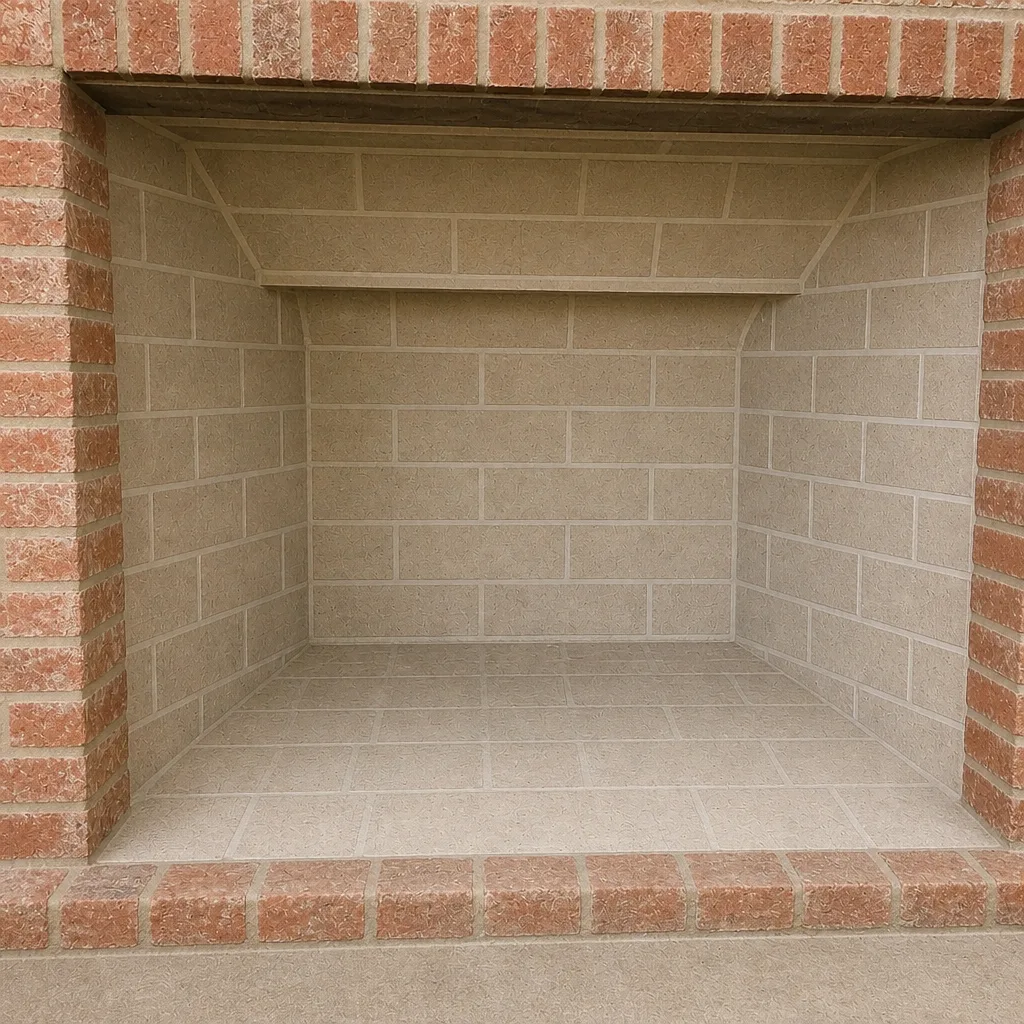
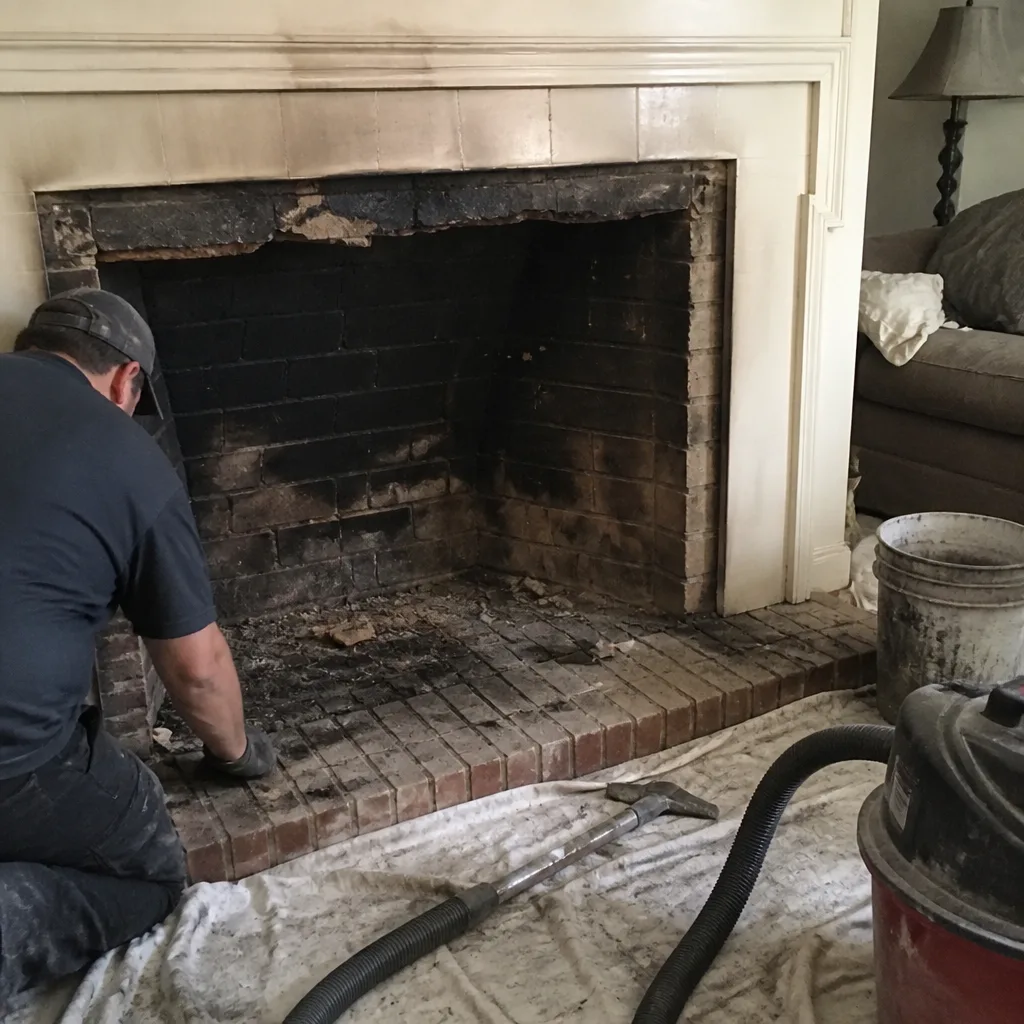
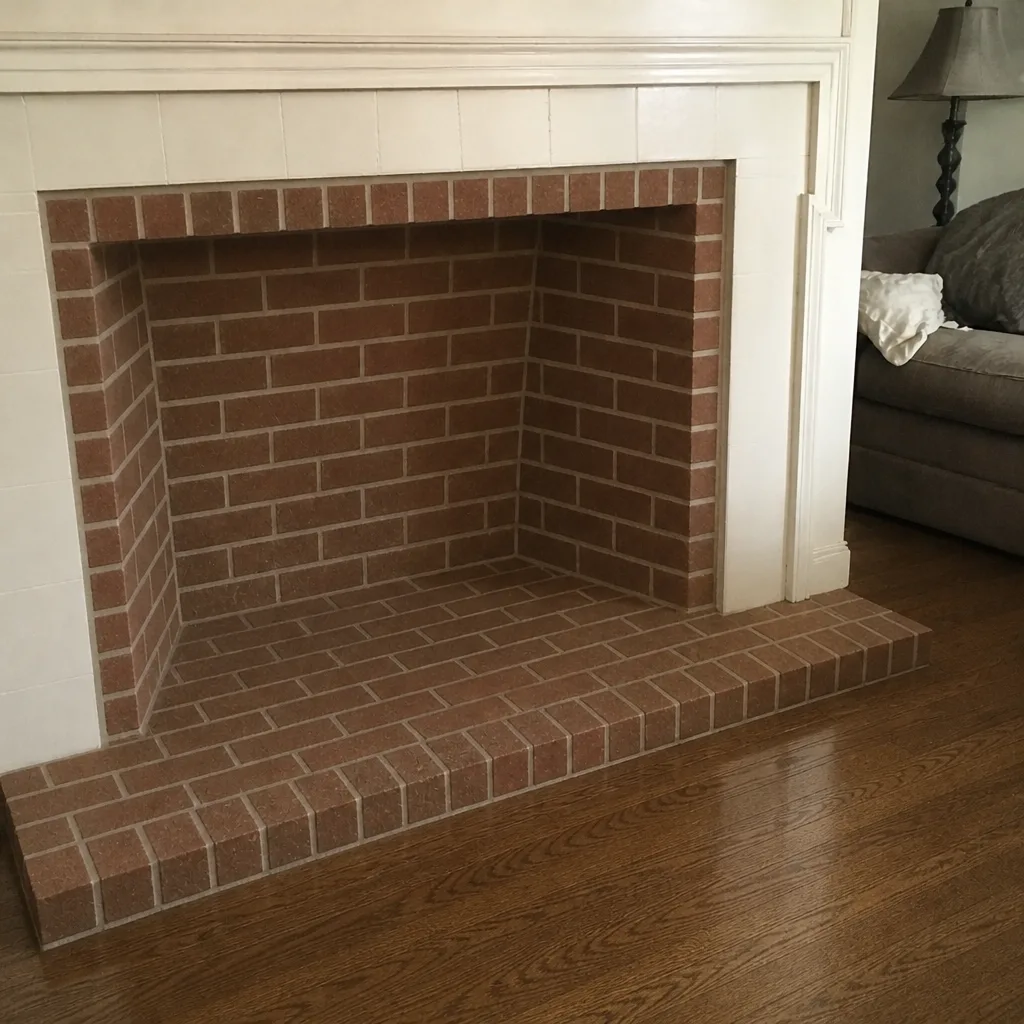
See the difference
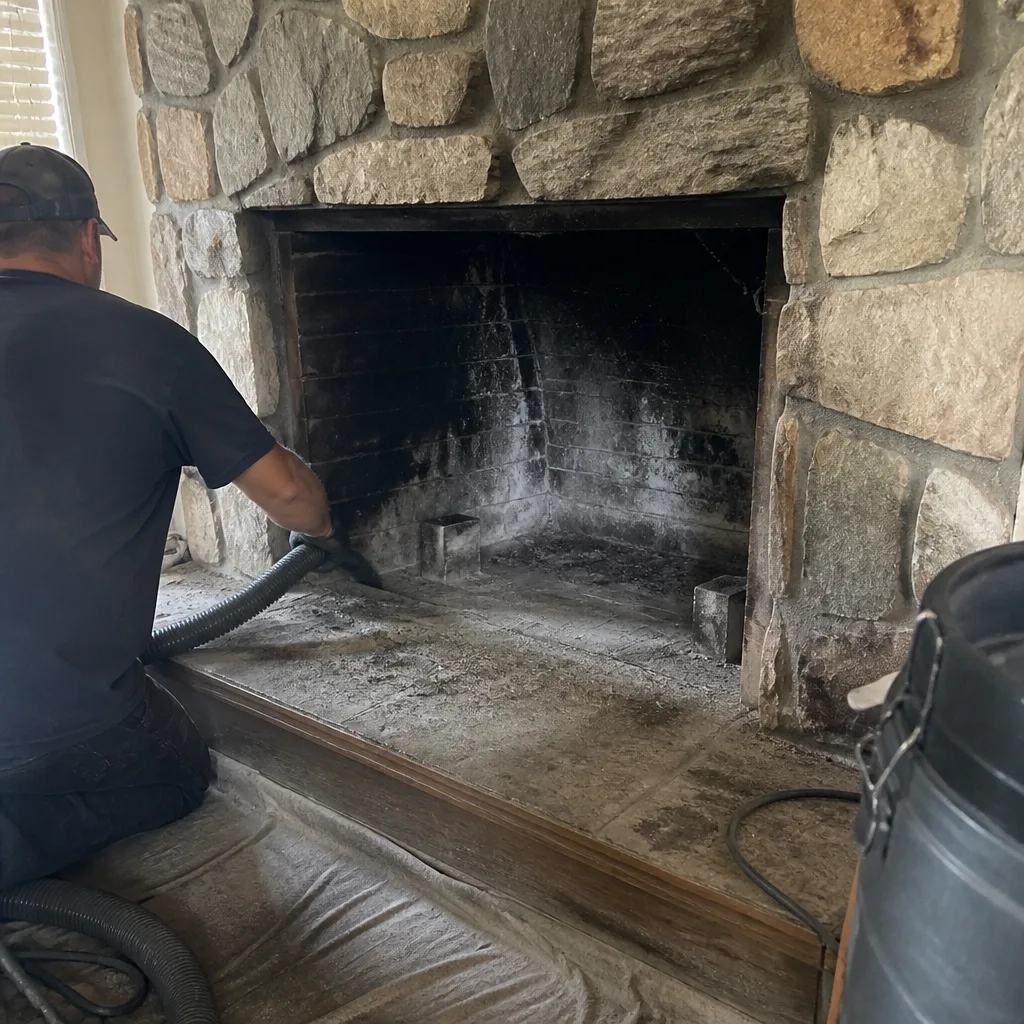 Before
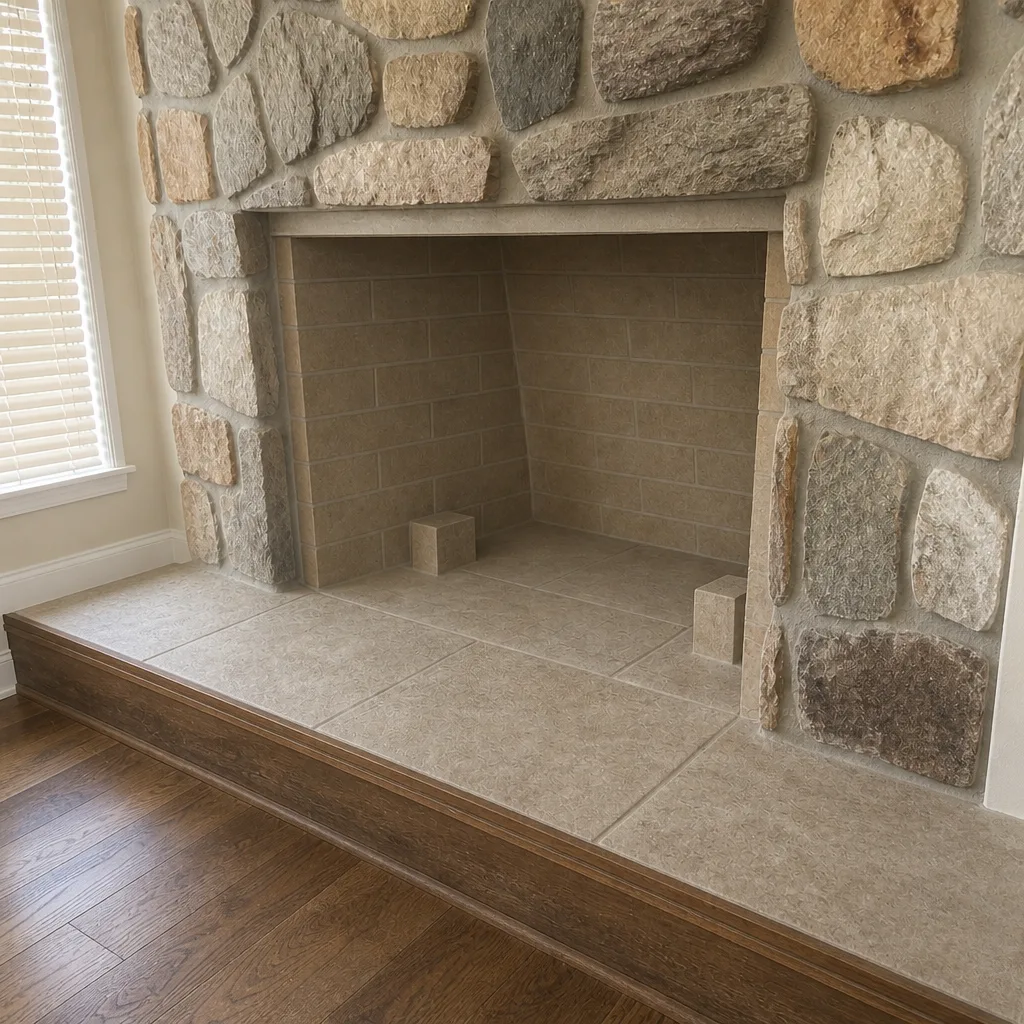 After
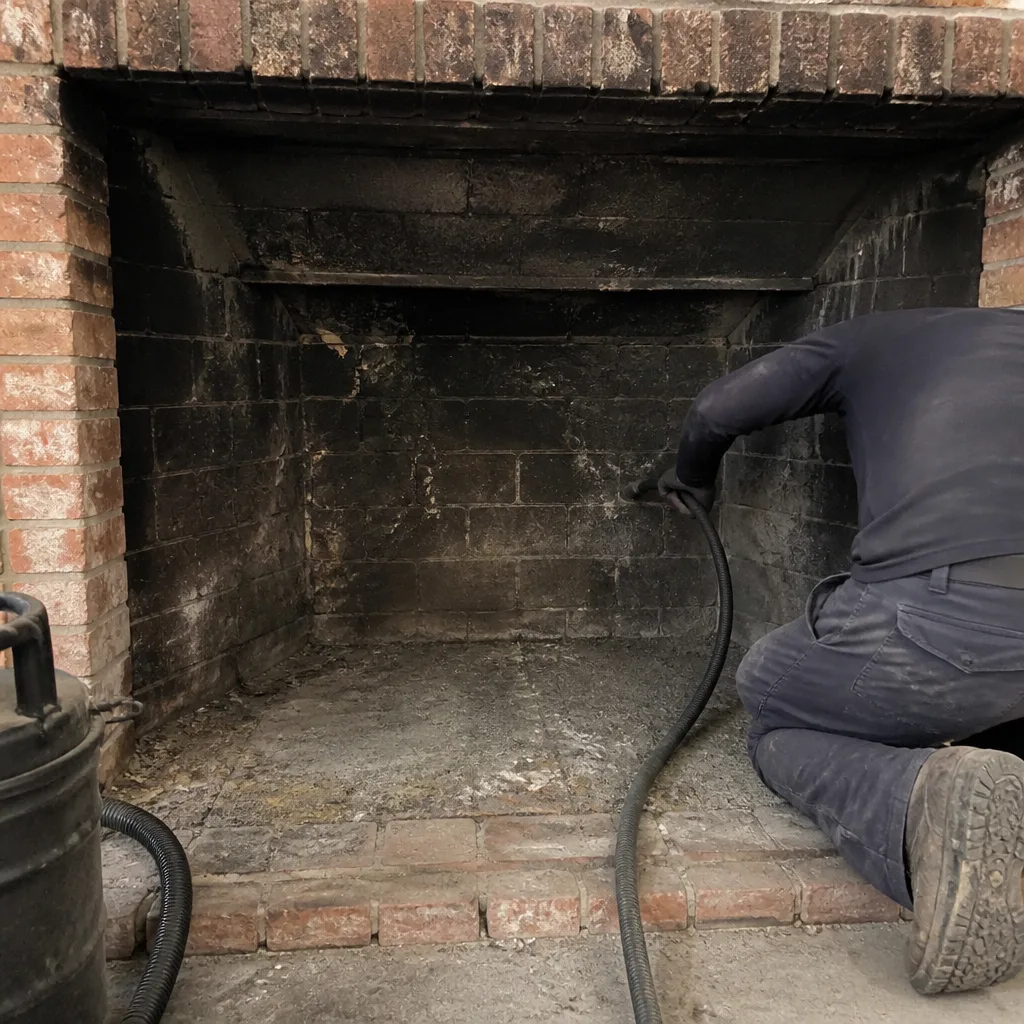 Before
 After
 Before
 After
When to Call a Professional
Call a professional when the chimney has been through a burn season since its last cleaning, when you’ve had a chimney fire, when you see smoke coming back into the room, or when the damper or cap is damaged. Call before the first cold night rather than after it, because the inspection and any repair happen ahead of the season and the urgency is seasonal, not hourly. If the cap is missing, the crown is cracked, or the flue tiles are visibly damaged, those are inspection items, not do-it-yourself projects. A blocked or cracked flue is a carbon monoxide risk, and the flue is the last place to save money.
If you’re not sure whether the chimney needs attention, the inspection settles it. Chimney Sweep Palm Coast offers free estimates in Palm Coast – call (877) 471-4123. We answer 24/7, with fast dispatch from 7am to 7pm. Our technicians have up to experience, and the full loop – inspection, sweeping, and repair – is handled by the same specialist team, so you’re not coordinating three contractors.
Frequently Asked Questions
Chimney cleaning in Palm Coast typically runs a few hundred dollars for a standard sweep and Level 1 inspection on a single-flue masonry chimney. The final price depends on the flue type, the creosote stage, and whether the inspection turns up a repair item, and the written estimate sets the exact figure. Call (877) 471-4123 for an exact quote – estimates are free.
Annual sweeping and inspection is the baseline for a home that burns regularly, and an annual inspection makes sense even for a chimney that sees only a few fires a season. The humid off-season is when mortar and metal components age and the crown and cap degrade, and when a house sits in the winter mild while a chimney’s active use runs through it. Call (877) 471-4123 to book the inspection – estimates are free. We answer 24/7, with fast dispatch from 7am to 7pm.
Not necessarily, and a professional shouldn’t recommend a full liner replacement without evidence. A proper Level 1 or Level 2 inspection (including camera work on the flue interior) is what decides whether the liner is compromised. Sometimes a HeatShield resurfacing of the smoke chamber or a DuraFlex relining is the right call; sometimes the existing liner is fine and the cleaning is the whole job. Call (877) 471-4123 for an exact quote on the inspection – estimates are free.
Skipping the annual visit lets creosote accumulate and lets hidden problems – a cracked crown, a loose cap, softening mortar – go unchecked. The creosote accumulation raises the fire risk in the flue, and the hidden damage can let water into the stack, which is what drives mortar deterioration and eventually a structural repair. The humid climate makes both worse, and a chimney that looks fine can still need attention. Call (877) 471-4123 for an exact quote on the inspection – estimates are free.
No. A proper Level 1 inspection and cleaning of a single-flue masonry system takes closer to 90 minutes, because the setup, the HEPA vacuum, the top-side check of the crown and cap, and the inspection report all take time. If the tech finishes in half that, the inspection and top-side check likely got skipped. Call (877) 471-4123 to book a full visit – estimates are free.
A professional should inspect the firebox, damper, smoke chamber, flue, crown, and cap, then clean the flue and vacuum the firebox and smoke shelf. Beyond the cleaning, they should report on the cap and its spark screen, the crown, the flue tile joints, the damper’s smooth operation, and any creosote staging that changes the cleaning method. The local humidity makes the crown and cap the parts most likely to need replacement. Call (877) 471-4123 for an exact quote on the inspection – estimates are free.
The Bottom Line
Chimney cleaning in Palm Coast is an inspection-first service, not a quick brush. The humid climate works on mortar and metal year-round, so the annual Level 1 inspection and the crown and cap check matter as much as the sweep itself. Creosote staging decides the method, not the calendar, and Stage 2 or 3 deposits call for a chemical treatment or a relining rather than a standard brush. Professional-grade parts from makers like DuraFlex, HeatShield, Famco, and Gelco hold up better than the discount alternative, and the inspection, sweep, and repair belong to one specialist team. Schedule the visit before the burn season, not after.
Contact
Book a chimney inspection and cleaning with Chimney Sweep Palm Coast and get a written estimate after a full inspection – no guesswork, no generic parts. Call (877) 471-4123 for a free estimate. We answer 24/7, with fast dispatch from 7am to 7pm, Sunday through Friday. Find out what your chimney actually needs before the first cold night.
Written by the team at Chimney Sweep Palm Coast.