
Last updated November 16, 2026
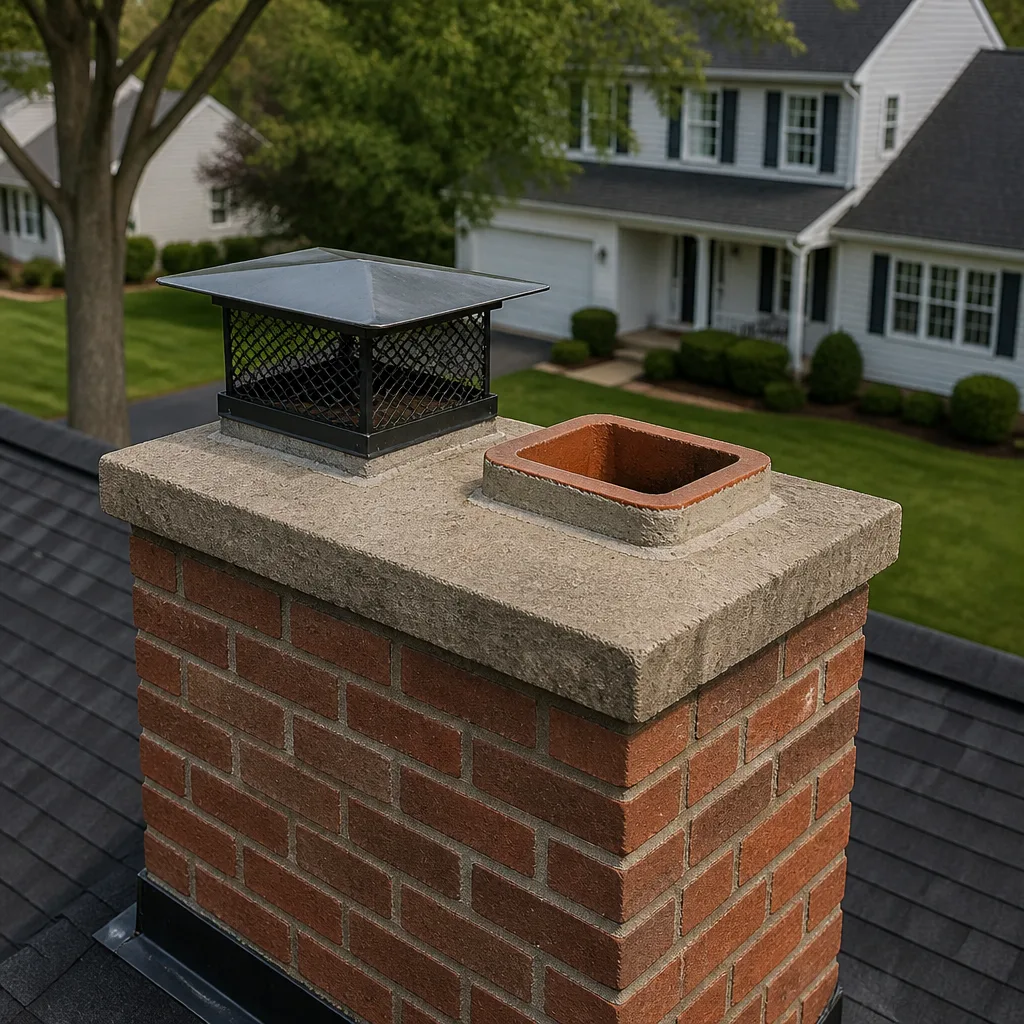 Sweep & inspection
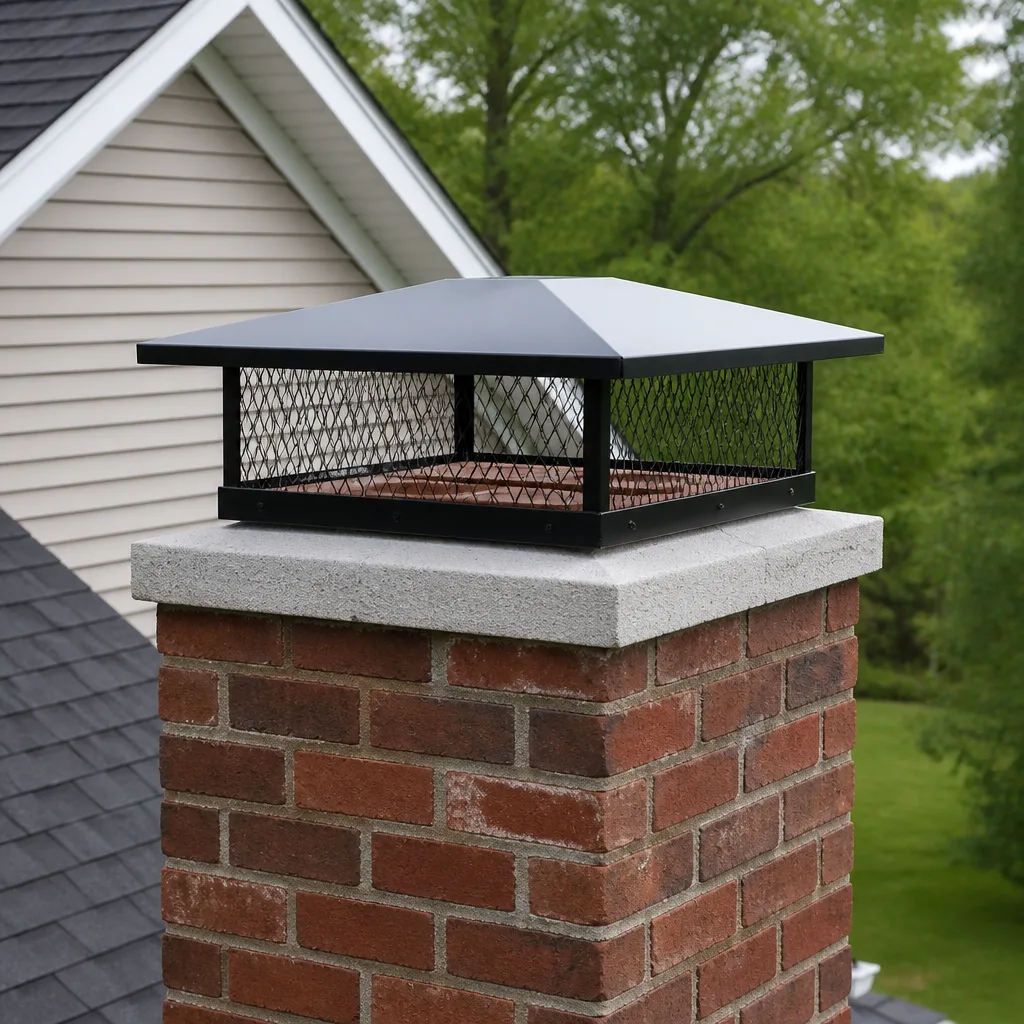 Caps & crowns
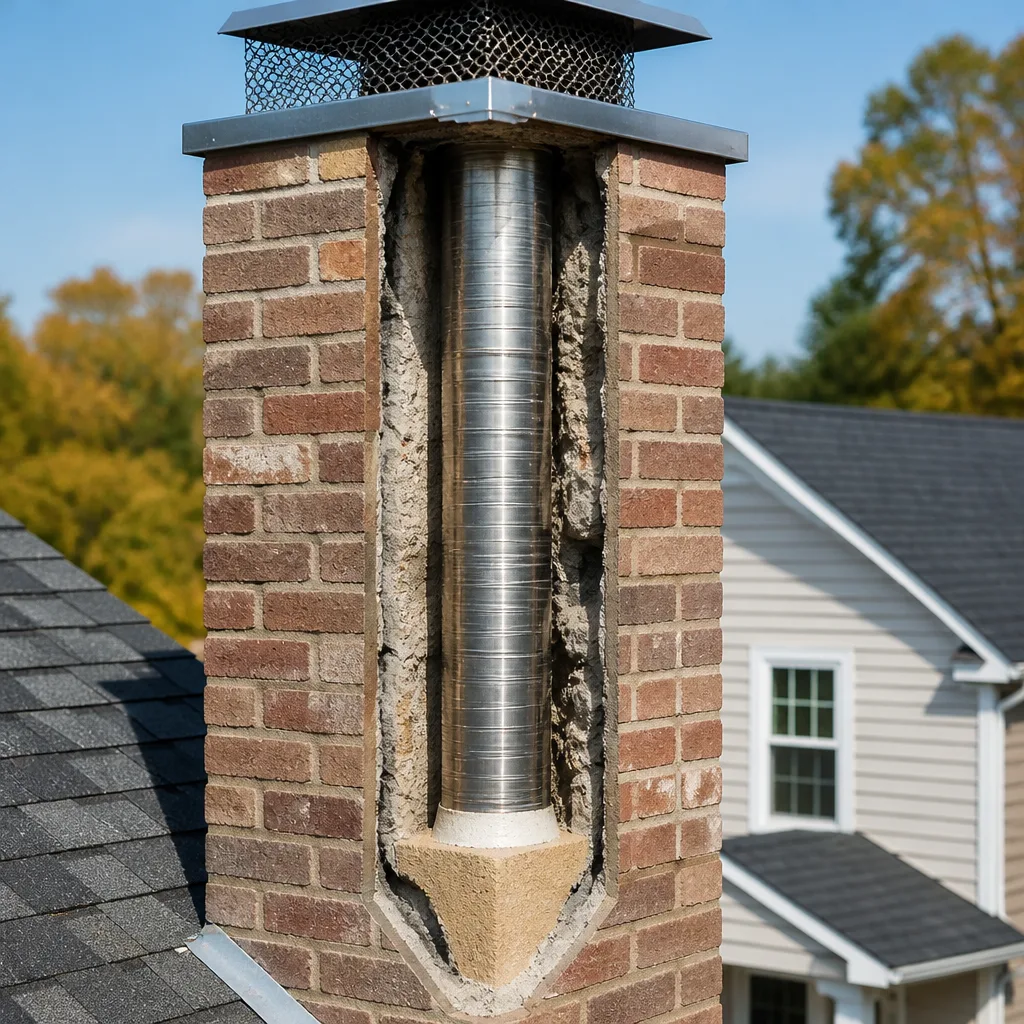 Flue relining
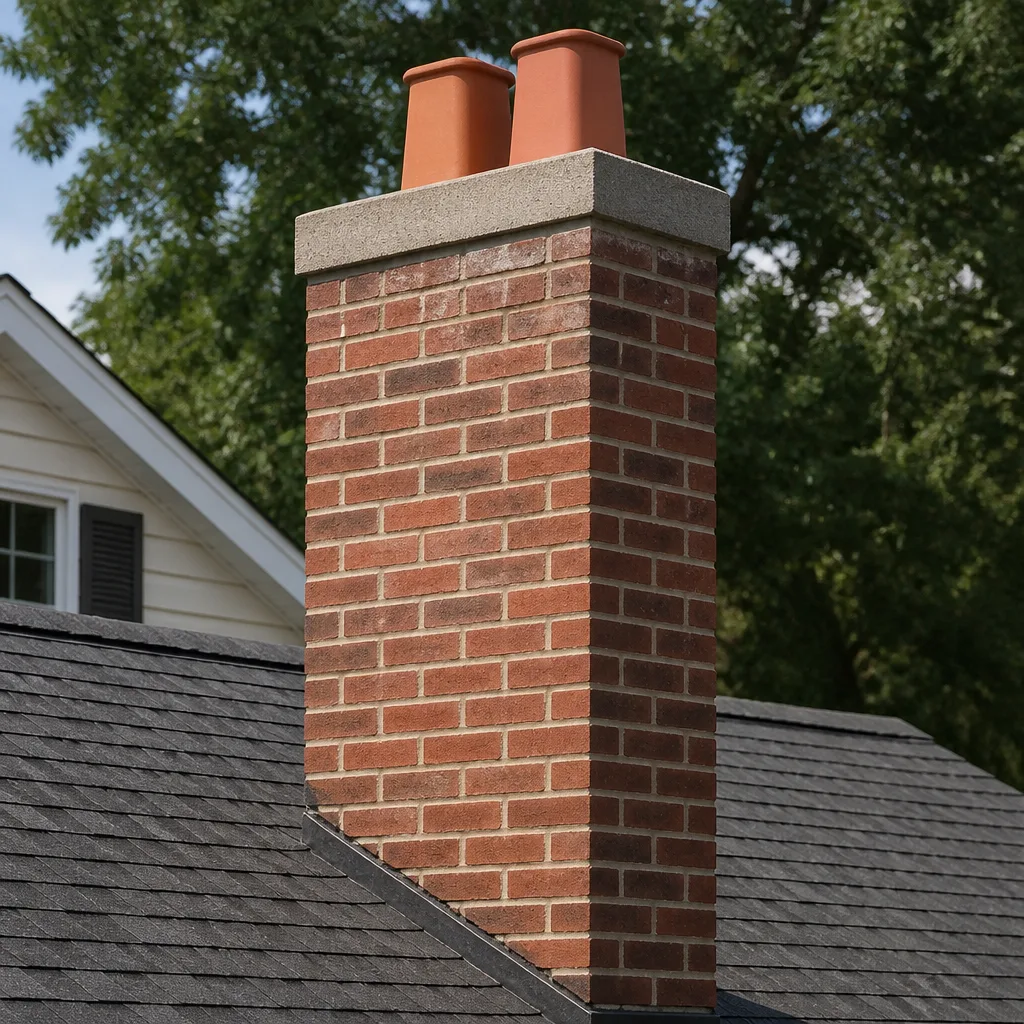 Masonry repair
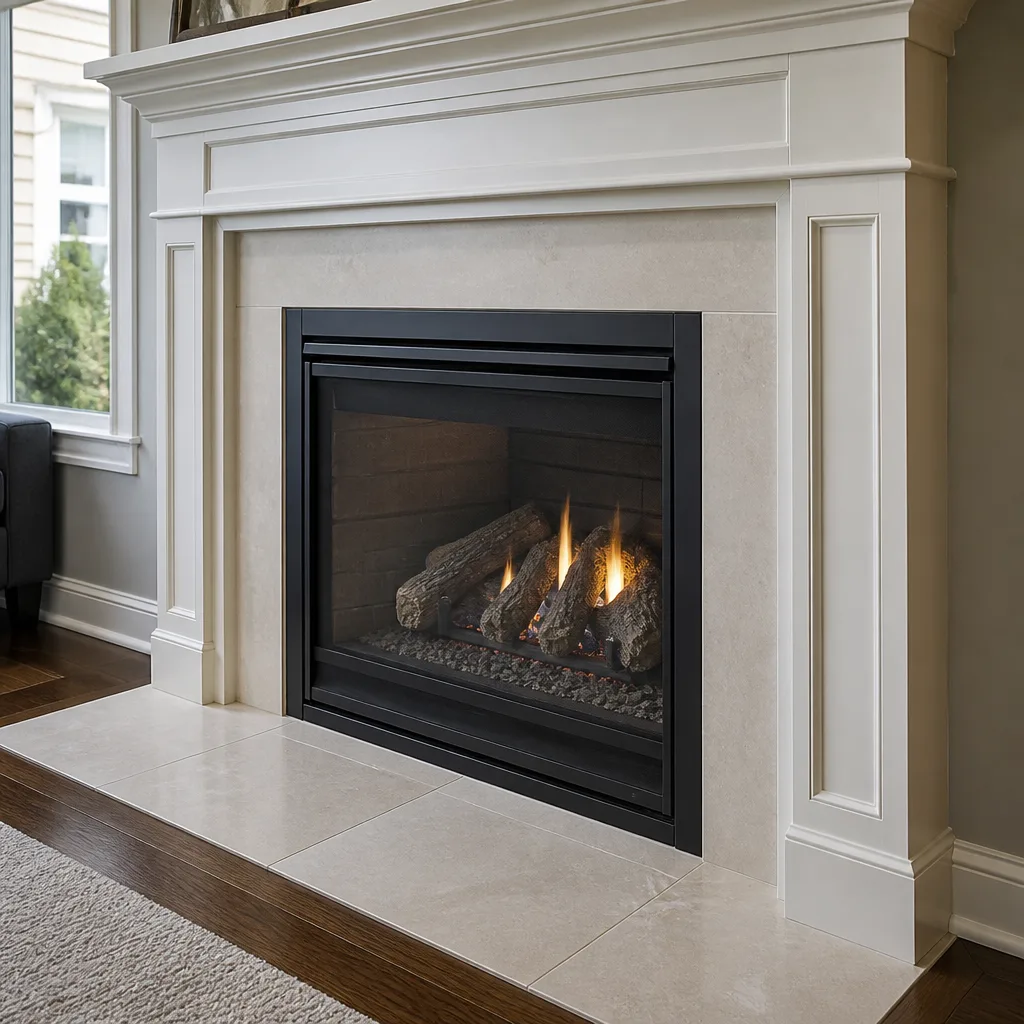 Gas fireplace service
Level 1 sweep and inspection to the NFPA 211 annual standard - flue, crown, cap, and flashing checked and photographed
Chimney sweep logs do not sweep chimneys. They loosen some creosote - which then falls where a brush and vacuum still have to collect it.
Chimney Cleaning Cost Breakdown: The Palm Coast Homeowner’s Reference for 2026
The $99 chimney sweep special you’ll find advertised around Palm Coast typically covers one thing: a brush pass through the flue. It doesn’t include a camera inspection, a Level 1 assessment, or any documentation of what was found, and it won’t satisfy your insurance company if a chimney fire occurs. That gap between a cheap brush-and-go and a real professional service is where most of the confusion about chimney cleaning pricing lives. This guide breaks down what each price tier in the Palm Coast market actually includes and excludes, how creosote stage and appliance type change the number, and what professional-grade materials cost when the inspection turns up a repair.
Quick Answer
Chimney cleaning in Palm Coast typically runs $99 – $175 for a basic sweep, $175 – $275 for a Level 1 inspection plus sweep, and $300 – $450 for a Level 2 video inspection. Stage 2 or Stage 3 creosote can add $50 – $150 in chemical treatment to a standard job. Repairs, when needed, are priced separately and set by a written estimate.
Styles & brands we work with
- Sweep & inspection
- Caps & crowns
- Flue relining
- Masonry repair
- Gas fireplace service
Table of Contents
- What Do the Main Price Tiers Actually Include?
- How Does Creosote Stage Affect Cleaning Cost?
- Why Do Palm Coast Gas Log Inserts Cost Differently to Clean?
- What Do Chimney Repairs Cost When They’re Needed?
- What Are the Red Flags in a Low-Ball Quote?
- How Often Should a Palm Coast Chimney Be Cleaned?
- What Happens During an Inspection, Step by Step?
- Common Mistakes to Avoid
What Do the Main Price Tiers Actually Include?
Each price tier in Palm Coast chimney cleaning buys a different scope of work, not a different profit margin. A basic sweep clears what’s in the flue. An inspection plus sweep adds an assessment of the appliance and venting. A Level 2 video inspection adds a camera record of surfaces a brush can’t reach. Knowing what sits inside each tier is the whole game when you’re comparing quotes.
Here’s how the four common tiers break down on a typical Palm Coast job:
| Tier | Typical Estimate | What It Includes |
|---|---|---|
| Basic sweep | $99 – $175 | Brush pass through the flue, ash cleanup at the firebox, visual check of what’s visible |
| Level 1 inspection + sweep | $175 – $275 | Sweep plus a Level 1 assessment of accessible chimney and venting components, with a basic written summary |
| Level 2 video inspection | $300 – $450 | Camera scan of the flue interior, photo documentation, written report, often required for a sale or after a chimney fire |
| Level 2 + sweep | $400+ | Video inspection combined with cleaning, documentation of both the before and after condition |
A basic sweep is a legitimate service when the flue is already known to be in good shape and the goal is simply to clear soot and creosote before the next season. What it does not do is verify the liner, the crown, the cap, or the firebox condition beyond a quick look. That verification is what the middle tier adds, and it’s the tier most Palm Coast homeowners actually need if they haven’t had the chimney looked at in a while.
Level 2 video inspection is the tier that produces documentation. If you’re selling a home, buying one, or your insurer has asked for a chimney condition report, this is the scope that answers the question. When you book a chimney sweep with us, we tell you plainly which tier your situation calls for before we schedule anything. Nothing is recommended that the camera doesn’t show you on screen.
How Does Creosote Stage Affect Cleaning Cost?
Creosote stage is the single biggest variable in cleaning cost, and it’s the one most homeowners never hear about until the technician opens the flue. Stage 1 creosote is a light, flaky soot that brushes out cleanly with standard tools. Stage 2 is a glazed, tar-like deposit that resists a brush. Stage 3 is a hardened, fuel-rich crust that can reignite and cause a chimney fire. The harder the deposit, the more time, chemical treatment, and tooling the job requires.
Stage 2 deposits commonly add $50 – $150 to a standard Palm Coast sweep, and Stage 3 can push it higher because the cleaning may span more than one visit. Our technicians use professional chemical treatments such as ACS to soften glazed creosote before sweeping, which is why the price rises with the severity of the buildup rather than the size of the flue.
Local climate is one reason creosote behaves the way it does here. Winters in Palm Coast are mild, which means fireplaces often run intermittently across a long season rather than in steady cold-weather use. Cooler, smoldering fires produce more unburned wood gas, and that gas condenses on the flue walls as creosote. A fire that’s been banked overnight or run at low output is a bigger creosote producer than a hot, active burn.
- Stage 1: Light, flaky soot. Standard sweep handles it. No treatment surcharge.
- Stage 2: Glazed, tar-like deposit. Chemical treatment added, typically $50 – $150.
- Stage 3: Hardened, fuel-rich crust. Higher fire risk, often multiple visits.
Severity also informs the recommendation. A Stage 2 flue may need nothing more than a thorough chemical-assisted sweep. A Stage 3 flue may reveal cracks or liner damage underneath once the deposit comes off, and that’s when repair pricing enters the picture. We don’t guess at that. The camera shows it, and the estimate reflects exactly what’s found.
Why Do Palm Coast Gas Log Inserts Cost Differently to Clean?
A gas log insert is not a wood-burning fireplace with the fuel swapped out. The venting, the burners, the logs, and the service routine are all different, and a gas appliance doesn’t need the same creosote removal a wood fire does. What a gas log set does need is attention to the venting path, the burner ports, and the pilot components, which is a different task with a different price.
Gas log cleaning in Palm Coast typically sits at the lower end of the range because there’s no creosote to fight, but a proper visit is not a wipe-down. It includes checking that the venting is clear and correctly connected, inspecting the burner for debris or insect intrusion, confirming the pilot and thermocouple are functioning, and looking for signs of incomplete combustion. That last check matters. A blocked or dirty vent on a gas appliance can allow carbon monoxide into the home, which is a health risk that has nothing to do with how clean the firebox looks.
Many Palm Coast homes that began as wood-burning were later fitted with gas logs, and that conversion history changes the cleaning picture. If we don’t know whether the original flue was lined to suit a gas appliance, the inspection step is what tells us. A venting setup that worked for wood may not be correct for gas, and vice versa. We check the whole system before we recommend anything.
For homes that still burn wood, the cleaning routine includes a full flue sweep and creosote assessment. For gas, it’s venting, burners, and combustion safety. Both are legitimate chimney services, and both are priced per job with the scope written down. If you’ve also inherited a masonry chimney of uncertain vintage, that’s where a chimney repair assessment often enters the conversation, because the brickwork and crown condition matter regardless of fuel type.
What Do Chimney Repairs Cost When They’re Needed?
Repair pricing is separate from cleaning pricing, and in our experience it’s where homeowners feel the most pressure to spend without understanding why. The way we handle it is simple: nothing is recommended without camera evidence you can see for yourself, and we tell you plainly when a repair can safely wait. Cleaning clears the flue. Repair addresses the structure. Combining them in one visit is often the most efficient route, but only when the inspection shows a genuine need.
Here’s what the common repairs look like in scope and roughly what drives the price:
- Chimney liner replacement – When the existing clay tile liner has cracked or separated, a new stainless liner is the fix. We install DuraFlex liner systems. Liner pricing is per foot of flue and varies with height, diameter, and complexity, and the written estimate sets the final number.
- Liner resurfacing with HeatShield – Where the liner is still sound enough to repair rather than replace, HeatShield resurfacing rebuilds the interior surface in place. Pricing is per linear foot and depends on the condition found. This is a material-specific capability, not every sweep offers it.
- Chimney cap replacement – A damaged or missing cap lets water, animals, and debris into the flue. We install Gelco and Famco caps, chosen because they hold up and manage draft and moisture correctly. Cap pricing depends on the size and style of the flue opening.
- Crown repair – The crown sheds water off the top of the masonry. A cracked crown allows water into the brick and is often the root of a larger problem. Repair scope varies with the extent of the cracking.
The cost difference between a liner resurface and a full liner replacement is substantial, and the honest answer is that only the inspection can tell you which one applies. We source components from Olympia Chimney and Copperfield because those supply networks carry specialty parts that generic suppliers don’t stock, which means an uncommon flue size is a solvable problem rather than a dead end. Professional-grade materials at a residential scale is the value here, not a bargain-bin substitute.
Pricing on any of these repairs is set per job by the written estimate. We don’t quote a liner or a crown repair without having documented the condition first.
What Are the Red Flags in a Low-Ball Quote?
A quote that lands well under the Palm Coast ranges above isn’t automatically a bad deal, but it usually means something has been left out of the scope. The most reliable warning signs are easy to spot if you know what to look for. The downstream cost of a shortcut often shows up months or years later, when the flue condition has quietly worsened.
- No camera inspection. If the technician never looks inside the flue with a camera, nobody knows what the liner condition actually is. A brush pass alone can’t see a cracked tile or a separated joint.
- No written report. A verbal “all good” leaves you with nothing to show an insurer or a buyer. Ask for the report in writing before the job is closed out.
- No CSIA credentials. Chimney sweeps should hold certification through the Chimney Safety Institute of America. Ask for it. A qualified sweep will have no trouble answering the question.
- No itemized scope. “Sweep and inspect” is not a scope. The quote should break out what the sweep covers, what the inspection covers, and what isn’t included.
- Pressure to decide on the spot. If a repair is genuinely urgent, the camera evidence makes that case without a sales pitch. If the evidence isn’t shown, the urgency is unverified.
- A price that doesn’t include ash cleanup or disposal. A low quote may assume you’ll handle the mess and the ash removal yourself. Confirm what’s actually being cleaned up.
The downstream cost of these shortcuts is not hypothetical. A flue that wasn’t camera-inspected can harbor a cracked liner that goes undetected until a fire, a moisture problem, or a failed home inspection forces the issue. We’ve seen that sequence play out, and the repair that follows is almost always more expensive than the inspection that would have caught it. The full loop under one company means the same specialist team that inspects and sweeps is the one that repairs, so workmanship stays consistent across every phase. For a broader look at what we do across Palm Coast, you can see the full range of chimney services we offer.
How Often Should a Palm Coast Chimney Be Cleaned?
The standard guidance is that a chimney should be inspected once a year and swept when the creosote buildup reaches about one-eighth of an inch, or roughly once a cord of wood burned. In Palm Coast’s mild climate, where fireplaces often run intermittently across a long season, that annual inspection matters more than any fixed sweep calendar. The inspection tells you whether this year’s sweep is actually necessary, which is information a calendar can’t provide.
Several local factors push homeowners toward annual inspection even when burning is light:
- Intermittent burning. A fire that’s used a few evenings a week through the cooler months produces more creosote per cord than a fire burning steadily, because smoldering fires condense more unburned gas on the flue walls.
- Humidity and moisture. Palm Coast’s humidity can affect masonry and the crown. Water entering through a cracked crown or a missing cap accelerates deterioration long before it becomes visible inside the home.
- Gas appliance safety. A gas appliance doesn’t produce creosote, but it can develop venting or combustion problems over time, and an annual check is how those get caught early.
- Insurance and real estate. Many insurers and most home sales ask for a documented inspection. A Level 2 report from this year answers that request; a verbal check doesn’t.
For a wood-burning fireplace in Palm Coast, the practical answer is inspect annually and sweep whenever the inspection or the builup level calls for it. Skipping a year is a gamble that the creosote has stayed under the threshold, and there’s no way to confirm that without looking. If you’ve been burning regularly and it’s been more than a year, book the inspection before the next burning season rather than after.
What Happens During an Inspection, Step by Step?
An inspection is the foundation of every recommendation we make, so it’s worth knowing the sequence. The steps below are what a Level 2 video inspection involves from start to written report. None of it requires you to understand the technical details in advance; the point is that you end up with documentation and a clear answer on what, if anything, needs attention.
- Visual walkthrough of accessible components. The technician checks the firebox, damper, smoke chamber, and the exterior of the chimney where it’s visible, looking for obvious damage, gaps, or moisture staining.
- Camera scan of the flue interior. A camera runs the length of the flue, recording the liner condition, joints, and any cracks, gaps, or heavy creosote. You see the footage as it’s captured.
- Cap and crown check. The top of the chimney is examined for a secure cap, a sound crown, and any signs of water intrusion. A missing or damaged cap is one of the most common findings.
- Burn assessment. The technician evaluates creosote stage and identifies any draft or venting issues.
- Written report. You receive a report documenting what was found, with photos. If a repair is needed, the report shows the evidence behind it.
- Estimate, if work is required. Any repair is quoted in writing, per job, with the scope itemized. You’re told what’s urgent and what can safely wait.
The whole point of this sequence is to replace guesswork with evidence. If you need a chimney swept and seen by a specialist, our Chimney Sweep Palm Coast team handles inspection, sweeping, and repair as one service. Our technicians have up to experience, and they’ll walk you through the findings before any recommendation is made.
Common Mistakes to Avoid
- Booking on price alone. The cheapest sweep in Palm Coast is often a brush pass with no camera and no report. You save a little now and risk paying for a missed liner problem later.
- Skipping the annual inspection because the fireplace burns fine. A flue can hold a cracked liner and still draft normally. Draft is not a proxy for condition.
- Letting a missing cap go unfixed. Palm Coast humidity and rain find their way into an open flue. A cap is one of the least expensive protections on the whole chimney.
- Burning treated or wet wood. Treated lumber and unseasoned wood produce more creosote and creep closer to the Stage 2 threshold faster than dry, seasoned hardwood.
- Ignoring a gas appliance’s venting because there’s no creosote. Gas logs don’t create soot problems, but a blocked vent is a carbon monoxide risk. Annual checks apply here too.
- Accepting a large repair recommendation without camera evidence. If you can’t see what’s being pointed at, don’t approve the work. It’s reasonable to ask to see it before you commit.
- Assuming a real estate inspection is the same as a maintenance inspection. A point-of-sale inspection serves the transaction. Routine maintenance serves you. Both are valid, but they answer different questions.
See the difference
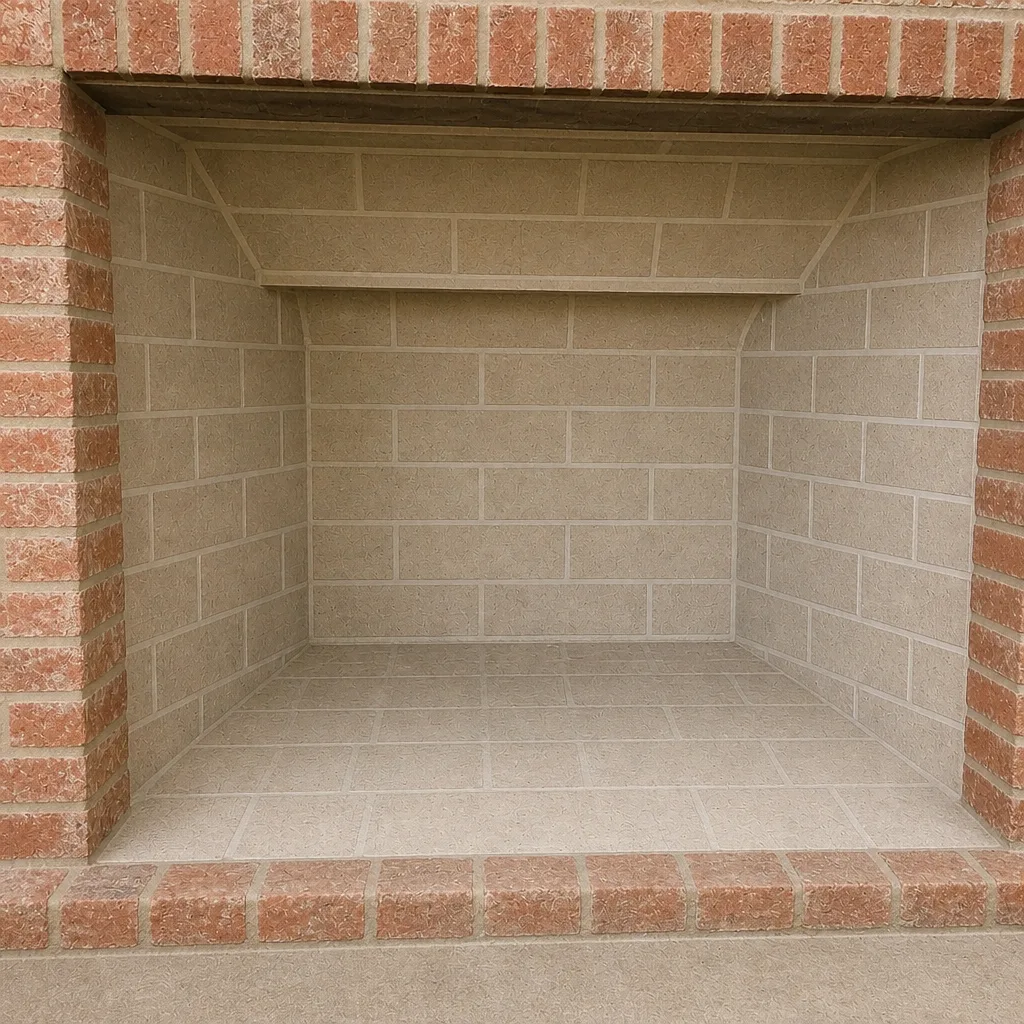
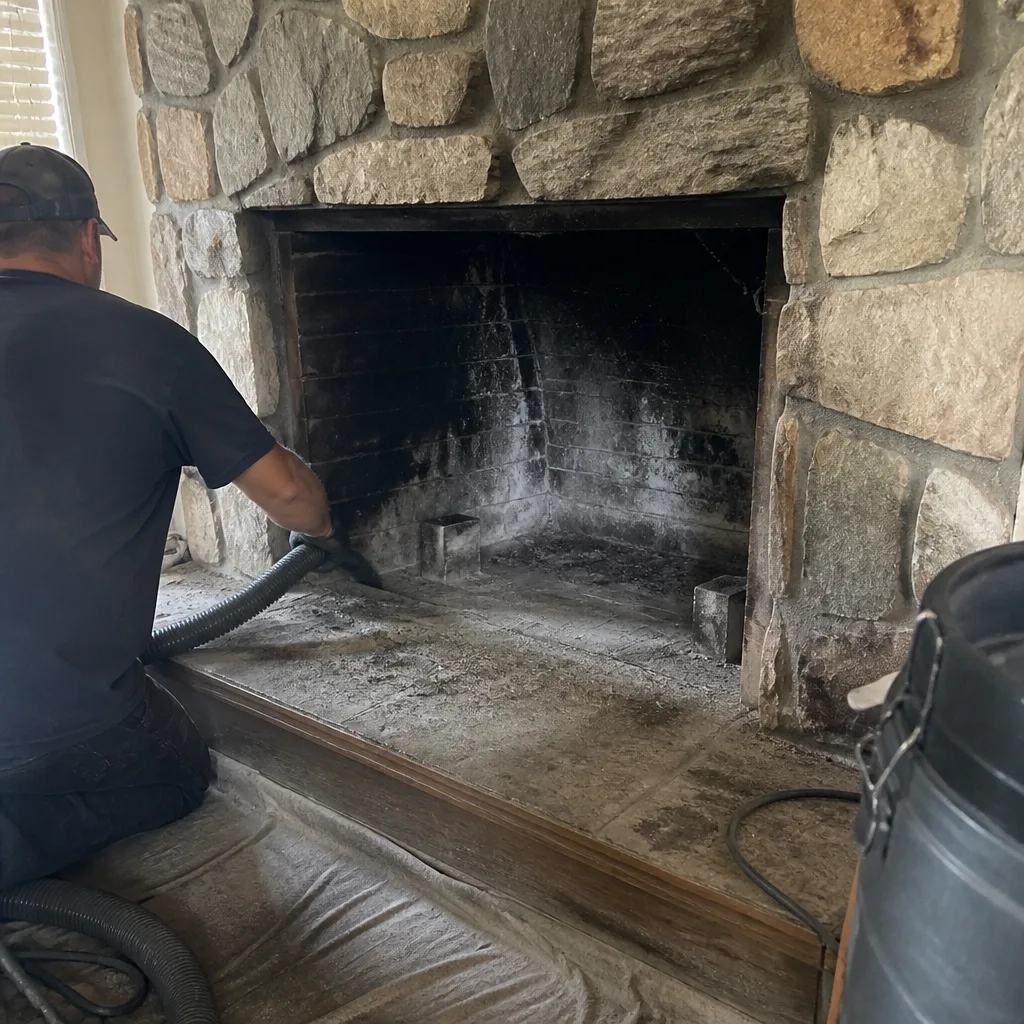 Before
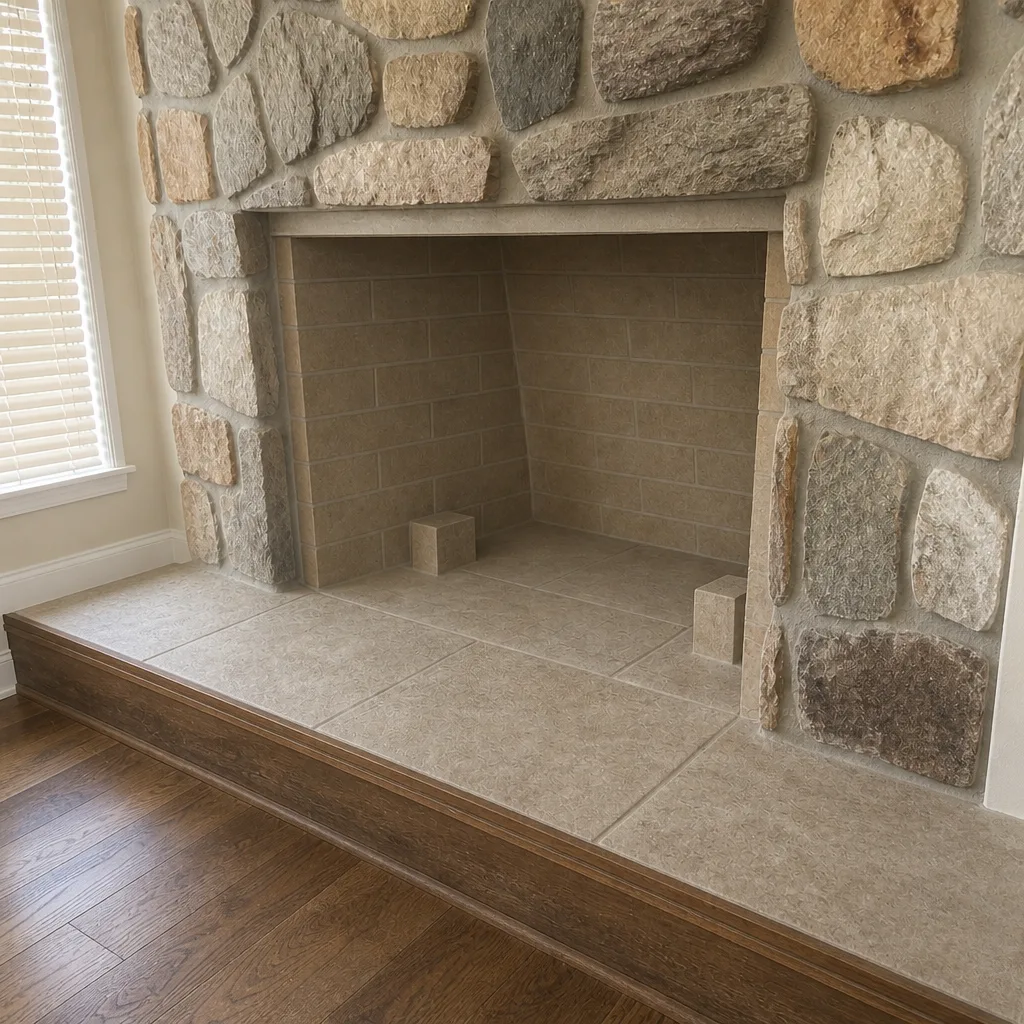 After
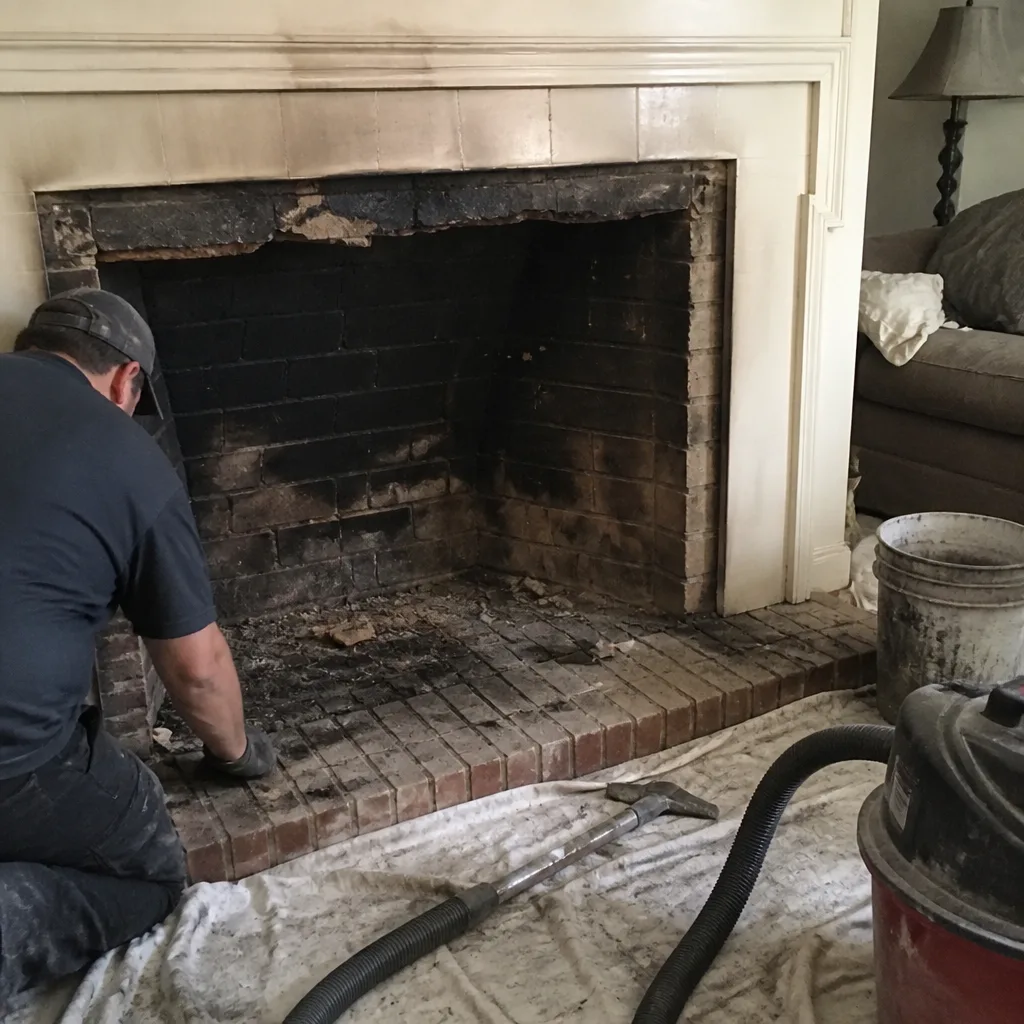
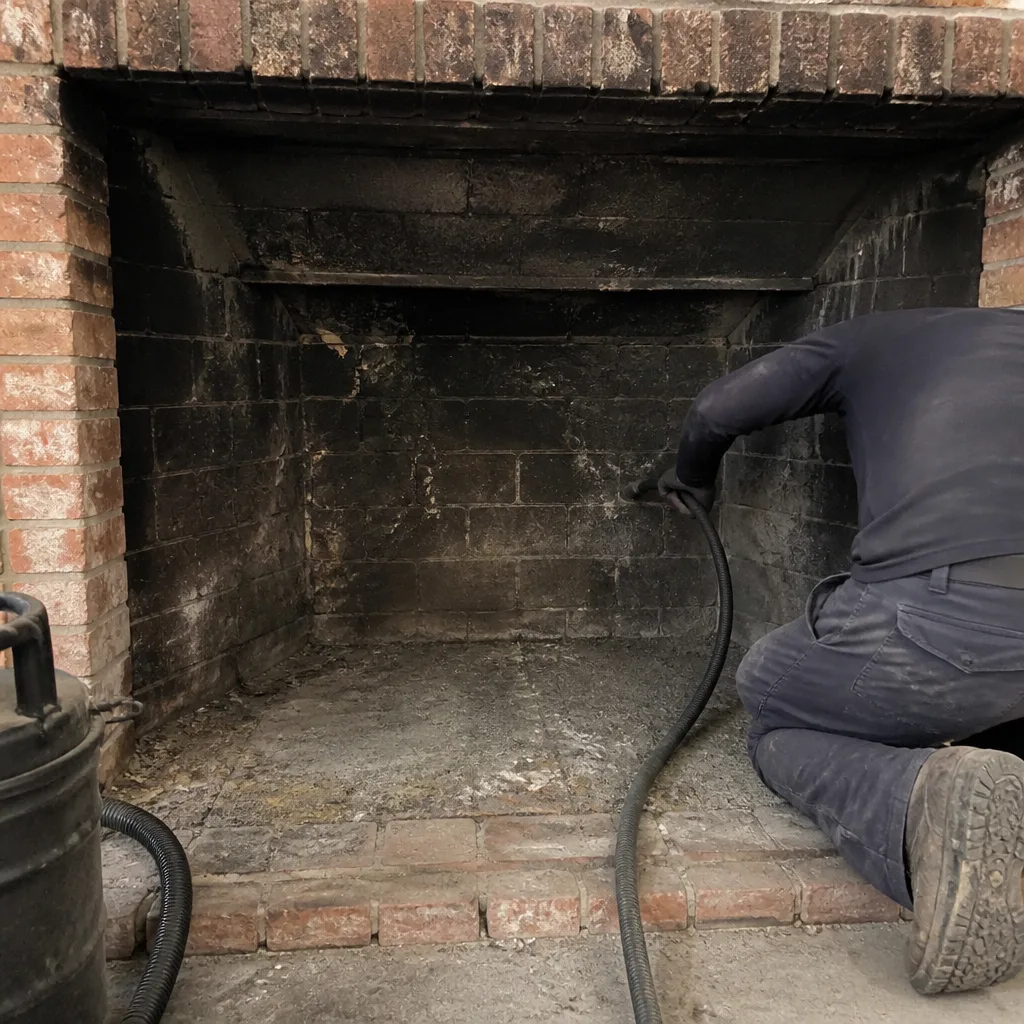 Before
 After
 Before
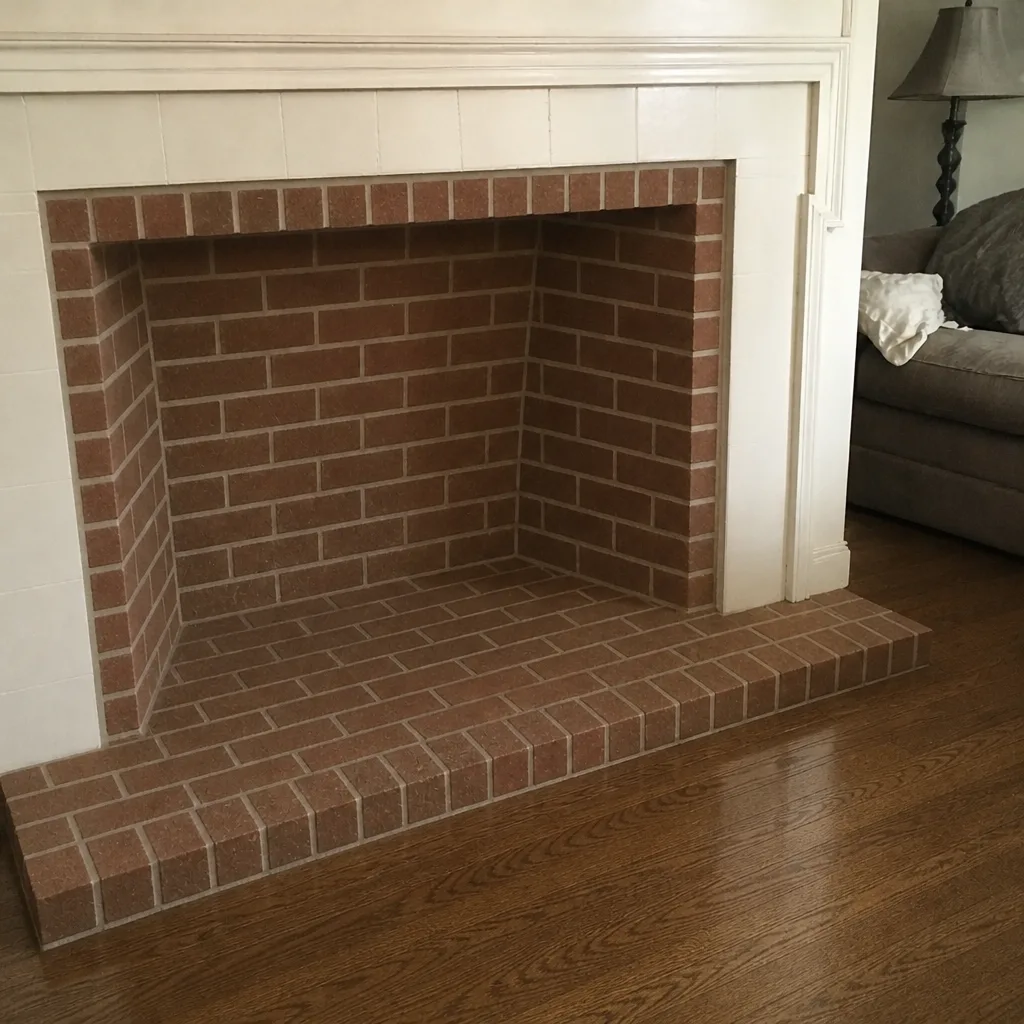 After
When to Call a Professional
Call a professional sweep when you smell smoke in the house with the damper open, when the fire burns poorly with a weak draft, when you see heavy, glazed creosote on the flue walls, or when it’s been more than a year since the chimney was inspected. Call right away if there’s been a chimney fire, even a small one, because the flue should not be used again until it’s been inspected. A damaged cap, a cracked crown, or a rusted damper also warrant a professional look. Chimney Sweep Palm Coast offers free estimates in Palm Coast, and we’ll tell you honestly whether you need a sweep, an inspection, or a repair, and when something can safely wait. Call (877) 471-4123. We answer 24/7. Fast dispatch from 7am to 7pm, Sunday through Friday.
Frequently Asked Questions
A basic chimney sweep in Palm Coast typically costs $99 – $175, while a Level 1 inspection plus sweep runs $175 – $275 and a Level 2 video inspection runs $300 – $450. Creosote treatment adds $50 – $150 when the deposit is glazed. Call (877) 471-4123 for an exact quote – estimates are free.
Only if the inspection shows the existing liner has cracked, separated, or deteriorated past the point where resurfacing will hold. Many liners that look suspect from the outside are still sound enough for HeatShield resurfacing rather than full replacement, and the camera evidence is what tells us which applies. We won’t recommend a liner without showing you the condition on screen. Call (877) 471-4123 to book an inspection – estimates are free.
A chimney should be inspected once a year and swept whenever creosote builds to about one-eighth of an inch, or roughly once a cord of wood burned. In Palm Coast’s mild, intermittent burning climate, annual inspection matters more than any fixed sweep calendar. Call (877) 471-4123 to schedule yours – estimates are free.
Skipping annual inspection lets a cracked liner, a failing crown, or heavy creosote go undetected, and each of those raises the risk of a chimney fire or a carbon monoxide problem with a gas appliance. The repair that follows usually costs more than the inspection that would have caught it early. Call (877) 471-4123 for an inspection – estimates are free.
A gas log insert produces no creosote, so there’s no glazed buildup to remove, which keeps the service cost lower. A proper visit still checks the venting, burners, and combustion safety, and those checks are what protect against carbon monoxide. Call (877) 471-4123 to book a gas appliance inspection – estimates are free.
A $99 sweep special buys a brush pass and usually nothing else: no camera inspection, no written report, and no creosote assessment. It can be fine for a flue already known to be sound, but it won’t document condition or satisfy an insurer after a chimney fire. We’ll tell you upfront which scope your chimney actually needs. Call (877) 471-4123 – estimates are free.
The Bottom Line
Chimney cleaning prices in Palm Coast range from $99 for a bare-bones brush pass to $400+ for a full video inspection with documentation, and the difference is scope, not markup. A basic sweep clears the flue. A Level 1 inspection plus sweep verifies condition. A Level 2 video inspection documents it. Creosote stage adds $50 – $150 when treatment is needed, and gas log inserts cost less to service but still require annual venting and combustion checks. When repairs come up, DuraFlex liners, HeatShield resurfacing, and Gelco and Famco caps are the professional-grade materials we use. Nothing is recommended without camera evidence you can see. Call (877) 471-4123 for a free estimate and a straight answer on what your chimney actually needs.
Written by the team at Chimney Sweep Palm Coast.