
Last updated November 16, 2026
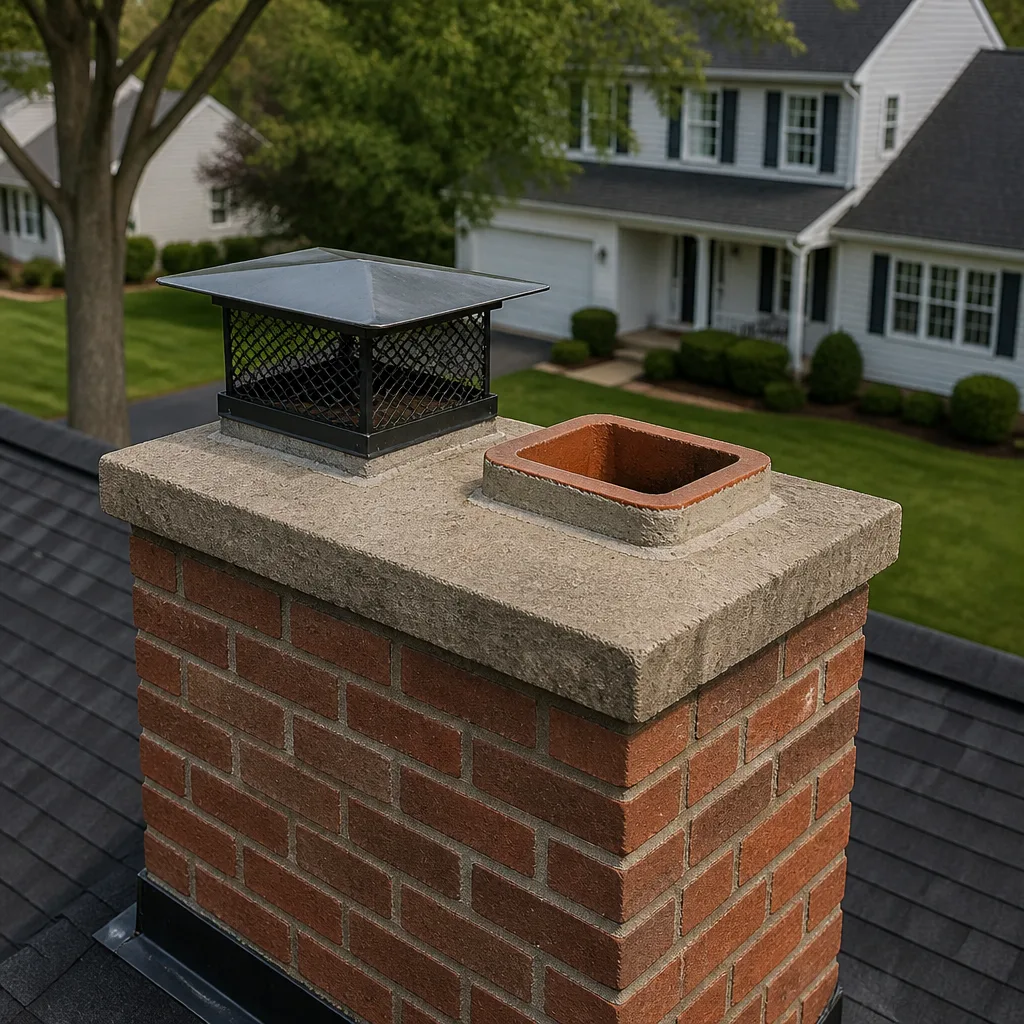 Sweep & inspection
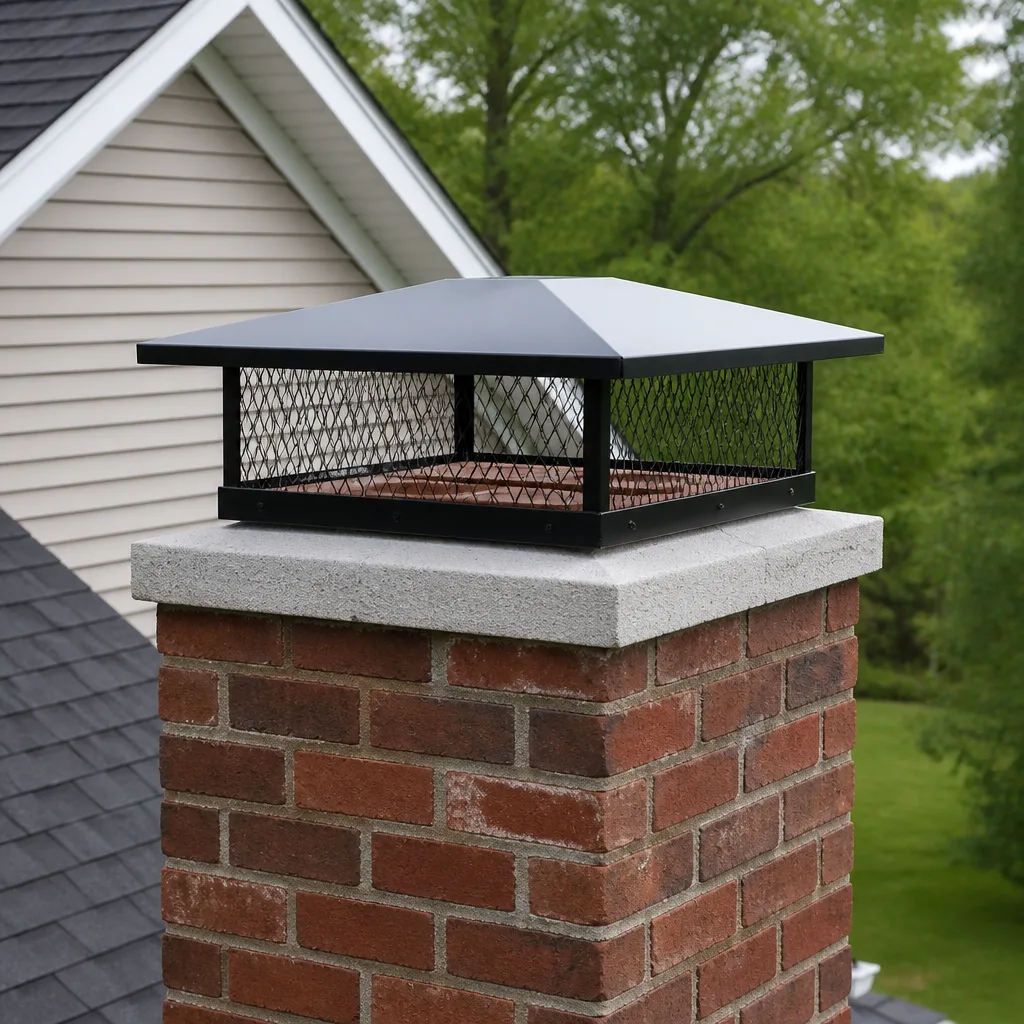 Caps & crowns
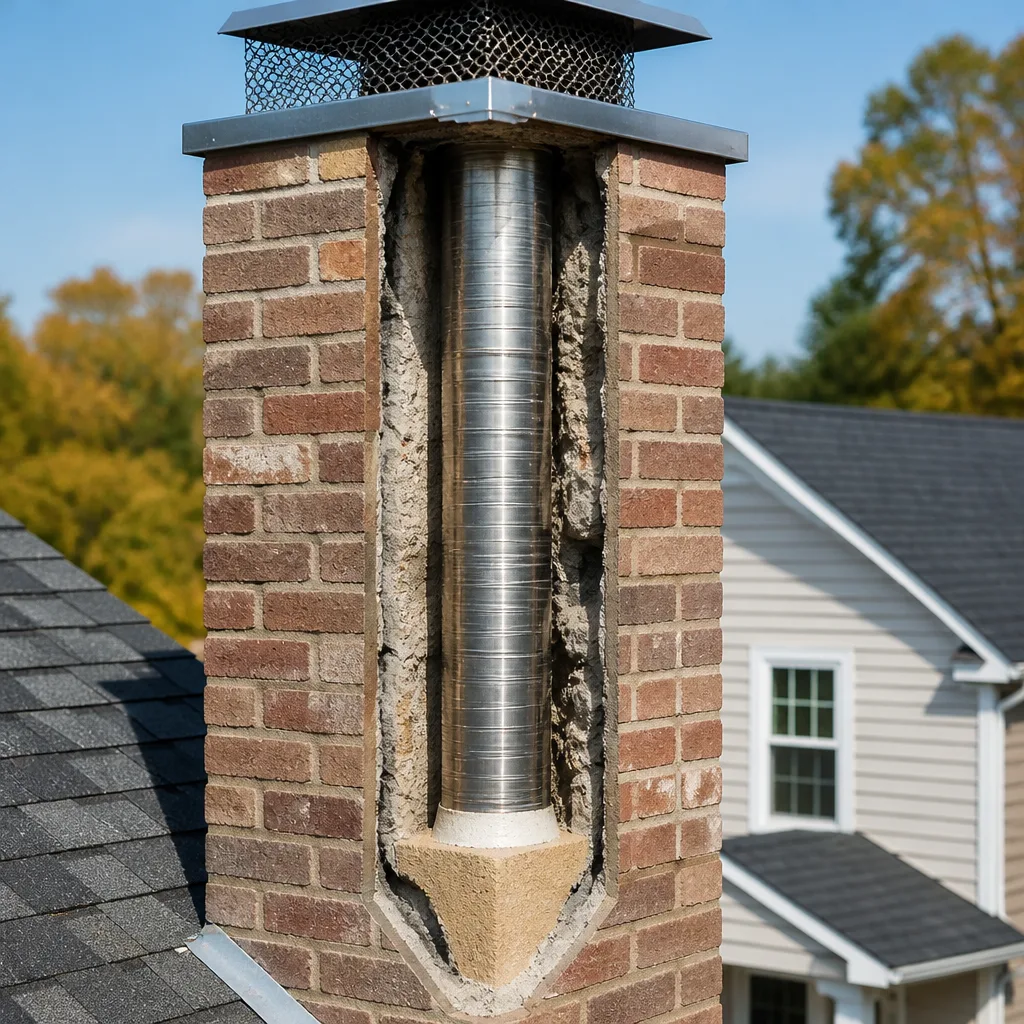 Flue relining
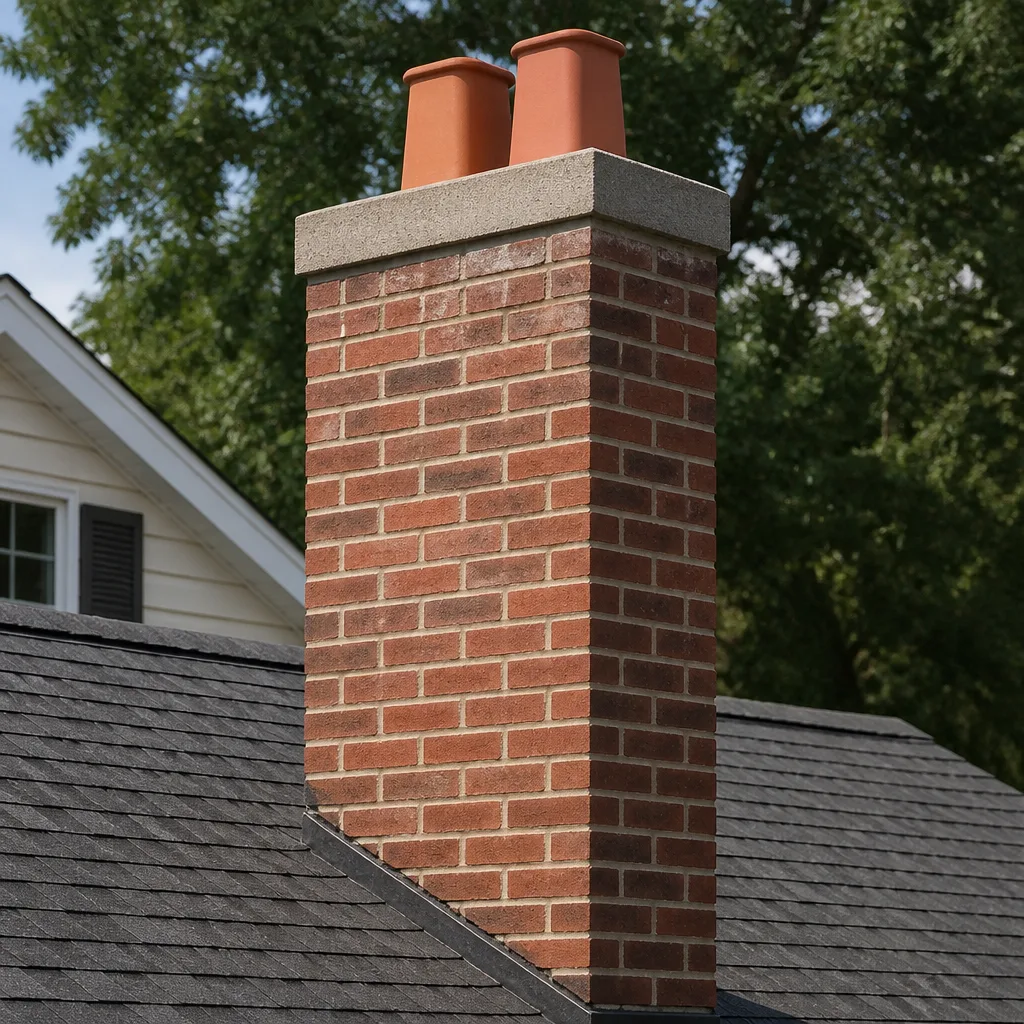 Masonry repair
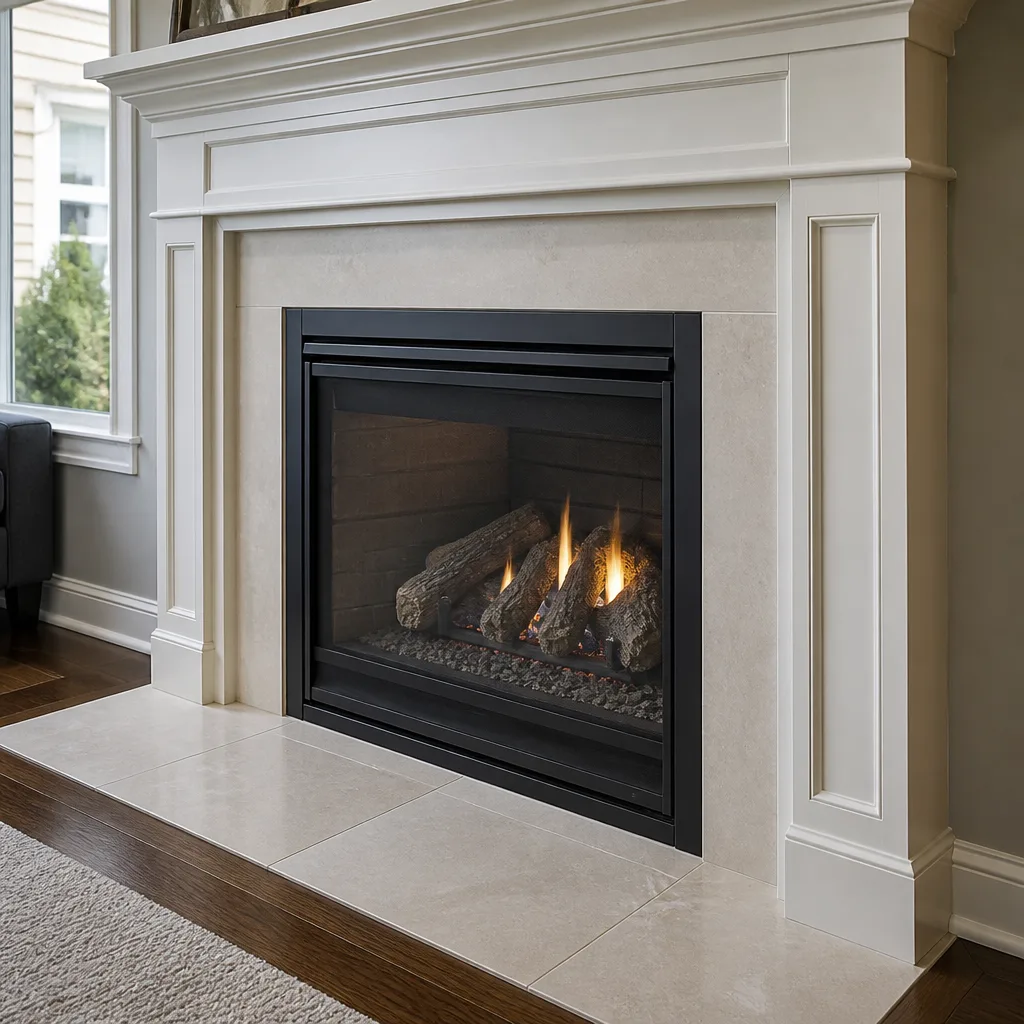 Gas fireplace service
Level 1 sweep and inspection to the NFPA 211 annual standard - flue, crown, cap, and flashing checked and photographed
Chimney sweep logs do not sweep chimneys. They loosen some creosote - which then falls where a brush and vacuum still have to collect it.
Chimney Cleaning Warning Signs: A Palm Coast Homeowner’s Reference Guide
A white stain running down the outside of your chimney isn’t just cosmetic. It’s called efflorescence, and it’s your masonry telling you that water is moving through it. In Palm Coast’s humidity, that process accelerates into spalling and liner damage faster than most homeowners realize. The warning signs that a chimney needs attention rarely announce themselves with smoke pouring into a living room. They show up as a chalky bloom on brick, a faint odor with the damper shut, a dusting of grit in the firebox. This guide names each sign precisely, explains the failure mechanism behind it, and shows you what to check from the ground and from the firebox opening. You’ll finish knowing which signs can wait a season and which mean stop burning now in Palm Coast.
Quick Answer
The warning signs that a Palm Coast chimney needs cleaning or repair are: white mineral staining on exterior masonry, a smoke smell in the room with the damper closed, visible creosote at Stage 2 or Stage 3 inside the firebox, a cap or crown that has cracked or oxidized, and glazing or mortar dust around the liner throat. Any one of these means the chimney should be inspected before the next fire. Several together mean it should come off the burn list until a specialist has looked at it.
Styles & brands we work with
- Sweep & inspection
- Caps & crowns
- Flue relining
- Masonry repair
- Gas fireplace service
Table of Contents
- Efflorescence vs. Surface Staining: Reading the White Marks on Your Masonry
- What a Persistent Smoke Smell With the Damper Closed Actually Means
- Spotting Stage 2 and Stage 3 Creosote From the Firebox Opening
- Cap and Crown Damage Patterns in Palm Coast
- Liner Failure Indicators That Show Up in the Firebox First
- A Ground-Level Inspection Checklist You Can Do Yourself
- How a Professional Sweep and Inspection Actually Goes
- Which Warning Signs Can Wait and Which Cannot
Efflorescence vs. Surface Staining: Reading the White Marks on Your Masonry
Efflorescence is a white, powdery, crystalline deposit that appears on masonry when water dissolves salts inside the brick or mortar and carries them to the surface, where the water evaporates and leaves the salt behind. Surface staining from dirt, pollen or splash-back is a coating sitting on top of the masonry. The difference matters because efflorescence means water is inside the wall, and that water is on its way to the liner, the damper assembly and the framing around the chimney.
Here’s how to tell them apart without climbing anything:
- Texture. Efflorescence brushes away as a fine powder and often comes back in the same pattern. Dirt staining stays put and smears when you rub it.
- Placement. Efflorescence clusters along mortar joints and the lower courses, where moisture travels and evaporates. Splash staining from irrigation or rain is usually concentrated near the ground and the roofline drip edge.
- Timing. If a white bloom appears after a stretch of humid weather and fades in a dry spell, that’s the salt cycle at work. Stain that never changes is likely cosmetic.
- What’s underneath. Press a fingertip against the mortar between the white patches. Crumbling or sandy mortar under the bloom points to spalling, where the brick face is beginning to flake off.
Palm Coast sits in a humid subtropical climate where masonry holds moisture for long stretches, so efflorescence here tends to persist rather than dry out quickly. That’s the mechanism that turns a cosmetic-looking bloom into spalling, and spalling into a crown or flashing failure that lets water reach the flue. When we see recurring efflorescence, we look first at the crown, the flashing and the cap, because those are the three places water gets in.
What a Persistent Smoke Smell With the Damper Closed Actually Means
A smoke smell in a room where the damper is shut is not a draft problem. Draft problems pull smoke up and out. A closed-damper smell means combustion residue is sitting somewhere it shouldn’t and off-gassing into the house through the firebox, the ash pit or a seam in the flue. In practice it comes down to four causes, and they’re worth separating because the fix for each is different.
- Creosote buildup in the flue. Creosote is oily and volatile. Even with the damper closed, warm indoor air rising through the chimney can carry its odor back down and into the room. This is the most common cause and the one tied directly to cleaning intervals.
- A blockage above the damper. Nesting material, a collapsed cap screen, or a broken flue tile can trap soot and moisture. The smell is stale and often worse after rain.
- Negative pressure pulling from the firebox. In a tightly built home with an exhaust fan running, the house can pull air down the chimney. The smell is combustion byproduct being drawn indoors, which also means carbon monoxide can follow the same path.
- Water intrusion into the flue. A failed crown or cap lets rain in, and wet creosote smells sharp and sour. This one usually pairs with the efflorescence you read about above.
Any persistent smell is worth a camera inspection, and we treat it that way. The camera tells you which of the four you’re dealing with instead of guessing. For a home in Palm Coast with a wood insert, the smell can also come from the insert’s own gasket or surround rather than the masonry flue, which is one more reason to look before recommending work.
Spotting Stage 2 and Stage 3 Creosote From the Firebox Opening
You can judge creosote stage from the firebox opening with a flashlight, and it’s the single most useful check a homeowner can do between professional sweeps. Creosote forms in three recognizable stages, and only the first is safe to keep burning through.
- Stage 1: soot and flaky dust. Looks like black powder or thin flakes that brush off easily. This is normal between cleanings and is removed with a standard sweep.
- Stage 2: crusty, brittle, dark deposits. Looks like a hard black or brown crust clinging to the flue walls. It doesn’t brush away cleanly. Stage 2 creosote is concentrated fuel and needs professional removal before the next fire.
- Stage 3: glazed, shiny, tar-like coating. Look for a reflective surface inside the flue, like black glass or hardened tar, often with a rippled texture. Stage 3 is the most combustible form and is difficult to remove. It means the chimney has been burning cool, wet or smoldering fires for a while, and it should come off the burn list until a specialist inspects it.
To check from where you stand, open the damper, shine a light up the flue and look at the walls as far up as you can see. Then look at the smoke chamber shelf just above the damper, where deposits collect first. If the walls above the damper look glassy or tarry, that’s your Stage 3 indicator. Palm Coast’s humidity adds a wrinkle here: unseasoned or damp firewood in a humid climate produces more creosote per fire than dry wood does, so a woodpile stored outdoors under a tarp is a common contributor. If you see Stage 2 or 3, stop burning and book a chimney sweep before the next fire.
Cap and Crown Damage Patterns in Palm Coast
The cap and crown take the most weather of any part of the chimney, and the damage they show in Palm Coast follows a few consistent patterns. Both are worth checking from the ground with binoculars, because they’re visible from there.
Crown damage: UV cracking and shrinkage
The crown is the concrete slab at the top that sheds water away from the flue. In strong sun it dries and shrinks, and hairline cracks open at the edges. Once a crack reaches the flue, rain runs straight down the inside of the chimney. Look for a crown that’s pulling away from the flue tile, or one with visible cracks radiating from the center.
Cap damage: oxidation, screen blockage and loose fasteners
A metal cap can oxidize and begin to rust through at the seams and screen edges, and the screen itself can clog with debris. A clogged screen does two things: it blocks draft and it traps moisture inside the flue. Look for a cap that’s tilted, a screen packed with material, or rust streaks down the outside of the masonry.
Why the brand of cap matters
We install Gelco and Famco caps because they’re made for the specific jobs a cap has to do: shedding water, keeping animals out, and allowing draft to pass cleanly. A generic cap often gets the first two right and the third wrong. When we recommend a cap, we’re looking at the flue size and the draft needs of the appliance, not just matching the color.
Liner Failure Indicators That Show Up in the Firebox First
The liner is the flue’s inner surface, and its failure usually shows up inside the firebox before it shows up anywhere else. Three indicators are worth knowing by sight.
- Glazing on the firebox walls. A shiny, dark glaze on the firebox brick near the top is a heat distress signal. It means the firebox has been running hotter than it should, often because the liner above it is damaged and not moving heat properly.
- Heat discoloration patterns. Look for a scorch pattern that travels in a straight line or concentrates on one side. That pattern usually traces to a gap or crack in the liner above, where heat is finding a path it shouldn’t.
- Mortar dust accumulation. A fine tan or gray powder collecting on the firebox floor, the damper shelf or the hearth, especially after a fire, is often mortar from a failing liner joint. Sweep some onto a white paper towel. If it’s sandy or cement-colored rather than soot-black, that’s the tell.
What an aging liner really needs depends on what the camera sees. Many flues can be resurfaced rather than replaced, and HeatShield is the material we use for that because it repairs the joint and the wall rather than just covering the damage. If the liner is beyond resurfacing, DuraFlex is the liner we reach for. Either way, the recommendation follows the inspection, not the other way around. This is what a full-service chimney repair visit is designed to sort out.
A Ground-Level Inspection Checklist You Can Do Yourself
Here’s the check we suggest homeowners run before they call anyone. It takes ten minutes and gives you a specific list to describe on the phone, which makes the professional visit faster and sharper.
- Walk the outside with binoculars. Look at the crown for cracks, the cap for rust or tilt, and the brick for white bloom or spalling.
- Check the room side. With the fireplace cold and the damper closed, note any smoke smell. Open the damper and shine a light up the flue.
- Look at the firebox walls. Note glazing, discoloration patterns, and any mortar dust on the floor or shelf.
- Check the damper operation. The damper should open and close fully and sit flush when closed. A stuck-open damper leaks heat and draft; a stuck-shut one is a safety problem.
- Look at the hearth and firebox for water. Staining, rust on metal parts, or a damp smell points back to a crown or cap failure.
- Ask about the last sweep. If you don’t know the date of the last cleaning, treat the chimney as unswept.
If any two of these turn up a problem, it’s time for a professional look. Every recommendation we make is backed by photo evidence from our camera inspection, so you see what we see and can decide with confident eyes. That’s how we work on Palm Coast homes.
How a Professional Sweep and Inspection Actually Goes
A professional sweep is a cleaning plus a visual inspection, done in a specific order. The cleaning comes first because you can’t assess a flue you can’t see into. The inspection then follows the same path the camera travels: firebox, damper, smoke chamber, flue, crown, cap.
What you should expect:
- A drop cloth and a HEPA vacuum set up before any work starts.
- The flue swept from the top down or bottom up, depending on the chimney’s layout.
- A camera pass through the flue, with a photo report you keep.
- A written summary of what was found and what, if anything, needs repair.
We use standard rotary sweep methods because they clear the flue thoroughly without damaging a sound liner, and the camera pass is included because a sweep without a look inside the flue tells you only half the story. From that inspection, we recommend the specific component that needs attention, whether that’s a HeatShield resurfacing, a DuraFlex liner, or a new Gelco or Famco cap. We also draw parts from Olympia Chimney and Copperfield when a chimney needs an uncommon component, so a specialty fitting doesn’t stall the job. Inspect first, recommend second. That order keeps recommendations honest.
Which Warning Signs Can Wait and Which Cannot
Some warning signs are a prompt to book a visit. Others are a prompt to stop using the fireplace today. Separating the two saves you a panicked evening and unnecessary work.
Signs that can wait for a planned visit
- Light surface staining that doesn’t bloom or crumble.
- A cap that’s slightly rusted but intact and clear.
- Stage 1 soot deposits from regular use.
- A chimney that hasn’t been swept in a while with no other signs.
Signs that mean stop burning now
- Stage 2 or Stage 3 creosote visible in the flue or smoke chamber.
- Any crack or displacement in the flue liner.
- Mortar dust accumulation paired with glazing in the firebox.
- A persistent smoke smell with the damper closed, especially with an exhaust fan running.
- Water intrusion into the firebox or down the flue after rain.
When we recommend work, we can also tell you plainly when it can safely wait. A chimney that needs sweeping but shows no structural sign can be scheduled for a quiet week; a chimney with a cracked liner shouldn’t hold fire at all. That distinction is the value of an inspection-backed recommendation. Call (877) 471-4123 for a free estimate; we answer 24/7, with fast dispatch from 7am to 7pm, Sunday through Friday.
Common Mistakes to Avoid
- Assuming efflorescence is just dirt. A white bloom that returns after rain is water in the wall, and treating it as cosmetic lets the spalling begin. Have it checked together with the crown and flashing.
- Mistaking a closed-damper smell for a draft problem. A draft problem needs a taller or better-designed flue; a smell with the damper shut usually needs a sweep. Different problems, different fixes.
- Burning through Stage 2 creosote. It’s easy to rationalize away, but Stage 2 must come out before the next fire. Stage 3 should put the fireplace out of service until a specialist inspects.
- Replacing a cap with the first one that fits. A cap has to match the flue and support draft. A generic cap that fits but clogs the draft causes more problems than the one it replaced.
- Putting off a sweep in a house with a wood insert. Inserts burn hot and produce creosote that collects differently from an open fireplace. An insert needs its own inspection rhythm, not the one that applies to an open hearth.
- Hiring a sweep who won’t show you the camera footage. A photo report is the difference between an inspection and a sales pitch. Ask for it before you agree to any repair.
- Ignoring masonry dust in the firebox. Mortar dust after a burn is a liner-joint signal. Treat it as an inspection prompt, not cleaning debris.
See the difference
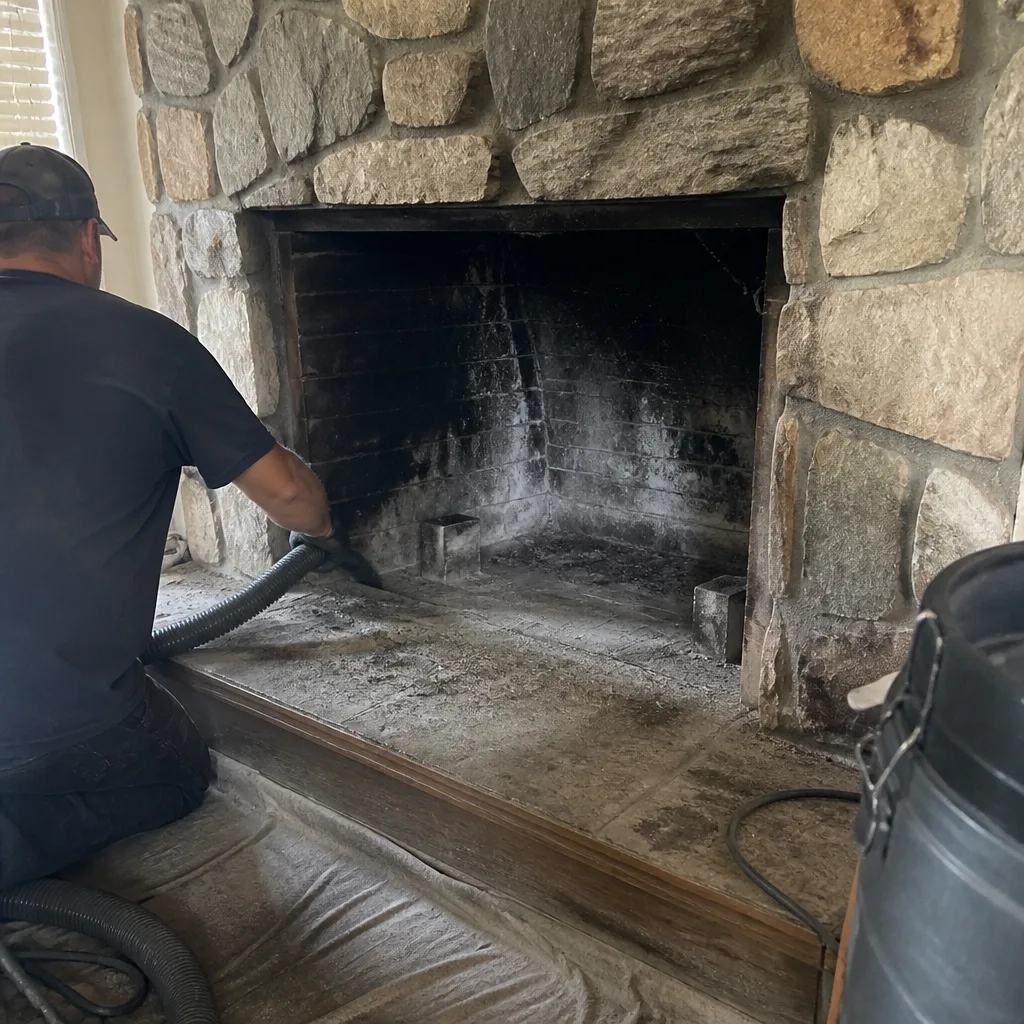 Before
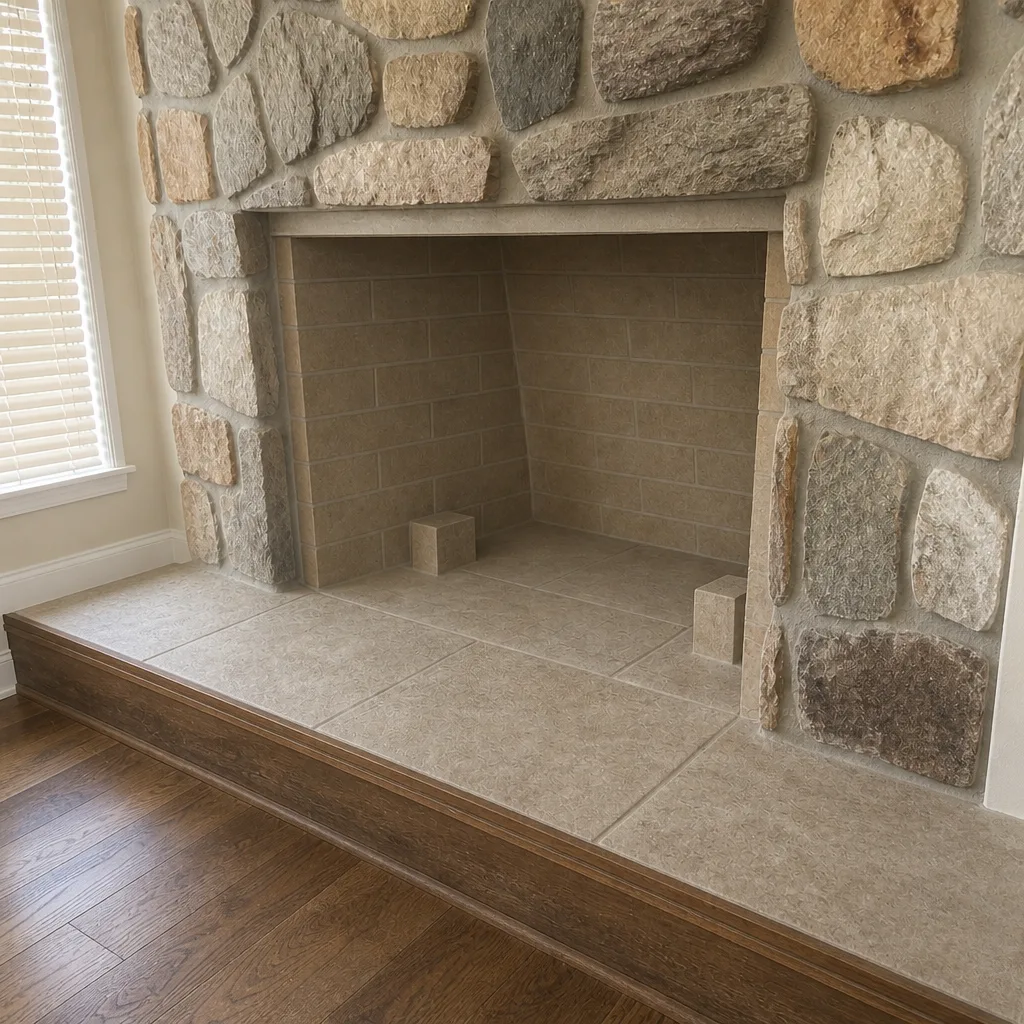 After
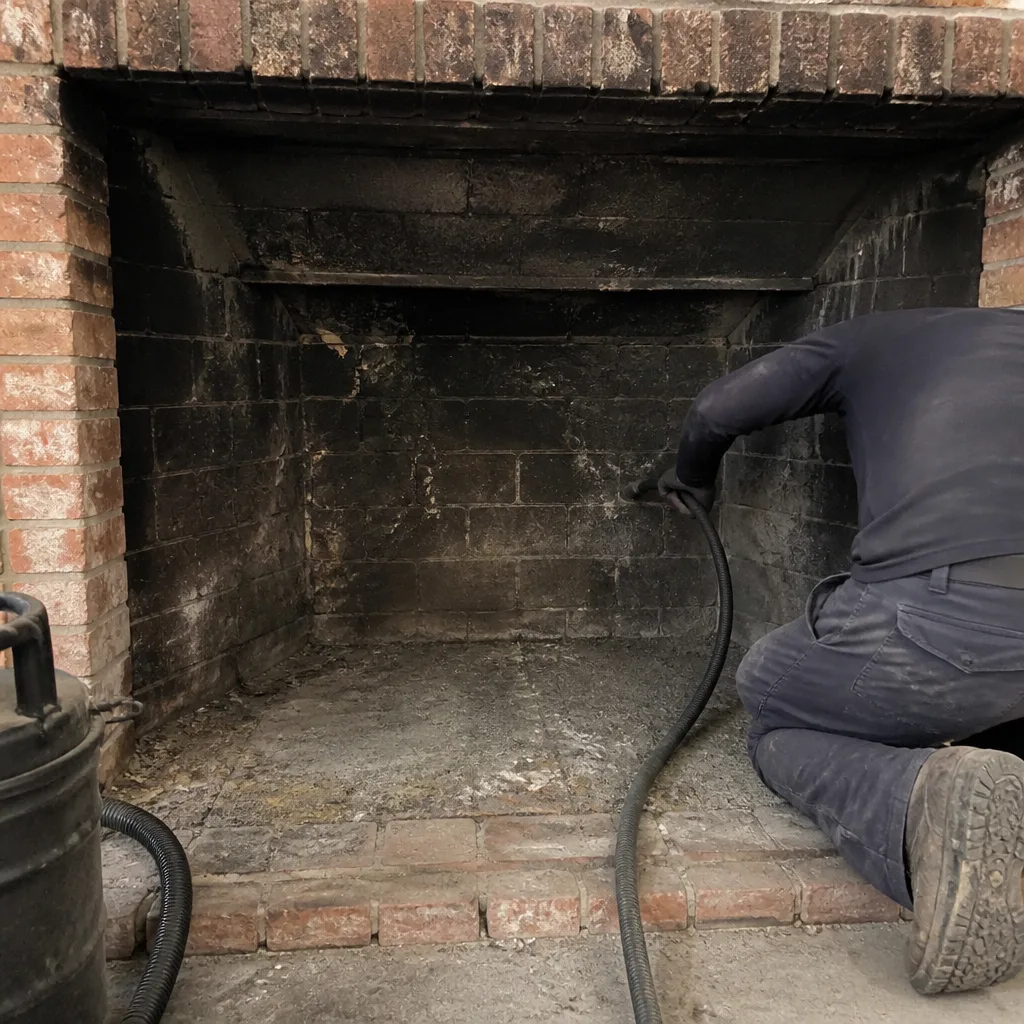 Before
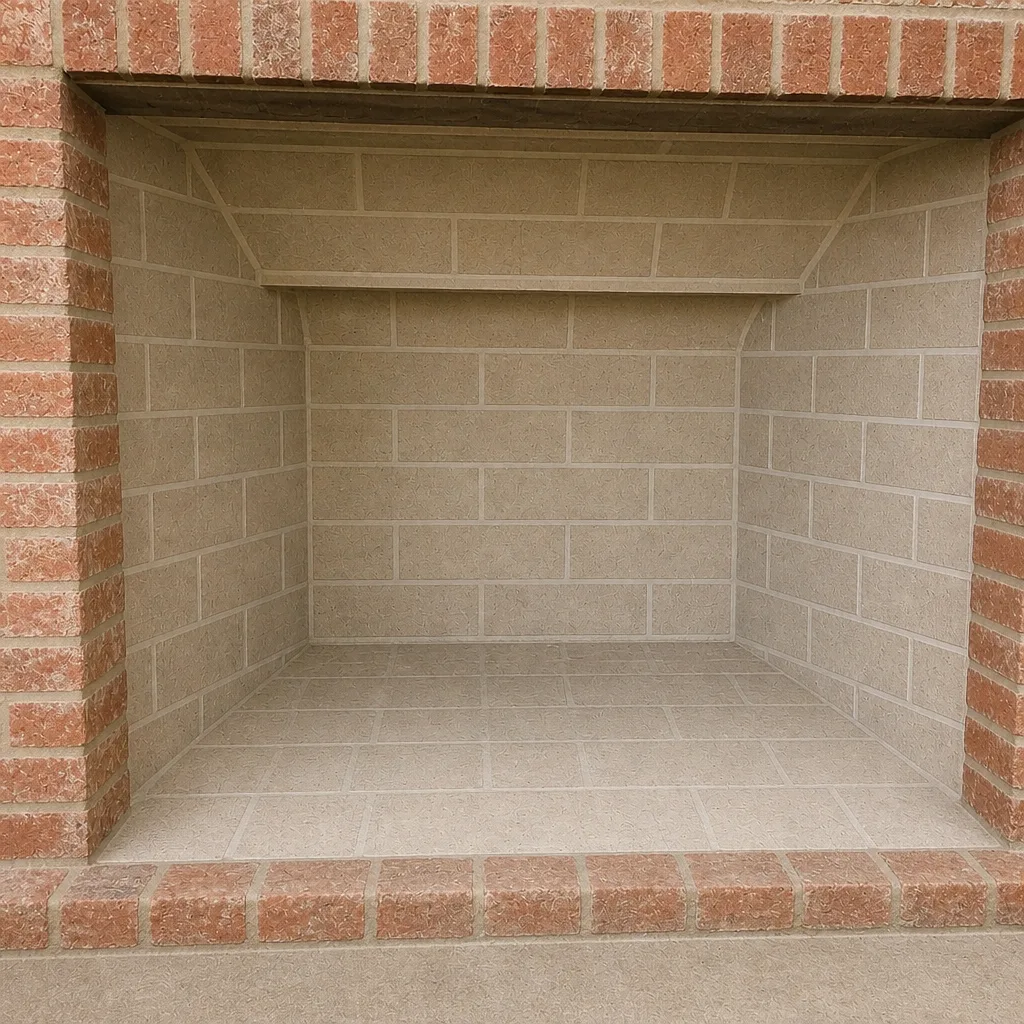 After
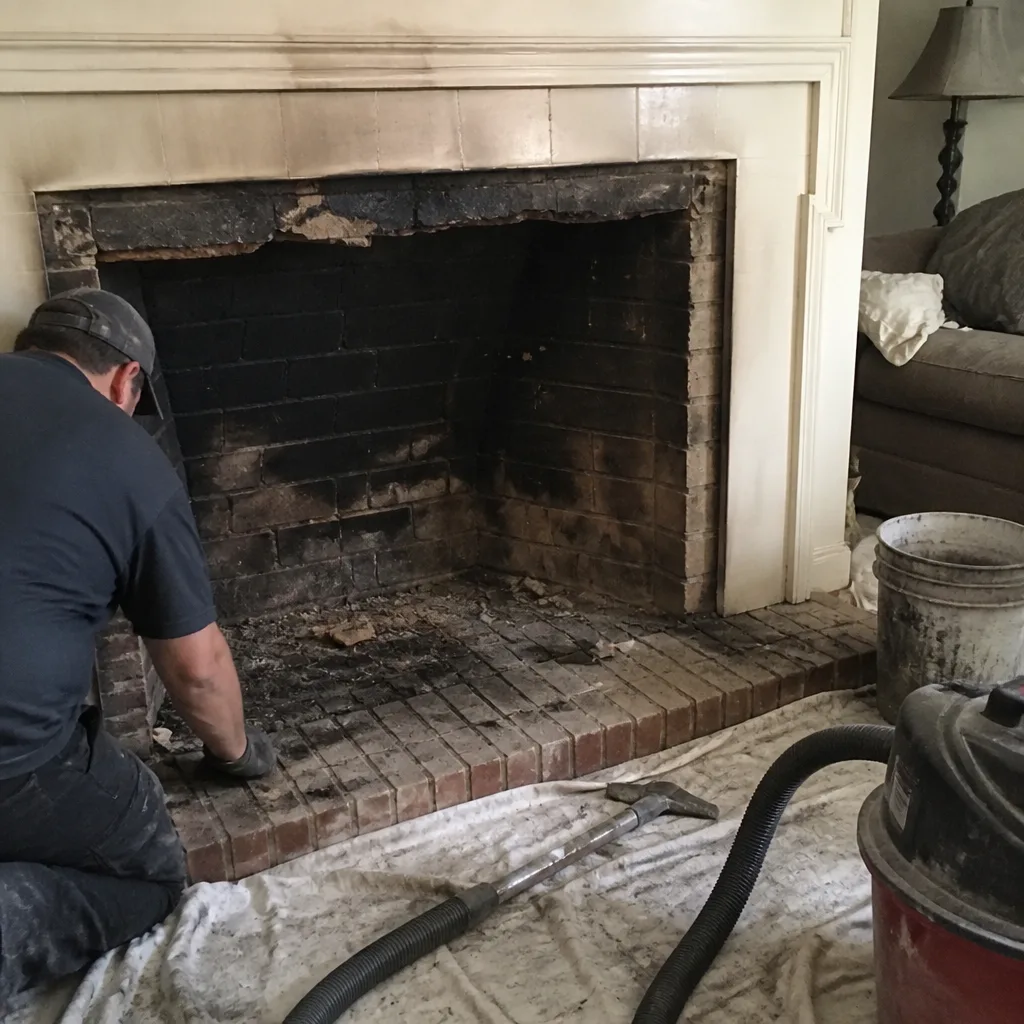 Before
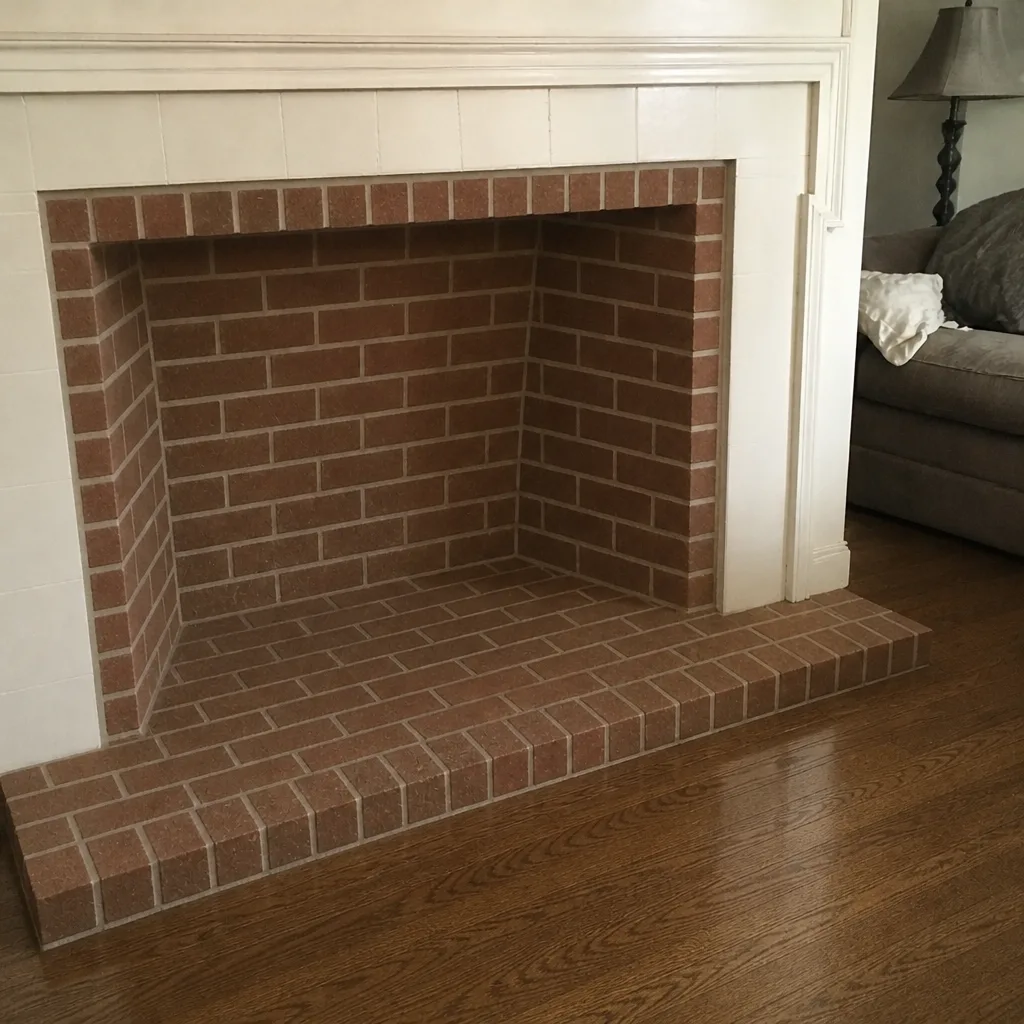 After
When to Call a Professional
Call a professional when you see Stage 2 or Stage 3 creosote, any flue liner crack or displacement, a smoke smell with the damper closed, or water damage inside the firebox. Also call when you can’t confirm the date of the chimney’s last sweep, or when a wood insert has gone more than a season without inspection. These are the situations where a camera inspection and an honest written report save you from guesswork and unnecessary repair. For a routine sweep in Chimney Sweep Palm Coast, we book the visit and bring the inspection into the same job, so there’s one coordinated visit instead of two. Chimney Sweep Palm Coast offers free estimates in Palm Coast. Call (877) 471-4123. Our technicians have up to experience, and we work only on chimneys, fireplaces and the liners and caps that go with them.
Frequently Asked Questions
Most Palm Coast chimneys should be swept and inspected once a year, and more often if you burn regularly through the season. Humidity and damp firewood both increase creosote, so a chimney that sees heavy winter use can need a mid-season look. Circle the sweep as a yearly appointment, not a repair you get to when something smells wrong.
Efflorescence itself is harmless, but it’s a sign that water is moving through your masonry, and that water is what causes spalling and liner damage. Treat it as a prompt to check the crown, the flashing and the cap. If the bloom returns after every rain, the entry point needs sealing, not the stain.
No. Stage 2 creosote is concentrated fuel and needs professional removal before the next fire. Stage 3, which looks like black glass or tar on the flue walls, is the most combustible form and should put the fireplace out of service until it’s inspected and cleaned. Keep burning and you accelerate the failure.
A smoke smell with the damper closed means combustion residue is sitting in the flue or firebox and off-gassing into the room. It’s usually creosote buildup, a blockage above the damper, negative pressure from an exhaust fan, or water intrusion. A camera inspection identifies which one, and the fix follows from that.
A sweep clears soot and creosote from the flue; an inspection evaluates the condition of the flue, firebox, crown and cap and produces a photo report. We do both in the same visit. A sweep without an inspection tells you the flue was cleaned but not whether it’s sound.
Often yes. Many flues can be resurfaced with HeatShield rather than fully relined, which extends the life of the existing masonry and avoids a full liner replacement. Whether resurfacing is right depends on the extent of the damage, which is why the camera pass comes first. When replacement is the right call, DuraFlex is the liner we install.
The Bottom Line
The most important chimney warning signs in Palm Coast are quiet ones: a white bloom on the masonry, a faint smell with the damper shut, mortar dust in the firebox, a crown crack that opens a path for rain. Each has a specific failure mechanism behind it, and each is visible before the fireplace fails. Use the ground-level checklist to catch them early, and treat Stage 2 and Stage 3 creosote or a cracked liner as a stop-burning signal. A camera-backed inspection, a clean sweep and a specific recommendation from a professional-grade parts set are what a Palm Coast homeowner should expect. When you’re ready, call (877) 471-4123 for a free estimate. We answer 24/7. Fast dispatch from 7am to 7pm, Sunday through Friday.
Written by the team at Chimney Sweep Palm Coast.