
Last updated November 16, 2026
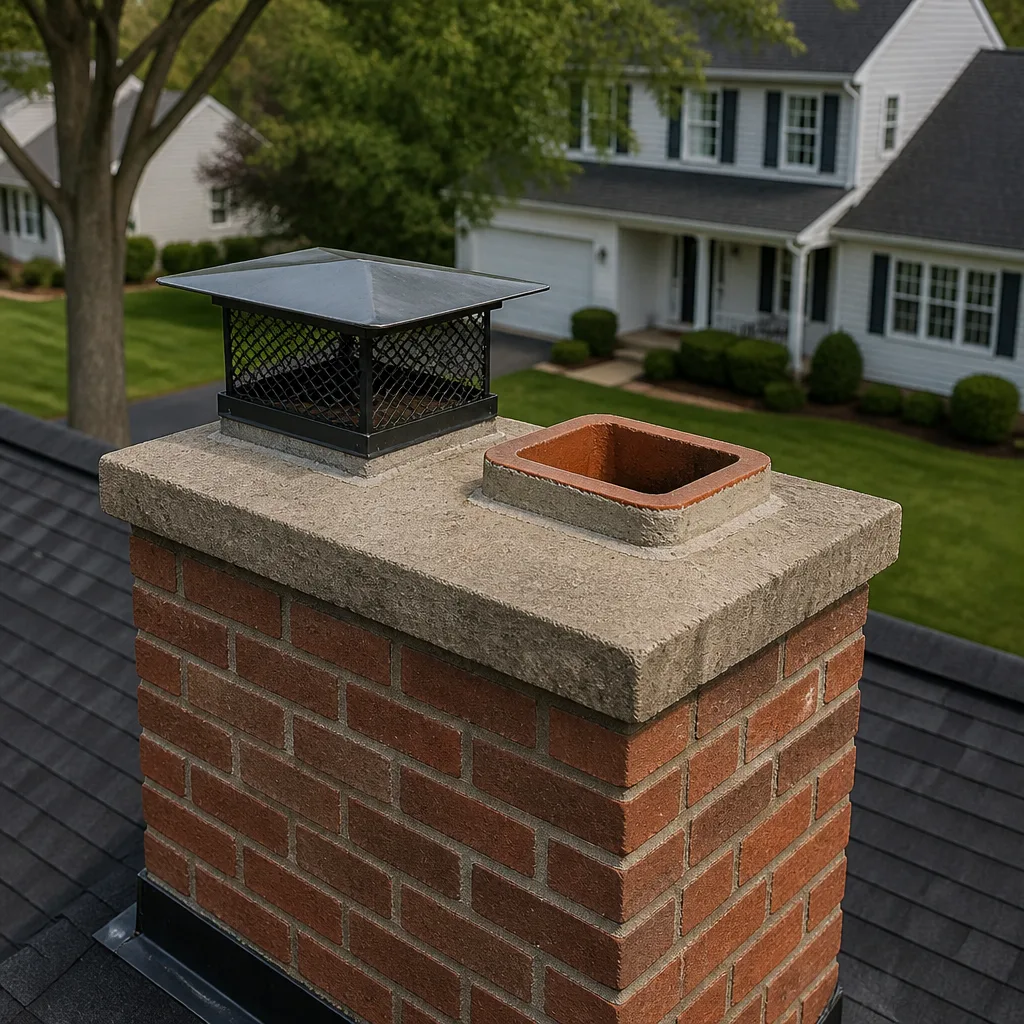 Sweep & inspection
 Caps & crowns
 Flue relining
 Masonry repair
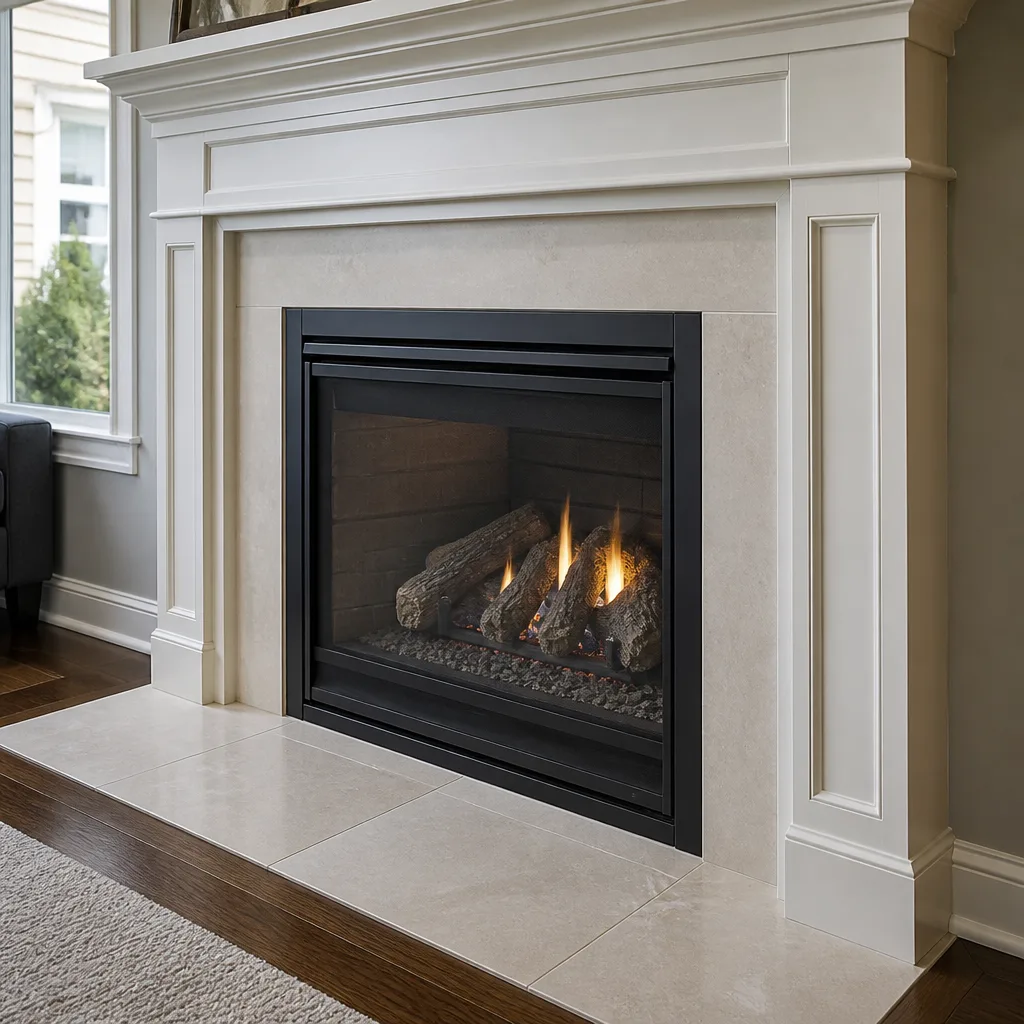 Gas fireplace service
Level 1 sweep and inspection to the NFPA 211 annual standard - flue, crown, cap, and flashing checked and photographed
Chimney sweep logs do not sweep chimneys. They loosen some creosote - which then falls where a brush and vacuum still have to collect it.
Chimney Cleaning Emergency Preparedness Guide for Palm Coast Homes
After a storm passes through Flagler County, the chimney calls we get aren’t about visible damage. They’re about homeowners who lit fires in chimneys with cracked crowns, displaced caps, or debris-packed flues and didn’t know any of it until smoke started backing up into the living room. The misconception worth clearing up first: a chimney that looks fine from the driveway after a tropical storm or hurricane is not evidence that it’s safe. Most of the damage that turns a chimney into a fire or carbon monoxide hazard sits above eye level, behind the cap, or inside the flue. This guide walks through what to do before a named storm, how to inspect in the right order after one, what to do in the first minute of a chimney fire, and which failures mean you don’t light another fire until a professional has looked at it. If you heat with wood in Palm Coast, this is the page to keep.
Quick Answer
Chimney emergency preparedness in Palm Coast means three things: protecting the cap and flue before a named storm, inspecting cap, crown, flashing, and flue at roof level in that order after the storm passes, and treating any cracked crown, displaced cap, or liner damage as a stop-use condition until a professional confirms it’s safe. A chimney that survived the wind can still fail on the first fire of the season if debris or a shifted cap is blocking the flue.
Styles & brands we work with
- Sweep & inspection
- Caps & crowns
- Flue relining
- Masonry repair
- Gas fireplace service
Table of Contents
- Before the Storm: Chimney Protocol for Palm Coast Homes
- What a Proper Cap Can Withstand (And What a Cheap One Can’t)
- After the Storm: The Inspection Sequence That Matters
- Carbon Monoxide Risk Specific to Chimney Emergencies
- Chimney Fire Response: The First 60 Seconds
- Emergency Repair Triage: What Waits, What Doesn’t
- Preparing for Burning Season After a Storm Year
- Common Mistakes to Avoid
Before the Storm: Chimney Protocol for Palm Coast Homes
Palm Coast sits in a storm corridor, and the chimney work that prevents emergencies happens before the first named storm of the season, not after. The goal is simple: close off the flue from wind-driven rain and debris, confirm the cap is anchored, and know the condition of your crown before the weather tests it. A chimney that’s already compromised going into a storm is the one that fails.
Here’s the sequence we recommend for Palm Coast homeowners when a tropical system is forecast:
- Close the damper and confirm it seals. A damper that doesn’t seat fully lets wind-driven rain and debris straight into the firebox. If it’s stuck open or won’t close flush, that’s a pre-storm repair, not a someday repair.
- Check the cap from the ground with binoculars. Look for a cap that’s tilted, lifted, or missing fasteners. A cap that’s already loose won’t survive a serious wind event, and a displaced cap is one of the most common post-storm call reasons.
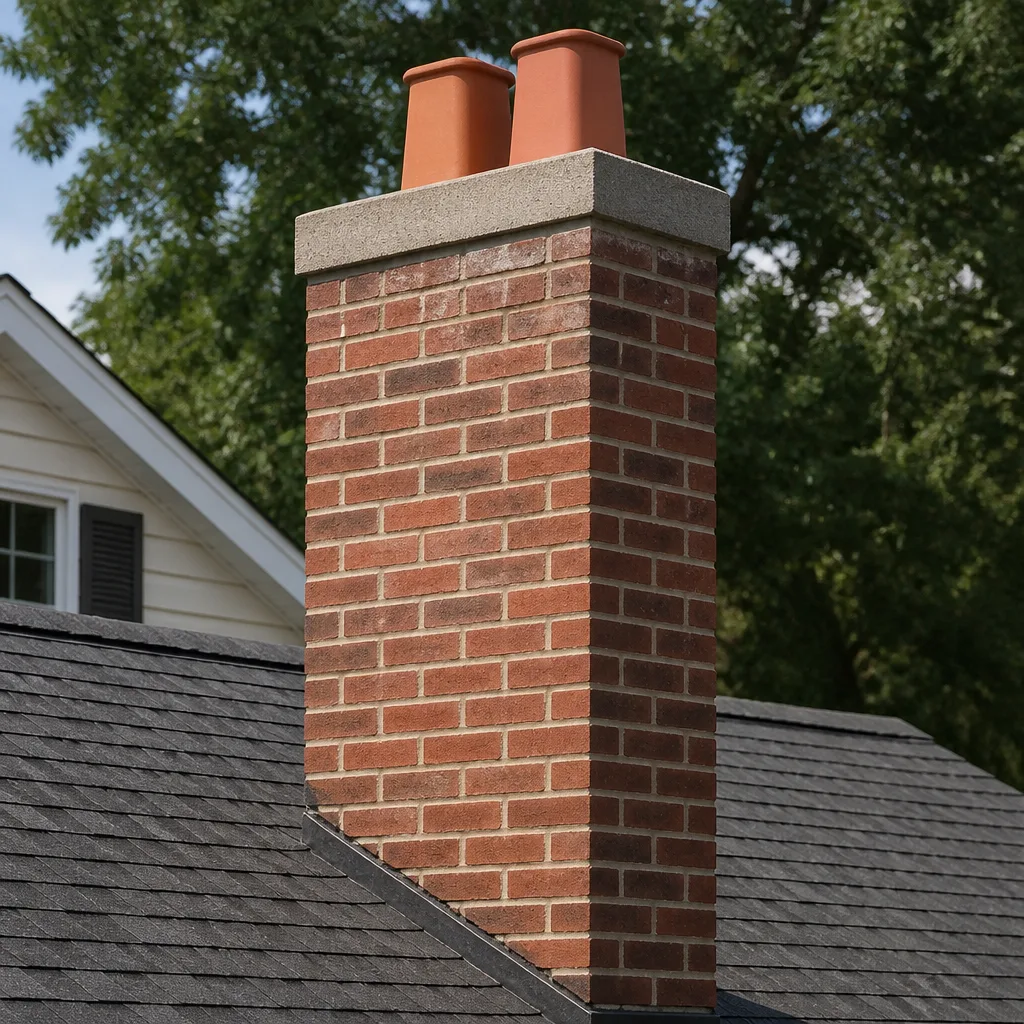
- Confirm the crown is intact. The crown is the concrete or masonry top surface that sheds water away from the flue. Hairline cracks are normal wear; separation from the flue tile or a chunk missing is not. A bad crown plus storm rain means water into the chimney structure.
- Clear the roof of loose debris near the chimney. Branches, roof granules, and palm fronds that collect against the chimney get driven into the flue or wedge against the cap in high wind.
- Don’t burn during the storm or in the days after until you’ve inspected. The instinct to build a fire when the power is out is understandable, but a storm-damaged flue is the worst possible time to use it.
If you’re not comfortable on the roof, don’t get on it. A pre-storm inspection from a professional is the safer route, and it’s the same inspection that tells you what needs fixing before burning season. That’s the logic behind our chimney sweep and inspection visits: catch the crown and cap problems while the weather is calm, not after.
What a Proper Cap Can Withstand (And What a Cheap One Can’t)
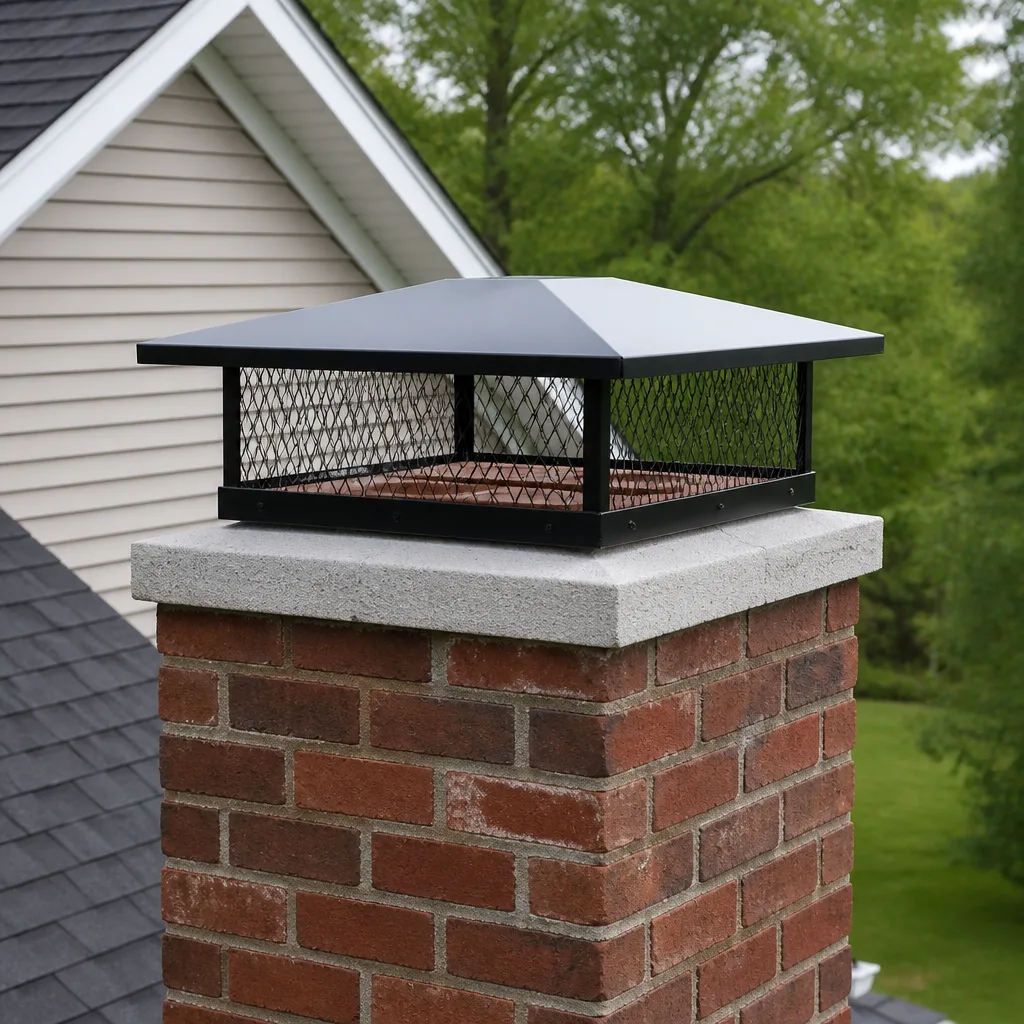
A chimney cap is the single most exposed component on your roof, and it’s the first thing a storm takes. The difference between a cap that survives a Flagler County wind event and one that ends up in the yard comes down to how it’s made and how it’s attached. A properly installed Gelco or Famco cap is built and fastened to stay put through wind and driven rain, with a spark arrestor and a screen sized to keep animals and debris out of the flue.
What cheap generic caps get wrong:
- Thin metal and light gauge. A cap that flexes by hand will flex in wind. Once it deforms, it no longer seats over the flue, and the seal that keeps water and animals out is gone.
- Weak fastening. Many failures we see aren’t the cap itself but the mount. Undersized screws, a single strap, or a friction fit around the flue won’t hold when wind gets under the cap.
- Wrong sizing. A cap that’s slightly too large for the flue can lift and shift. A cap that’s too tight can crack the flue tile as it’s forced on.
- No animal screen. An open flue is an invitation. Nests, birds, and squirrels are a recurring reason for blocked flues that show up as smoke backing up into the room.
We install Gelco and Famco caps because both are specified by chimney professionals for durability and proper draft control, and because a cap that stays on is doing real safety work, not just cosmetic work. The cap is the entry point for everything else in the chimney: it keeps water out of the flue, protects the crown, and prevents the debris that becomes a fire hazard. If your cap is old, undersized, or already damaged, the pre-storm checklist is the moment to replace it. We work with Olympia Chimney supply for components, so uncommon sizes and specialty caps aren’t a barrier. For repair questions around caps, crowns, and flashing, start with chimney repair.
After the Storm: The Inspection Sequence That Matters
Post-storm chimney inspection happens in a specific order, and the order matters because a problem early in the sequence can hide a worse one later. Most of what you need to see requires eyes at roof level. Ground-level observation tells you almost nothing about the crown, the cap mount, or the top of the flue.
Here’s the sequence we use, and the one Palm Coast homeowners should ask for:
- Cap first. Is it in place, level, and fastened? A shifted or missing cap means the flue has been open to rain, debris, and animals for the duration of the storm. Don’t inspect anything else before establishing this.
- Crown second. Look for new cracks, separation from the flue tile, or missing sections. A crown that was tight before the storm and shows separation after is now leaking water into the chimney structure. This is a stop-use finding until repaired.
- Flashing third. The metal that seals the chimney to the roof is the classic leak point after wind. Lifted or torn flashing means water is getting into the roof deck and the chimney chase, not just the flue.
- Flue interior last. Debris, a dislodged flue tile, or a fallen cap screen can pack the flue. This is the check that has to happen before the next fire, because a blocked flue is a carbon monoxide problem, not a draft problem.
After the outside is confirmed, the interior inspection covers the firebox, damper, smoke chamber, and the full flue run with a camera. It’s the only way to see a liner crack or separation that doesn’t show from either end. If you’ve never had the flue video-inspected, a storm year is the time to start. Our team covers inspection, sweep, and repair in one visit sequence, which means you’re not coordinating three different trades at once. If you’re in the area and want to know what a visit covers, we’ve laid it out for Palm Coast homeowners on the service page.
Carbon Monoxide Risk Specific to Chimney Emergencies
Carbon monoxide is the hazard homeowners underestimate most after a chimney emergency. A partially blocked or damaged flue doesn’t usually announce itself with smoke. It can draft poorly enough to push CO into the living space while the fire still burns, and a standard CO alarm may not trip until concentrations reach levels that are already a problem.
Why chimney-related CO is different from furnace CO:
- It’s intermittent. A wood fire produces CO in pulses, especially at startup and when the fire is smoldering. A flue that drafts adequately when the fire is hot may fail at the exact moment the fire is starting or dying down.
- It’s tied to what’s blocking the flue. A displaced cap, a bird nest, debris driven in by wind, or a fallen piece of flue tile can reduce the flue’s effective area without fully closing it. Partial blockage is the dangerous middle ground: enough draft to keep the fire going, not enough to vent CO safely.
- It can travel. CO from a compromised flue can migrate into other parts of the house through pressure differences, not just the room with the fireplace.
- Detectors are a backstop, not a guarantee. CO alarms are required equipment and save lives, but placement and sensitivity mean they aren’t a substitute for a flue inspection. Treat the alarm as the last line of defense and the inspection as the real test.
If a flue is suspect after a storm, the safest action is simple: don’t burn until it’s inspected. If you smell smoke indoors, hear a persistent rattle from the flue, or a CO alarm has already gone off, leave the house, call 911, and don’t relight the fire. For a non-emergency flue check, call (877) 471-4123 for an inspection. We answer 24/7, and fast dispatch runs from 7am to 7pm, Sunday through Friday.
Chimney Fire Response: The First 60 Seconds
A chimney fire is a fire in the flue, usually from creosote that’s ignited. The first minute determines whether it stays contained or spreads. The single most important decision is whether to call 911 immediately. If you see flames or heavy sparks from the top of the chimney, hear a roaring sound like a freight train, or feel the chimney breast get hot to the touch, call 911 without waiting. Those signs indicate an active flue fire that can breach the chimney structure.
What to do, in order:
- Get everyone out and call 911. Do not attempt to fight an active chimney fire from inside the house. Confirm the house is empty, then call.
- If it’s a small fire you’re attempting to self-extinguish, close the firebox doors and the damper. Starving the fire of air is the only safe intervention inside the home, and only if the fire is small and contained. Never use water on a chimney fire; the thermal shock can crack masonry or a liner.
- Don’t spray water into the firebox. It can cause a steam explosion and structural damage.
- After the fire is out, don’t use the chimney. A chimney that has had a fire needs a professional inspection and likely a sweep or repair before it’s used again. The damage isn’t always visible.
- Document everything for insurance. Photos of the firebox, the chimney exterior, any smoke staining, and the fire department’s report. Save receipts for any emergency work. Insurance claims for chimney fires go more smoothly with a documented inspection report and photographs, and a camera inspection report qualifies as that documentation.
We hear from a lot of homeowners after a small chimney fire who aren’t sure whether to call. The rule is: if there was a fire in the flue, there’s an inspection needed. Call Chimney Sweep Palm Coast and we can walk you through what to do before anyone lights the fireplace again.
Emergency Repair Triage: What Waits, What Doesn’t
Not every post-storm chimney problem is an emergency, and knowing which is which saves homeowners from both unnecessary panic and dangerous delay. Here’s how we sort findings after an inspection:
Unsafe to Use Until Repaired
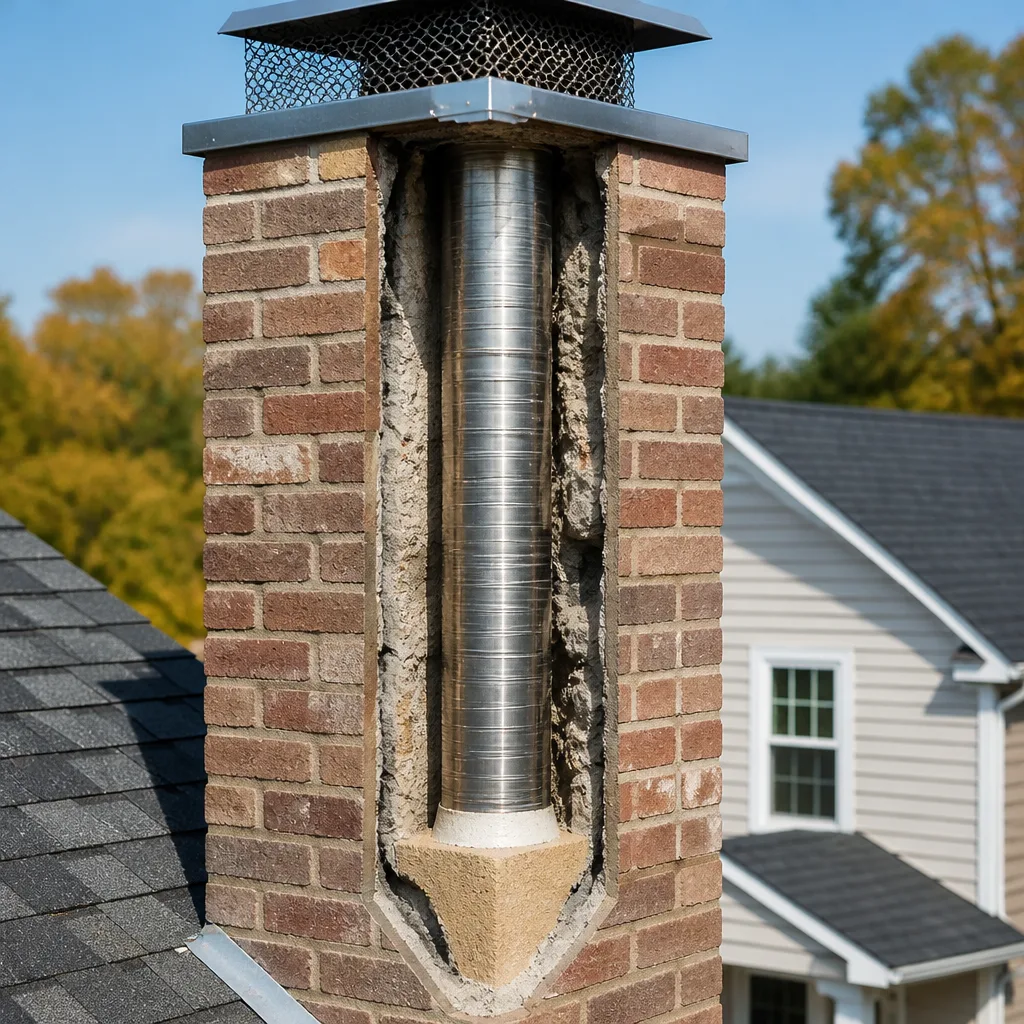
- Liner cracks or separation. A cracked flue liner lets heat and gases reach the chimney structure. This is the most serious stop-use finding. HeatShield resurfacing can often repair a liner without full replacement, but the chimney isn’t safe to use until it’s addressed.
- Displaced or missing cap. The flue is open to water, debris, and animals. Don’t burn until the cap is back on and the flue is inspected for what got in.
- Crown separation. A crown that’s pulling away from the flue tile is letting water into the chimney structure. Continued burning accelerates the damage.
- Blocked or debris-packed flue. Any partial blockage is a CO risk. It needs to be cleared and inspected before the next fire.
Can Wait for a Scheduled Visit
- Cosmetic cap wear. Surface rust or a scuffed finish is worth noting but not an emergency.
- Minor hairline crown cracks that aren’t separating from the flue tile. Schedule a repair but it’s not a stop-use finding on its own.
- Creosote buildup within normal range. A scheduled sweep before burning season handles it. If buildup is heavy, that changes the timeline.
- Damper that’s stiff but functional. Worth addressing at the next visit.
The honest answer after every inspection: nothing gets recommended without camera evidence you can see for yourself. If a sweep tells you the whole chimney needs rebuilding and can’t show you why on camera, get a second opinion. We use HeatShield for liner resurfacing because it extends the life of the chimney without the cost and disruption of full liner replacement, and we’ll show you the before-and-after images. If work can safely wait, we say so.
Preparing for Burning Season After a Storm Year
Burning season in Palm Coast is short and mild compared with northern climates, which is exactly why post-storm chimney checks get postponed. The first fire of the season is often the one that reveals a problem, and it’s better to find it in October than in December. If a named storm came through your area this year, the pre-season checklist should include a real inspection, not just a visual from the yard.
The pre-season sequence we recommend:
- Get a camera inspection before the first fire. It’s the only way to confirm the liner is intact and the flue is clear after a storm year.
- Schedule the sweep. Creosote from the prior season, plus any debris that came in through a compromised cap, needs to be cleared. A sweep before burning season is routine maintenance; after a storm, it’s due diligence.
- Confirm the cap and crown are sound. This is the year to replace an aging cap, and Gelco and Famco are the brands we reach for because they’re built for wind and rain.
- Test the CO alarms and smoke detectors. Change batteries, confirm placement, and replace any unit past its service life.
- Have a plan. Know where the fire extinguisher is, know the number for the fire department, and know that a chimney fire means call 911 first, not last.
Homeowners who want to get ahead of burning season can book an inspection anytime. Call (877) 471-4123 for a free estimate, and ask for a camera inspection so you can see what’s in the flue.
Common Mistakes to Avoid
- Judging the chimney from the driveway. A chimney can look intact from the ground while the crown is separated and the cap is held on by one loose screw. The damage that matters is above eye level, which is why a roof-level inspection is the only reliable check.
- Burning before the post-storm inspection. Losing power for a few days is frustrating, but lighting a fire in a chimney with a compromised flue or a blocked cap is how CO emergencies start. Wait for the inspection.
- Replacing a damaged cap with a cheap generic one. The next storm will be the test, and the cheap cap usually fails first. A Gelco or Famco cap sized and fastened correctly is the difference between an intact chimney and a yard full of metal.
- Assuming a liner crack means a full replacement. HeatShield resurfacing repairs many liners without full replacement. Get an inspection with camera evidence before agreeing to a large job.
- Using water on a chimney fire. The thermal shock can crack masonry and liners. Close the dampers, get out, and call 911.
- Skipping the insurance documentation. After a chimney fire or storm damage, photos and an inspection report make the claim smoother. Take them before you clean up.
- Leaving the flue open to animals between seasons. A missing or broken cap screen lets wildlife nest in the flue, which shows up as smoke backing up on the first fire. Fix the cap before the problem becomes an emergency.
See the difference
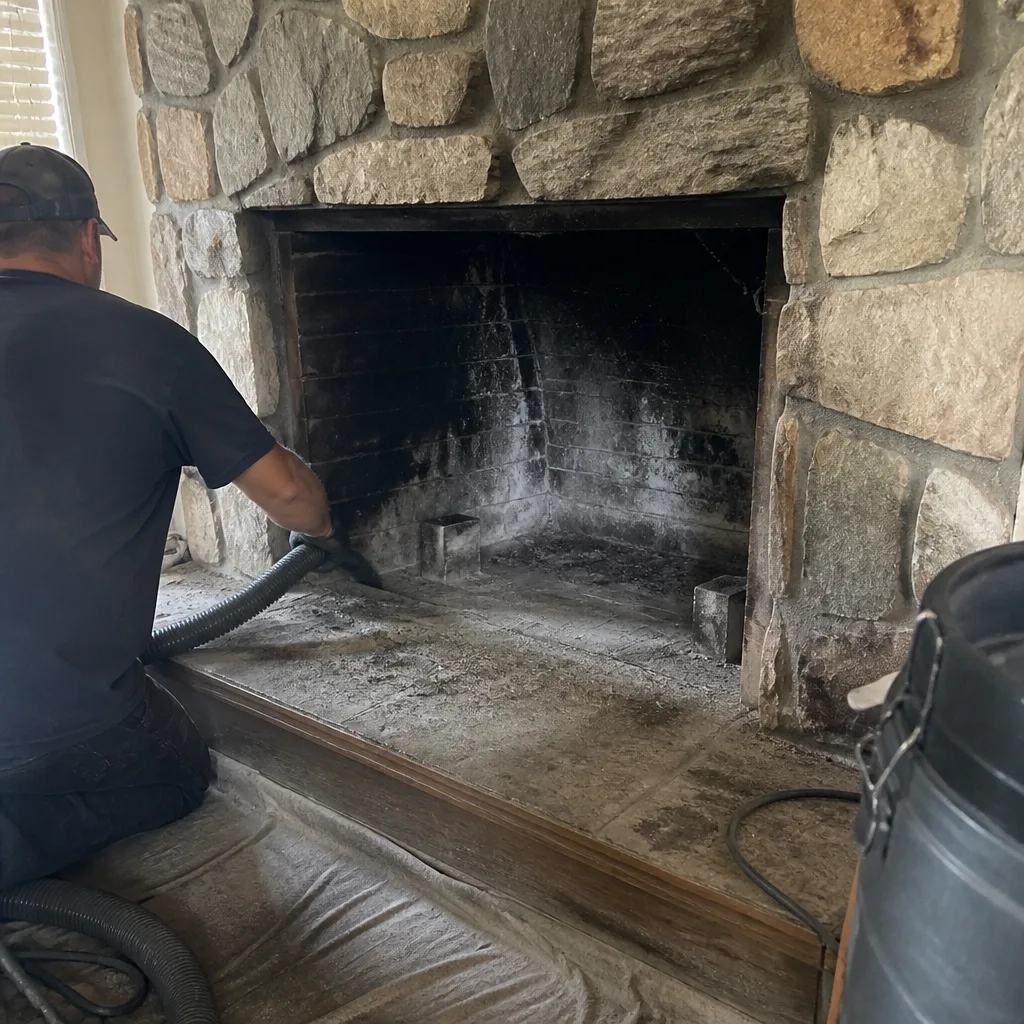 Before
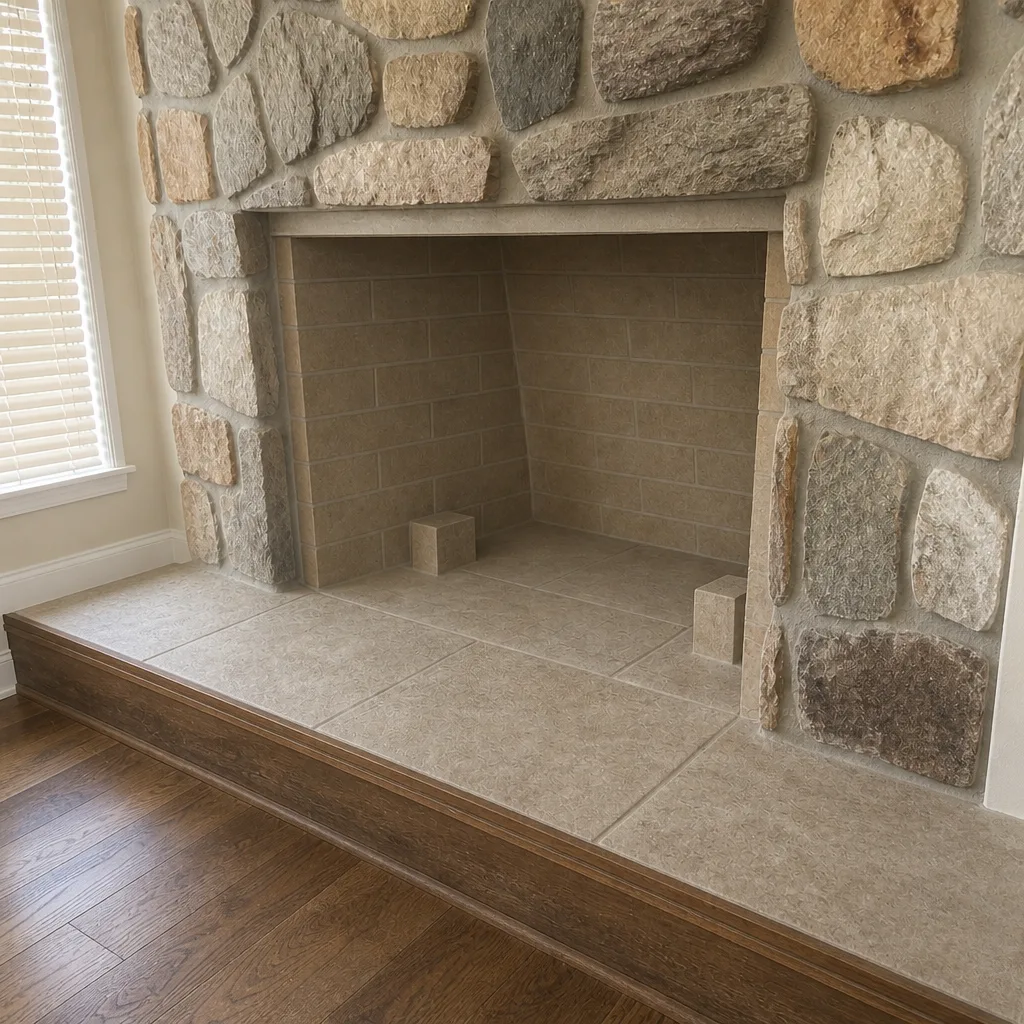 After
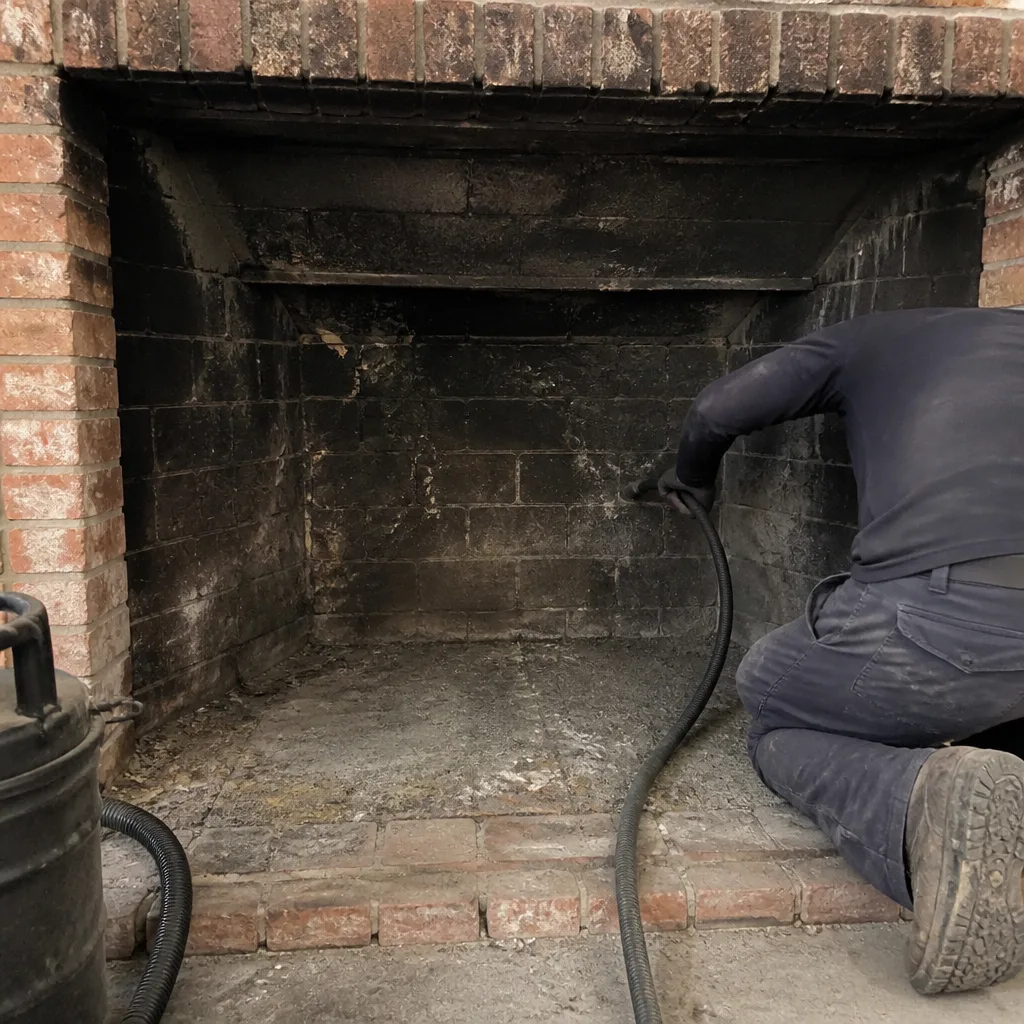 Before
 After
 Before
 After
When to Call a Professional
Call a professional if the cap is displaced, the crown is cracked or separated, the flue is blocked, the liner is cracked, or the chimney has had a fire. Also call if you’ve never had the flue camera-inspected and a storm has come through since the last inspection. These are the conditions where burning is a safety question, not a maintenance one. Our technicians have up to experience, and the inspection comes with camera images you can review. Chimney Sweep Palm Coast offers free estimates in Palm Coast; call (877) 471-4123. We answer 24/7. Fast dispatch from 7am to 7pm, Sunday through Friday.
Frequently Asked Questions
Get the cap and crown inspected at roof level before you light another fire. A storm can displace a cap, crack a crown, or drive debris into the flue without any visible sign from the ground, and each of those is a safety problem. Call a professional for a post-storm inspection and keep the fireplace off until it’s cleared.
Yes. A properly installed Gelco or Famco cap is fastened to stay on through wind and driven rain, while cheap generic caps use thin metal and undersized fasteners that fail in high wind. A cap that stays in place keeps water, debris, and animals out of the flue, which prevents the blocked-flue CO scenario that follows a lot of storms. If your current cap looks loose or undersized, replace it before the next storm.
It doesn’t sit; it gets inspected. There’s no set waiting period, but you shouldn’t burn until the cap, crown, flashing, and flue have been checked. If the inspection finds no damage and the flue is clear, you can use the chimney. If it finds damage, the repair gets done first. Call for an inspection before the first fire of the season.
Signs include a roaring or freight-train sound from the flue, heavy sparks or visible flames from the top of the chimney, a chimney breast that’s hot to the touch, or smoke backing up into the room. If you see any of those, get everyone out and call 911. Don’t try to fight a flue fire from inside the house. After the fire is out, don’t use the chimney until it’s been inspected.
Get a camera inspection, especially after a storm year. A sweep clears creosote and debris, but only a camera inspection shows the liner, the smoke chamber, and the full flue run, which is where cracks and separation are found. A sweep without an inspection doesn’t rule out a liner problem. Ask for both, and ask to see the camera images.
Every job is priced per the written estimate, and the estimate is free. Call (877) 471-4123 for an exact quote. An inspection with camera images and a sweep are usually booked together, and you’ll know the price before you commit. If the inspection turns up damage, the repair estimate is separate and comes with the images so you can see the evidence yourself.
The Bottom Line
Chimney emergencies in Palm Coast almost always start before the storm, with a cap that wasn’t fastened properly or a crown that went unrepaired. The work that prevents the emergency is the pre-storm check and the post-storm inspection, done in sequence, at roof level, with camera evidence you can see. If you take one thing from this guide: don’t light a fire in a chimney that hasn’t been inspected since the last storm. The second: a chimney fire means call 911 first, and don’t use water. If you’re not sure whether your chimney is safe, call us and we’ll look.
Call (877) 471-4123 for a free estimate. We answer 24/7. Fast dispatch from 7am to 7pm, Sunday through Friday. We work with DuraFlex, HeatShield, Gelco, Olympia Chimney, Famco, and Copperfield because the material in your chimney matters, and we install and service what the professional trade specifies. Nothing gets recommended without camera evidence you can see, and if the work can wait, we’ll tell you so.
Written by the team at Chimney Sweep Palm Coast.