
Last updated November 16, 2026
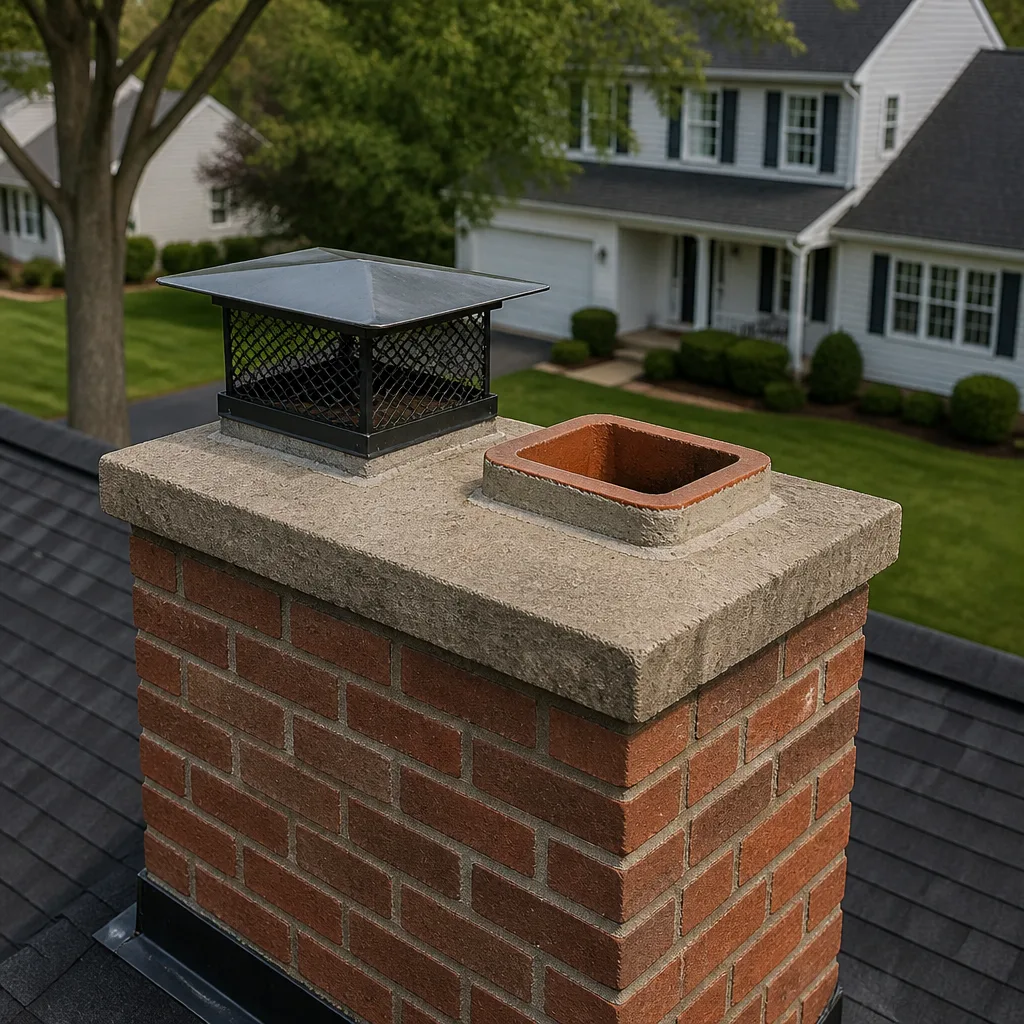 Sweep & inspection
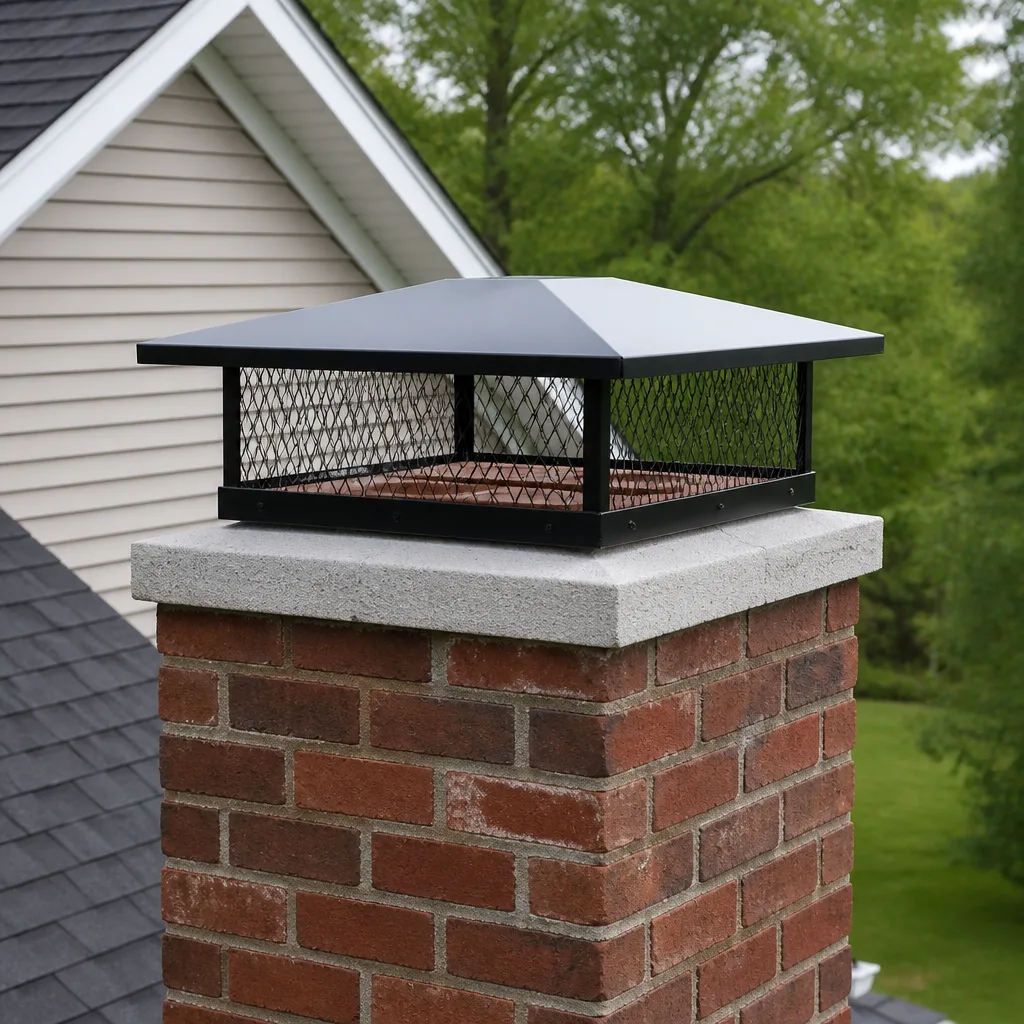 Caps & crowns
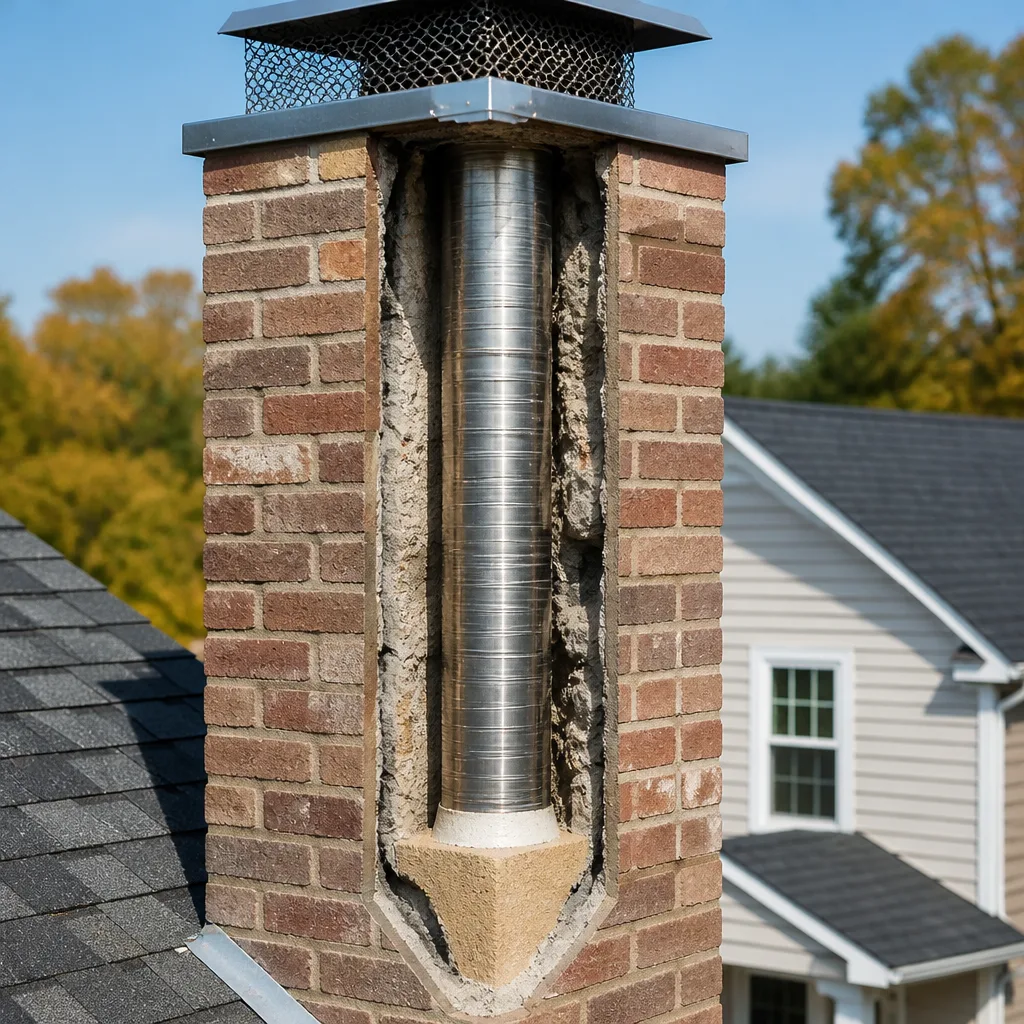 Flue relining
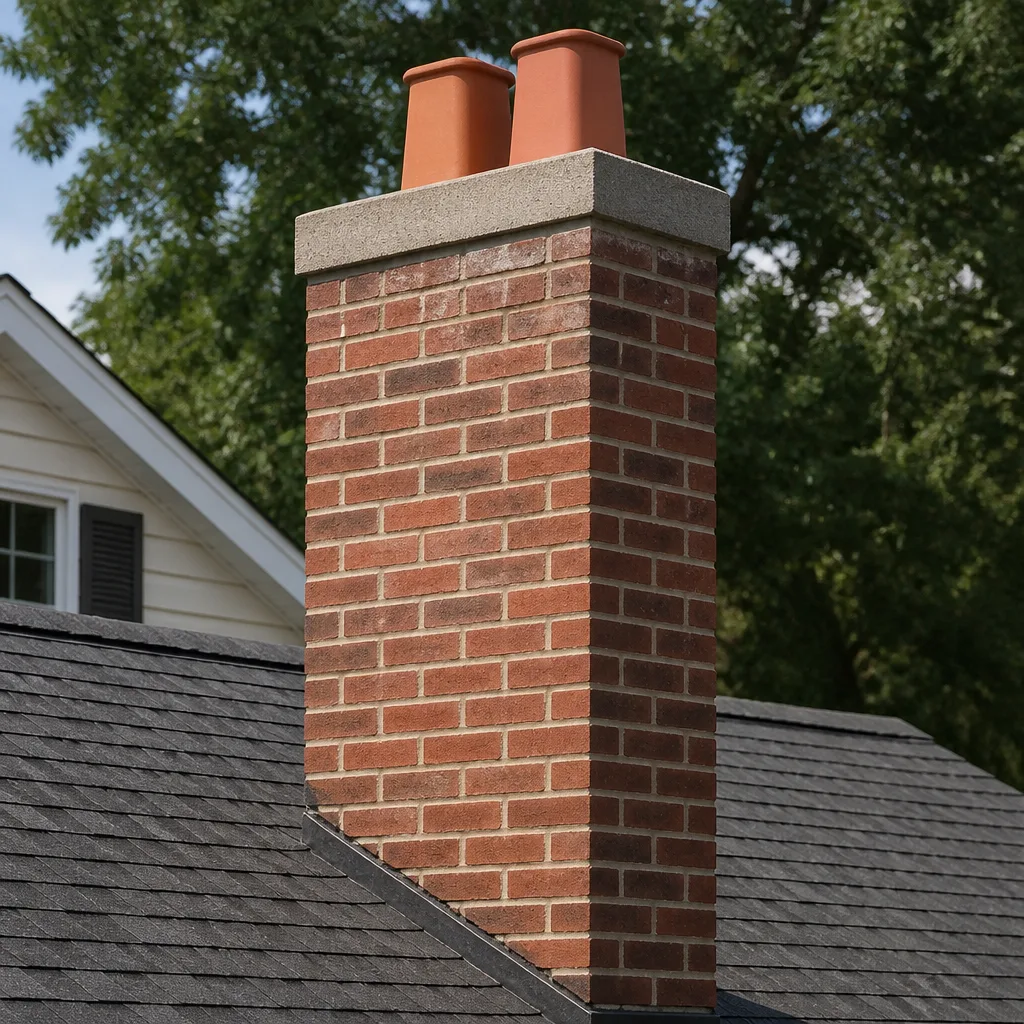 Masonry repair
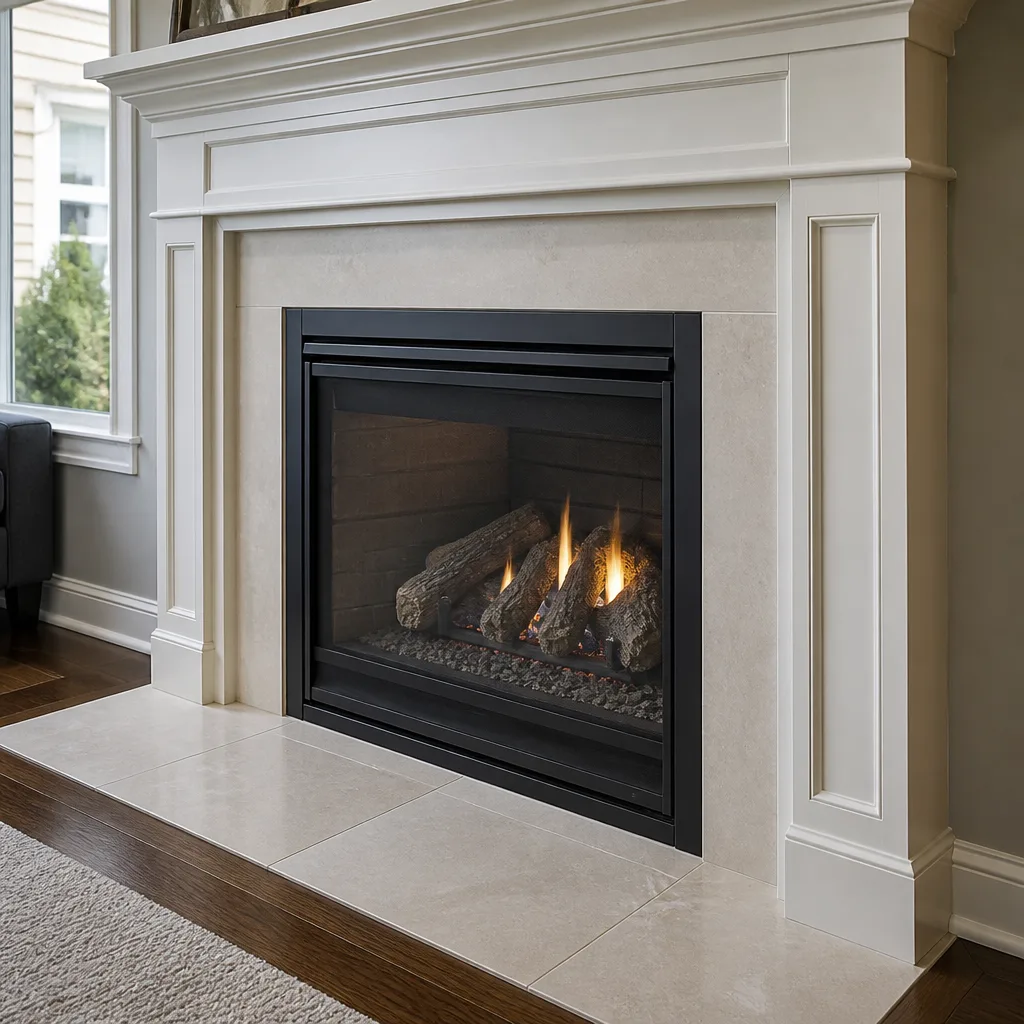 Gas fireplace service
Level 1 sweep and inspection to the NFPA 211 annual standard - flue, crown, cap, and flashing checked and photographed
Chimney sweep logs do not sweep chimneys. They loosen some creosote - which then falls where a brush and vacuum still have to collect it.
How to Hire a Chimney Cleaning Contractor in Palm Coast: A Step-by-Step Guide
There’s no Florida state license that’s specific to chimney sweeps. Which means anyone with a shop vac and a brush kit can legally call themselves a chimney cleaning company in Palm Coast. That’s the uncomfortable truth most hiring guides skip. The logo on a website, the truck in the driveway, the confident handshake: none of it proves the person on your roof knows a stage 3 creosote deposit from a harmless soot glaze. What separates a real trade specialist from a fly-by-night sweep isn’t marketing. It’s verifiable credentials, documented inspection, and the materials that go inside your chimney. This guide gives you the exact questions and verification steps to tell the difference before you pay anyone.
Quick Answer
To hire a chimney cleaning contractor in Palm Coast, verify credentials directly through CSIA and NFI rather than trusting a logo, demand a documented inspection before any sweeping quote, and ask which brands the contractor installs for liners and caps. A legitimate estimate includes specific liner measurements, a creosote stage assessment, and documented component condition. If a contractor skips the inspection or can’t name their materials, walk away.
Styles & brands we work with
- Sweep & inspection
- Caps & crowns
- Flue relining
- Masonry repair
- Gas fireplace service
Table of Contents
- Why Hiring the Right Chimney Contractor Matters in Palm Coast
- Step 1: Verify CSIA and NFI Credentials Directly
- Step 2: Read the Estimate Like a Professional
- Step 3: Spot the Palm Coast Market Red Flags
- Step 4: Ask Which Materials and Brands They Install
- Step 5: Protect Yourself in the Contract
- The 12 Questions to Ask Before You Book
- Common Mistakes to Avoid
- When to Call a Professional
Why Hiring the Right Chimney Contractor Matters in Palm Coast
Chimneys in Palm Coast live a different life than chimneys in colder parts of the country. Fireplaces here often sit unused for months, then get worked hard during the few cold snaps that roll through Flagler County. That stop-and-start pattern creates its own set of problems. Long idle periods let moisture work on masonry crowns and fireboxes. Sudden heavy use builds creosote fast, especially with wood that hasn’t been properly seasoned.
The housing stock adds another layer. Palm Coast has a large number of homes built across the 1990s and 2000s, many with factory-built fireplaces and inserts rather than traditional masonry. Those systems have specific clearance requirements and specific liner specifications. A sweep who treats every chimney the same way is a sweep who doesn’t understand what they’re looking at.
And here’s the part that matters most for your wallet: the gap between the cheapest bid and the most thorough bid in this market can be enormous, because “chimney cleaning” means wildly different things depending on who’s quoting. One contractor means a brush down the flue and a peek with a flashlight. Another means a camera inspection, a written condition report, and photographic documentation of what was found. Same service name. Completely different product.
What you’re really buying when you hire well is a professional who can identify a cracked crown, a deteriorating liner, or a failing cap before those problems turn into water damage inside the house. That’s why our approach here is inspect first, recommend second. The cleaning is the easy part. The judgment is what you’re paying for.
Step 1: Verify CSIA and NFI Credentials Directly
Any chimney contractor can put a certification logo on their website. Verifying it takes about five minutes. The Chimney Safety Institute of America (CSIA) maintains a searchable directory of certified sweeps, and the National Fireplace Institute (NFI) does the same for its certified professionals. Look the contractor up in both directories yourself. Don’t ask them to send you a certificate image, because images are easy to borrow. Check the directory.
What those credentials actually mean:
- CSIA certification means the individual has passed an exam on chimney and venting system fundamentals, and must recertify on a cycle. It’s the baseline credential in this trade.
- NFI certification covers hearth appliance installation and service, including gas and wood systems. It matters most if you have an insert or a gas appliance.
- Verification by name matters more than verification by company. Certifications belong to individuals, not businesses. Ask which technician will do the work and whether that person is certified.
Ask the contractor directly: “Who’s doing this job, and what’s their CSIA number?” A legitimate trade specialist answers without hesitation. A company that hasn’t invested in certification will pivot to talking about their experience, their equipment, or their reviews. None of that substitutes for a credential you can look up.
One more thing worth understanding: credential verification protects you against a specific failure mode. An uncertified sweep may genuinely believe they’re doing good work while missing a hairline crack in a firebox or a liner joint that’s pulling apart. The damage from that miss doesn’t show up on the day of the service. It shows up months later. Our technicians have up to experience, and we still treat CSIA standards as the floor, not the ceiling.
Step 2: Read the Estimate Like a Professional
A vague quote and a legitimate estimate look similar on the surface, because both arrive as a number. The difference is what’s behind the number. Here’s what a professional-grade estimate for chimney work in Palm Coast should contain.
- Specific liner measurements. A real estimate states the flue dimensions, the liner diameter being specified, and the liner length. If the quote says “liner replacement” with no dimensions, the contractor either hasn’t measured or hasn’t documented the measurement.
- A creosote stage assessment. Creosote is classified in stages, and the stage determines the cleaning method and the price. Stage 1 is a light soot deposit. Stage 2 is flaky and denser. Stage 3 is a hardened glaze that requires specialized removal. Your estimate should say which stage was found.
- Documented component condition. Crown, cap, damper, firebox, smoke chamber, and flashing should each get a written condition note. “Chimney in good shape” is not documentation.
- The inspection method. Camera inspection or visual only? A video scan of the flue interior is how a contractor finds defects that can’t be seen from the firebox.
- Scope boundaries. What’s included, what’s excluded, and what would trigger additional cost. This is the single most important section and the one most often left fuzzy.
When we quote a job, the written estimate sets the final price. If the inspection turns up something that changes the scope, that gets discussed before any work proceeds, not after the invoice is printed. Ask any contractor you’re considering to commit to the same in writing. A contractor who resists putting scope in writing is telling you something useful.
Something worth knowing: Palm Coast homeowners are understandably wary of being told they need thousands of dollars of liner or masonry work they can’t verify. The answer to that wariness isn’t a better sales pitch. It’s a camera. Nothing should be recommended on your chimney without visual evidence you can see for yourself, and a professional should be willing to tell you plainly when a repair can safely wait.
Step 3: Spot the Palm Coast Market Red Flags
The local market has a few patterns worth knowing about. Some are specific to this area. Others are universal but show up here in particular ways.
- Out-of-area sweeps with no local context. A contractor who drives in from another county and doesn’t consider how this region’s humidity and long idle seasons affect masonry and fireboxes is guessing. Ask what they typically find on Palm Coast chimneys. The answer tells you whether they’ve actually worked here.
- Pricing that skips inspection entirely. If you get a firm price over the phone before anyone has looked at the chimney, that price was invented. Sweeping costs vary by flue condition, access, and creosote stage. Nobody can quote accurately without seeing it.
- The one-hour chimney clean. A legitimate sweep involves setup, protection of your floor and furnishings, brushing, vacuuming with a HEPA system, and a visual check of components. A rush job usually means the cleanup was skipped or the inspection never happened.
- No documentation offered. Contractors who don’t photograph before and after, or don’t provide a written report, are leaving you with no way to verify the work or establish a baseline for next time.
- Pushy upsell on the first visit. If a sweep arrives for a cleaning and immediately recommends a full liner replacement with no camera footage to show, that’s a red flag. Ask to see the video.
- No physical business identity. A contractor who can’t tell you where the business is registered, what insurance they carry, and who their certified technicians are is a contractor who hasn’t built a business worth hiring.
None of these red flags require confrontation to check. Most of them resolve themselves in a five-minute phone conversation, if you ask the right questions with a pen ready.
Step 4: Ask Which Materials and Brands They Install
Here’s the part of the hiring decision that gets almost no attention, and it’s arguably the most important. Labor skill determines whether a job is done correctly on the day. Materials determine whether it holds up five years later. A perfectly installed off-brand cap fails in the same weather that a quality cap survives. A generic liner clamps onto the same flue as a professional-grade one, and the difference shows up in how it performs over time.
Ask any contractor you’re considering which brands they install and why. The trade has recognizable names for a reason, and a professional should be able to explain their choices rather than just recite brand logos.
- Liner systems. DuraFlex is a recognized name in flexible stainless liner systems. When a contractor specifies DuraFlex, ask why that product fits your flue geometry and appliance type. The answer should be technical, not marketing.
- Liner resurfacing. HeatShield is the industry’s leading chimney resurfacing system, and it’s a genuinely different capability from liner replacement. It extends chimney life by repairing the liner from the inside instead of replacing it. Not every sweep is HeatShield-qualified, and many will simply refer the work out. We use HeatShield because it lets us address certain liner problems without a full replacement when that’s the right call.
- Caps and weatherproofing. Gelco and Famco caps are the brands chimney professionals specify for durability and proper draft control. A cap isn’t just a lid. It manages moisture, discourages animal entry, and affects draft. A cheap cap that blocks too much airflow causes its own problems.
- Components and specialty parts. Olympia Chimney and Copperfield are two of the most comprehensive supply networks in the trade. Contractors who source from them can get uncommon components instead of substituting whatever fits.
The pattern to notice: a contractor who only cleans and refers out repairs doesn’t stock materials, doesn’t develop material expertise, and has no stake in whether the repair lasts. That’s why we cover the full loop here: inspection to identify the problem, sweeping to clear it, and repair to fix it, all handled by the same team so nothing falls between contractors.
If you want to understand the full scope of what’s available before you hire, the overview on our Chimney Sweep Palm Coast page is a reasonable starting point. And if you’re still deciding whether a sweep is even necessary, the answer usually depends on what the inspection finds.
Step 5: Protect Yourself in the Contract
A chimney contract doesn’t need to be long. It needs to be specific. These are the terms worth insisting on before any work begins.
- Scope of work written down to component level. “Clean chimney and install cap” is not a scope. “Sweep flue to remove stage 2 creosote, install stainless cap on flue, inspect crown and note condition” is a scope.
- Before-and-after photographic documentation. Photos protect you and the contractor. They establish baseline condition, prove the work was done, and give your next contractor a reference point.
- Camera inspection with a viewable report. If the estimate includes a camera scan, the footage should be available to you. Ask for it directly.
- Warranty terms on parts and labor, stated separately. Materials warranties come from manufacturers and vary by product. Labor warranties come from the contractor. Both should be written down, including duration and what voids them.
- Written approval before scope changes. The contract should say that additions get your written approval before work continues. This one clause eliminates most billing disputes.
- Cleanup and property protection. Floor coverings, furniture protection, and HEPA vacuuming should be stated, not assumed.
A contractor who works with professional-grade materials should have no trouble warranting them. One who won’t put warranty terms in writing knows the materials aren’t worth warranting.
The 12 Questions to Ask Before You Book
Print this list or keep it open on your phone. Every question has a purpose, and the answer quality tells you as much as the answer itself.
- Who will be doing the work, and are they CSIA certified? Get a name and verify it in the CSIA directory.
- Do you include a camera inspection with a cleaning? If no, ask how they identify liner defects.
- What creosote stage did you find, and how do you determine it? A vagueness here means they didn’t assess.
- What liner dimensions are you specifying, and why? Specific numbers or no answer.
- Which liner brands do you install? DuraFlex is a good benchmark question. Listen for a technical reason.
- Are you HeatShield-qualified for resurfacing? If not, they’ll refer that work out. That’s useful to know upfront.
- What brand caps do you install? Gelco or Famco indicates professional-grade specification.
- Which parts do you source from Copperfield or Olympia Chimney? Suppliers that don’t carry uncommon components substitute whatever fits.
- What’s included in the written estimate, component by component? Listen for crown, cap, damper, firebox, smoke chamber.
- Do I get before-and-after photos? Anything less than yes is a no.
- What’s the warranty on parts, and what’s the warranty on labor? Two answers, both specific.
- What are your insurance details, and can you send a certificate? Insured & bonded is a minimum, not a selling point.
Seems like a lot of questions. It isn’t. The whole conversation takes ten minutes and it filters out almost everyone who shouldn’t be on your roof.
What to Check on the Day of the Service
The hiring process doesn’t end when you book. What happens on the day of the service is where a lot of homeowners lose track of whether the work actually matched the promise.
Before the technician starts, walk the chimney’s visible components together. Point out your damper, your firebox, your crown. You don’t need to know what you’re looking at. You need to hear what they say about it, so you can compare that to the written report afterward. If something gets identified as a problem that wasn’t in the estimate, ask to see the camera footage.
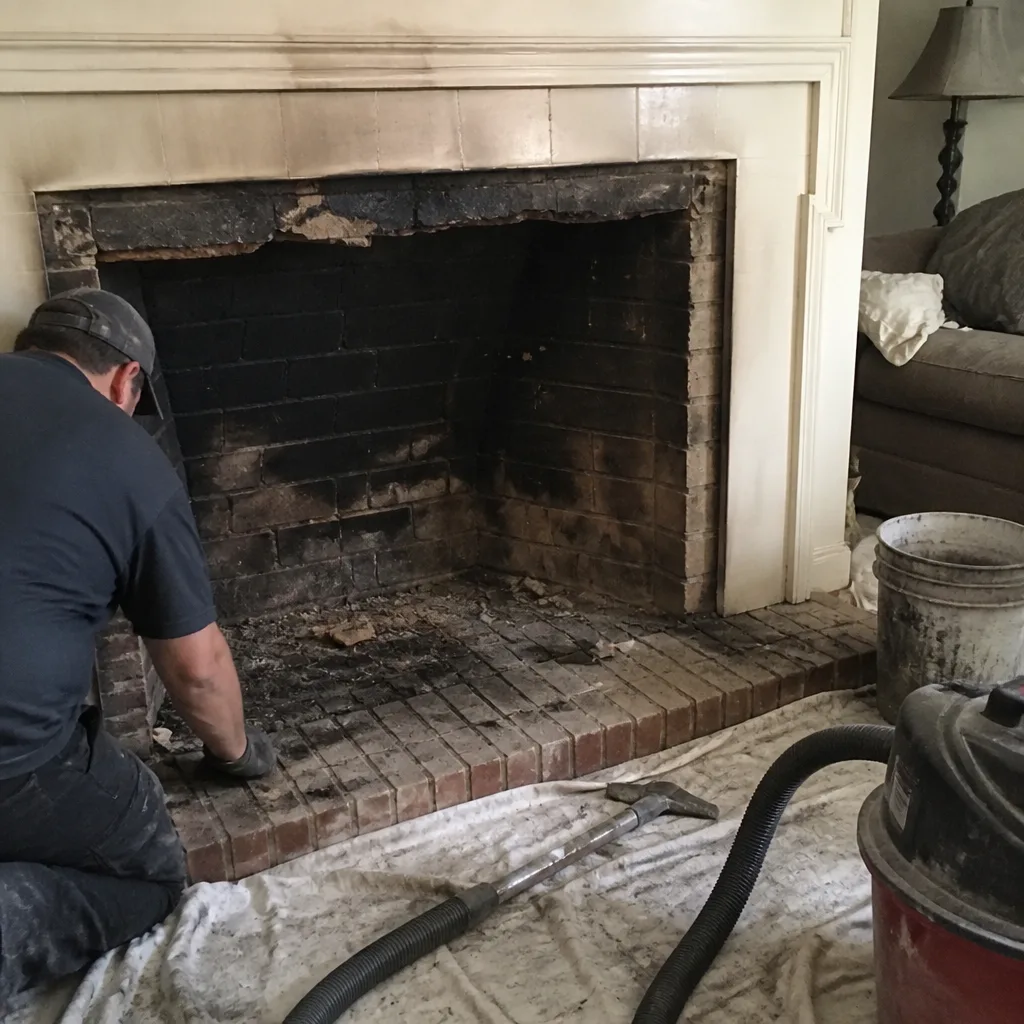
During the work, floor coverings and furniture protection should be in place before any equipment comes in. A HEPA vacuum should be running throughout. If you step into the room mid-job and there’s visible dust settling, the containment is failing, and you should say so.
Before the technician leaves, ask for three things: the written condition report, the before-and-after photos, and a clear statement of what they recommend next and when. If a recommendation comes up, ask one direct question: “Can you show me?” If the answer involves pointing at something in a photo, you’re in good hands. If it involves talking about what usually happens in older homes, ask for the photo.
That single habit, asking to see the evidence, is the strongest protection a homeowner has. Nothing should be recommended on your chimney without camera or photographic evidence you can review yourself.
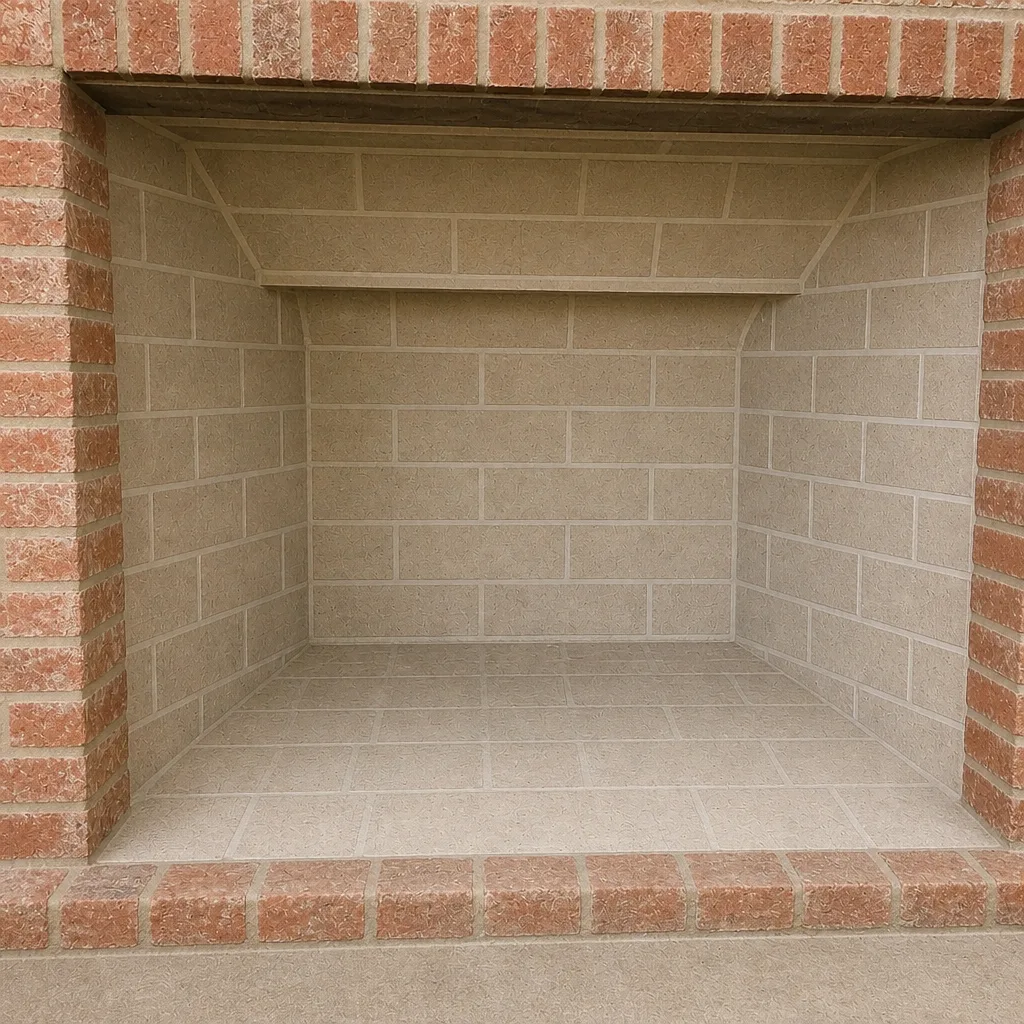
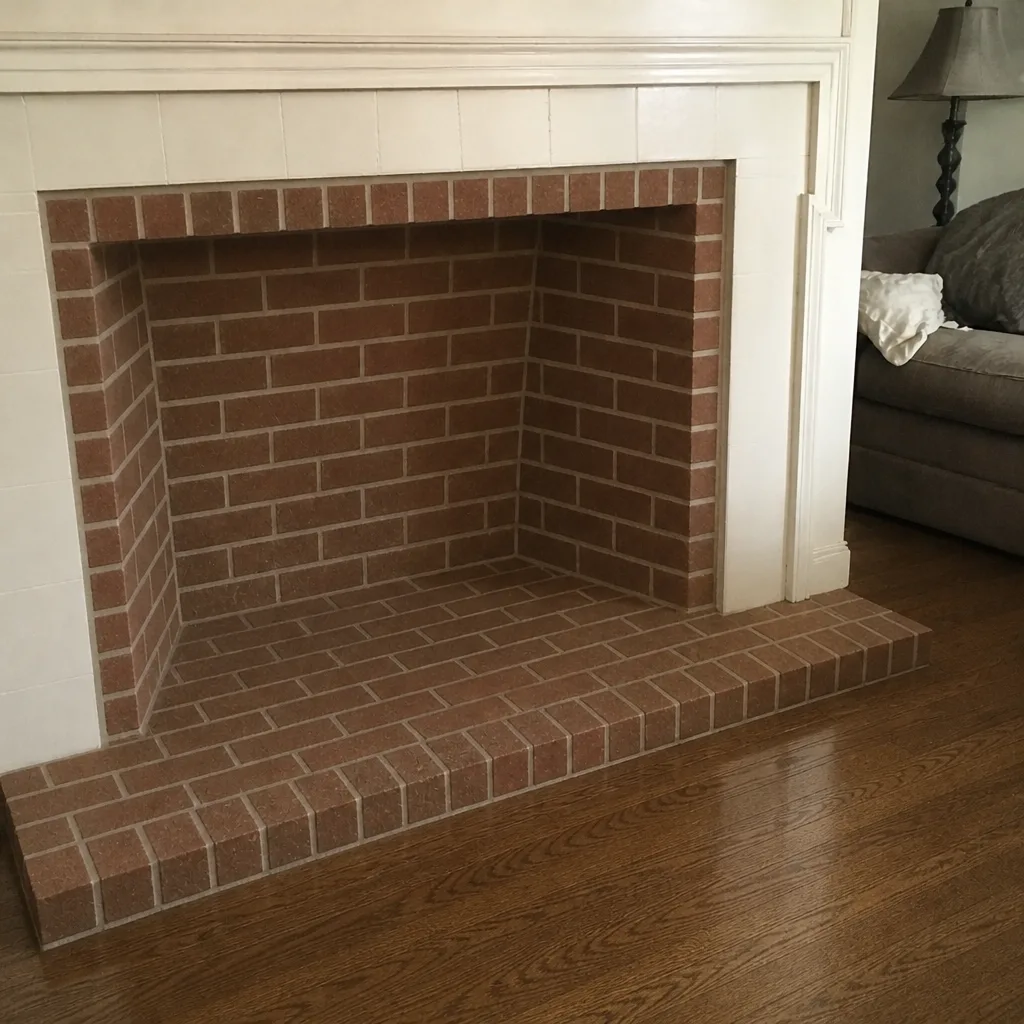
See the difference
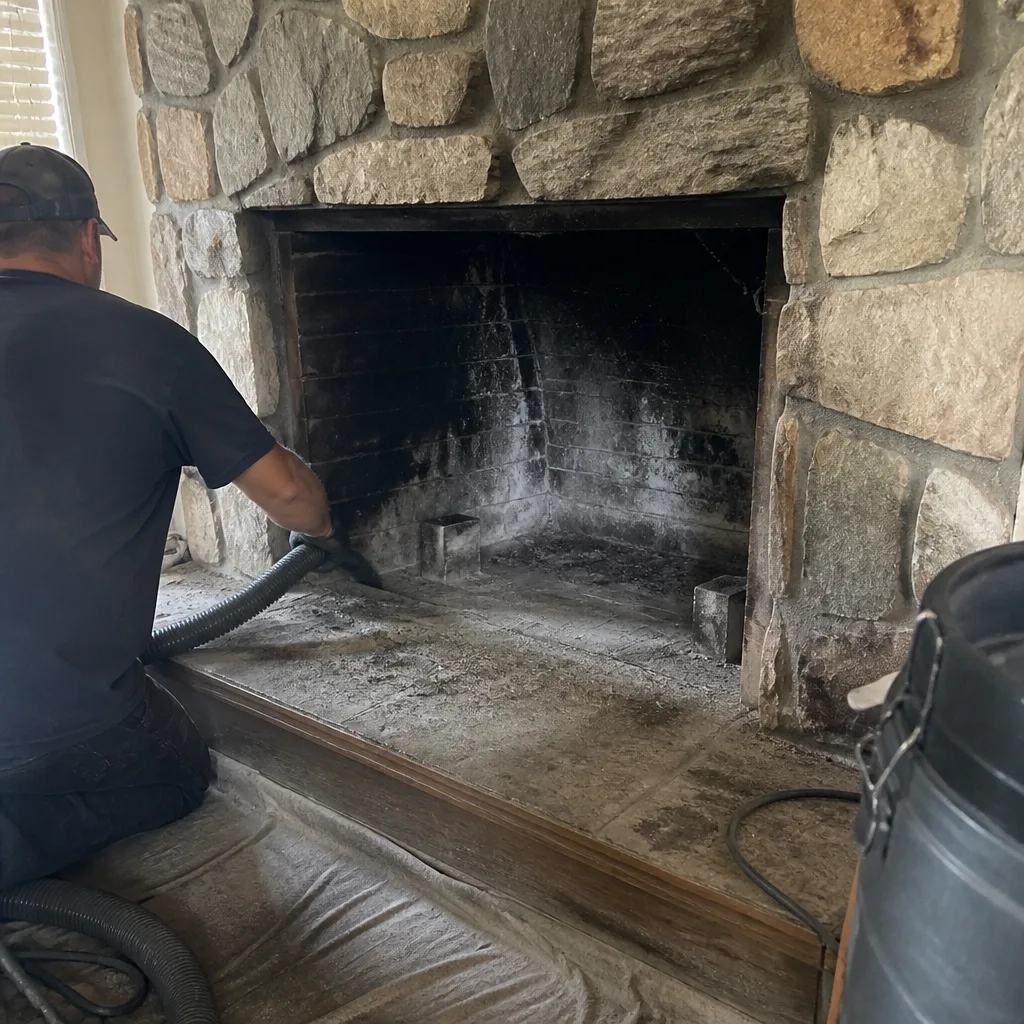 Before
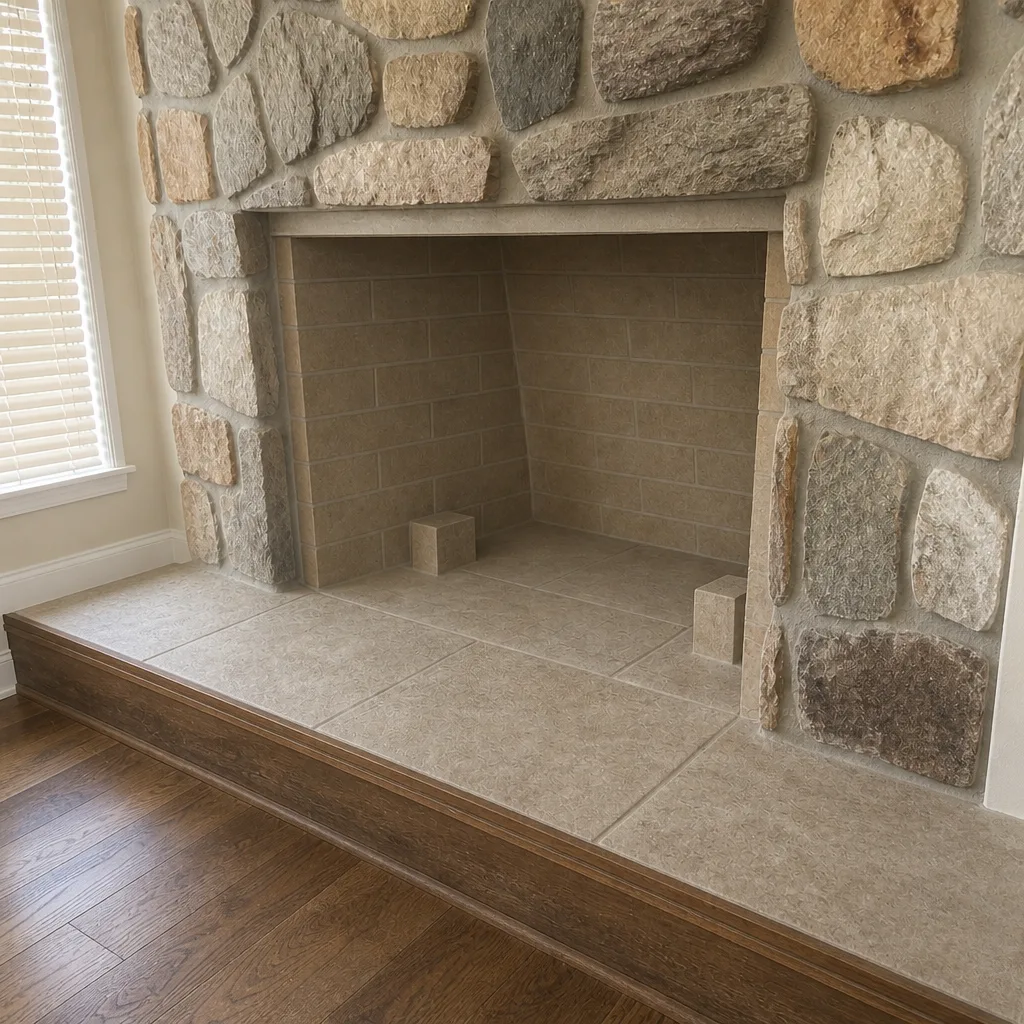 After
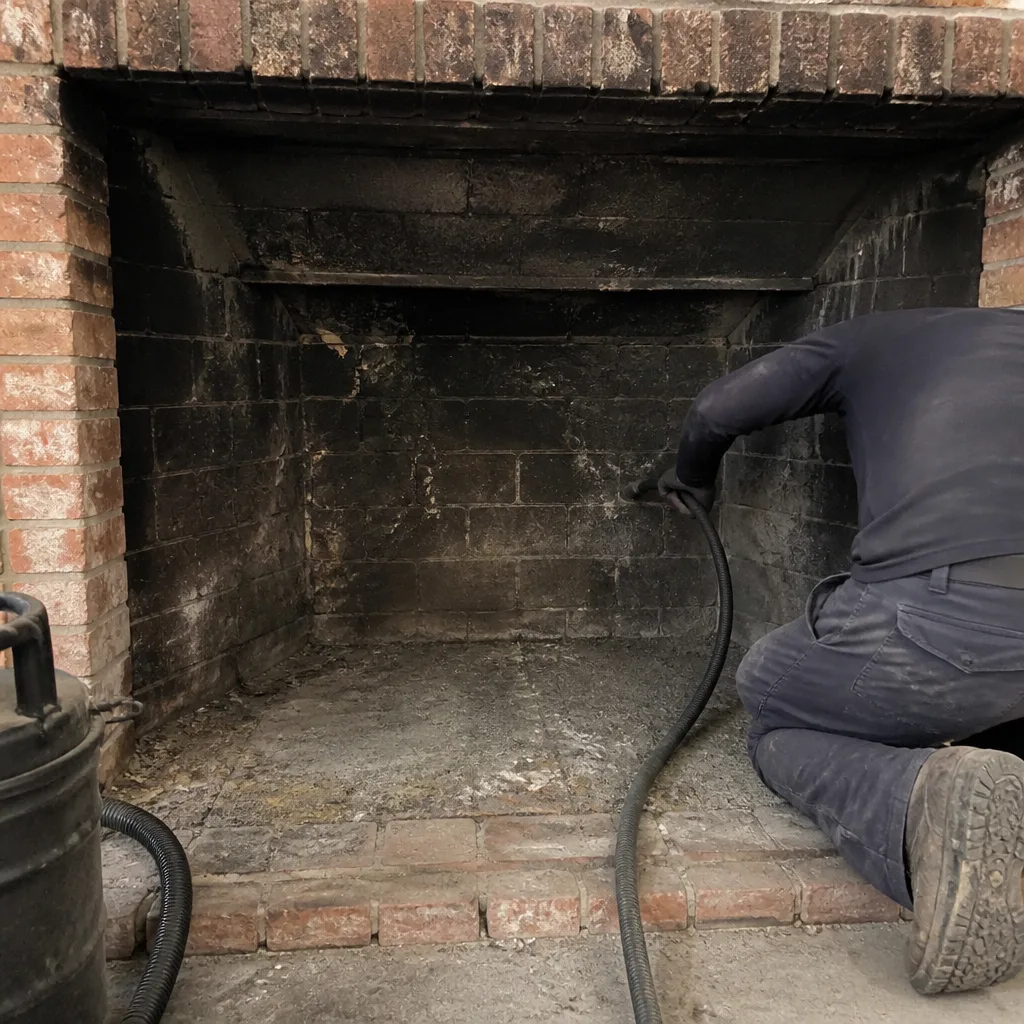 Before
 After
 Before
 After
How Much Should Chimney Work Cost in Palm Coast?
We won’t quote a number here, because chimney pricing depends entirely on what the inspection finds and pricing is set per job by a written estimate. But you can expect the total to break into predictable bands, and understanding those bands helps you judge whether a quote makes sense.
- A standard sweep is the lowest-cost item. It varies by flue length, access, creosote stage, and whether a camera inspection is bundled.
- Inspection included raises the price, and it’s money well spent. A sweep with no inspection is a cleaning with no accountability.
- Minor repairs like cap replacement or crown patching sit in the middle range.
- Liner resurfacing with HeatShield costs more than a sweep and typically less than a full liner replacement.
- Full liner replacement with a professional-grade system like DuraFlex is the largest line item, and it should always come with documented evidence that replacement is genuinely necessary.
The variable that should not drive price is speed or scheduling. A quote that’s noticeably below the others usually reflects uncertified labor, a skipped inspection, or generic materials. Professional-grade materials at residential pricing is the balance to look for. If a contractor can explain exactly which materials they’re using and why, they’re probably pricing fairly. If they can’t, the price is the least of your problems.
If you want a clear picture of what your specific chimney needs, the first step is an inspection. The team at Chimney Sweep Palm Coast offers free estimates, and the written estimate sets the final price.
What’s Different About Palm Coast Chimneys
A few local realities shape what a good contractor should be looking for on your chimney.
Humidity and idle seasons. Chimneys here sit unused through the long warm months and then get heavy seasonal use. That cycle stresses masonry, cracks crowns, and can loosen flashing. A contractor who only looks at the flue and not the exterior is missing half the picture.
Factory-built fireplaces are common. Many Palm Coast homes have factory-built systems rather than masonry. These have manufacturer-specified clearances and liner requirements. A contractor who treats them like masonry chimneys may do work that’s technically incorrect for the appliance.
Gas appliances need their own attention. If you have a gas log set or a gas fireplace, the venting requirements differ from wood. A sweep familiar with both wood and gas systems will ask what you have before they arrive. One who doesn’t may show up with the wrong equipment.
Inserts change the service. A wood-burning insert requires removal for a proper sweep and inspection. If a contractor quotes a sweep without asking whether you have an insert, ask them how they plan to clean behind and around it.
These details matter because they’re the questions that separate a contractor with local experience from one who’s guessing. Our technicians have up to experience working with both masonry and factory-built systems, and that distinction comes up on nearly every job in this area.
Common Mistakes to Avoid
- Hiring on price alone. The lowest bid in a market where credentials are easy to fake is the bid most likely to come from an uncertified sweep using generic parts. Pay for the inspection and the materials, not just the brush.
- Trusting a logo without checking the directory. Any website can display a CSIA badge. Verify it in the official directory by technician name, not company name.
- Accepting a phone quote without an inspection. A firm price given before anyone has seen the flue is a price that will change later. Ask for a written estimate generated after the inspection.
- Skipping the documentation request. Homeowners who don’t ask for photos and a written report have nothing to compare against next season, and no evidence if a problem develops.
- Not asking about materials until after the bid. Ask which liner, cap, and component brands a contractor uses before you compare prices. Two bids that look similar can mean very different materials.
- Assuming a full liner replacement is the only option. HeatShield resurfacing addresses certain liner problems without replacement. A contractor who doesn’t offer it may not know it’s an option, or may not be qualified.
- Booking a sweep without knowing your system. If you don’t know whether you have a masonry chimney, a factory-built fireplace, an insert, or a gas appliance, find out before the appointment. The answer affects the service.
When to Call a Professional
Some situations call for a professional immediately. If you smell a strong creosote odor that doesn’t clear, if smoke backs into the room when you light a fire, if you see cracked or crumbling masonry in the firebox, or if you’ve had a chimney fire (even a small one you put out yourself), pick up the phone before you burn again. A chimney fire can damage the liner even when the fire looks contained from the room.
Other situations are less urgent but still worth scheduling. If you use your fireplace regularly and haven’t had it swept in a season or two, book an inspection. If you just moved into a Palm Coast home with a chimney and have no service records, start with an inspection before your first fire. If your cap is loose, dented, or missing, that’s a moisture and animal entry problem that gets worse with time.
Chimney Sweep Palm Coast offers free estimates in Palm Coast. Call (877) 471-4123. We answer 24/7. Fast dispatch from 7am to 7pm, Sunday through Friday.
Frequently Asked Questions
Verify the individual technician, not the company, by searching their name in the CSIA online directory and the NFI directory separately. Logos and certificate images on a website can be borrowed; a directory listing cannot. Ask who will do the work, get their name, and look it up yourself. Call (877) 471-4123 for an exact quote on your chimney, estimates are free.
A visual check from the firebox can’t see liner joints, cracks above the smoke chamber, or obstructions further up the flue. A camera inspection is how a contractor finds defects that aren’t visible from below. Ask to see the footage; a professional will show you without hesitation. Call (877) 471-4123 for a free estimate.
A legitimate estimate includes specific flue and liner dimensions, a creosote stage assessment, component-by-component condition notes for crown, cap, damper, firebox, and smoke chamber, the inspection method used, and clear scope boundaries. A quote that lists only a price and a service name is not an estimate. Call (877) 471-4123 for a written estimate.
Labor determines whether a job is done right today; materials determine whether it holds up years from now. Contractors who install recognized brands like DuraFlex liners, HeatShield resurfacing, and Gelco caps can explain why each product fits your system. Contractors who install generic parts often can’t, and those parts fail sooner. Call (877) 471-4123 for an exact quote, estimates are free.
Sometimes, yes, and a professional should tell you plainly when a repair can safely wait. Problems that can’t wait include cracked firebox masonry, a damaged liner, a loose or missing cap, and any chimney that’s had a fire. The way to know which situation you’re in is an inspection with documented evidence. Call (877) 471-4123 to book one.
You get a cleaning without any information about your chimney’s actual condition. Cracks, liner deterioration, and failing caps go undocumented, which means they get worse unnoticed until they cause a bigger and more expensive problem. The inspection is the foundation of every legitimate recommendation. Call (877) 471-4123 for a free estimate that includes one.
The Bottom Line
Hiring a chimney contractor in Palm Coast comes down to verification. Check CSIA and NFI credentials in the official directories, by technician name. Demand a camera inspection and a written report with component-level detail before you accept any quote. Ask which brands the contractor installs, and listen for technical reasons rather than brand-name recitation. Insist on scope language, before-and-after photos, and separate warranties for parts and labor. And ask to see the evidence behind every recommendation. That last habit alone filters out most of the bad actors in this market. If you want a straightforward second opinion, our team handles the full inspection-to-repair loop, and we welcome the question that matters most: can you show me?
Chimney Sweep Palm Coast offers free estimates on chimney sweeping, repair, and inspection. Call (877) 471-4123. We answer 24/7. Fast dispatch from 7am to 7pm, Sunday through Friday.
Written by the team at Chimney Sweep Palm Coast.