
Last updated November 16, 2026
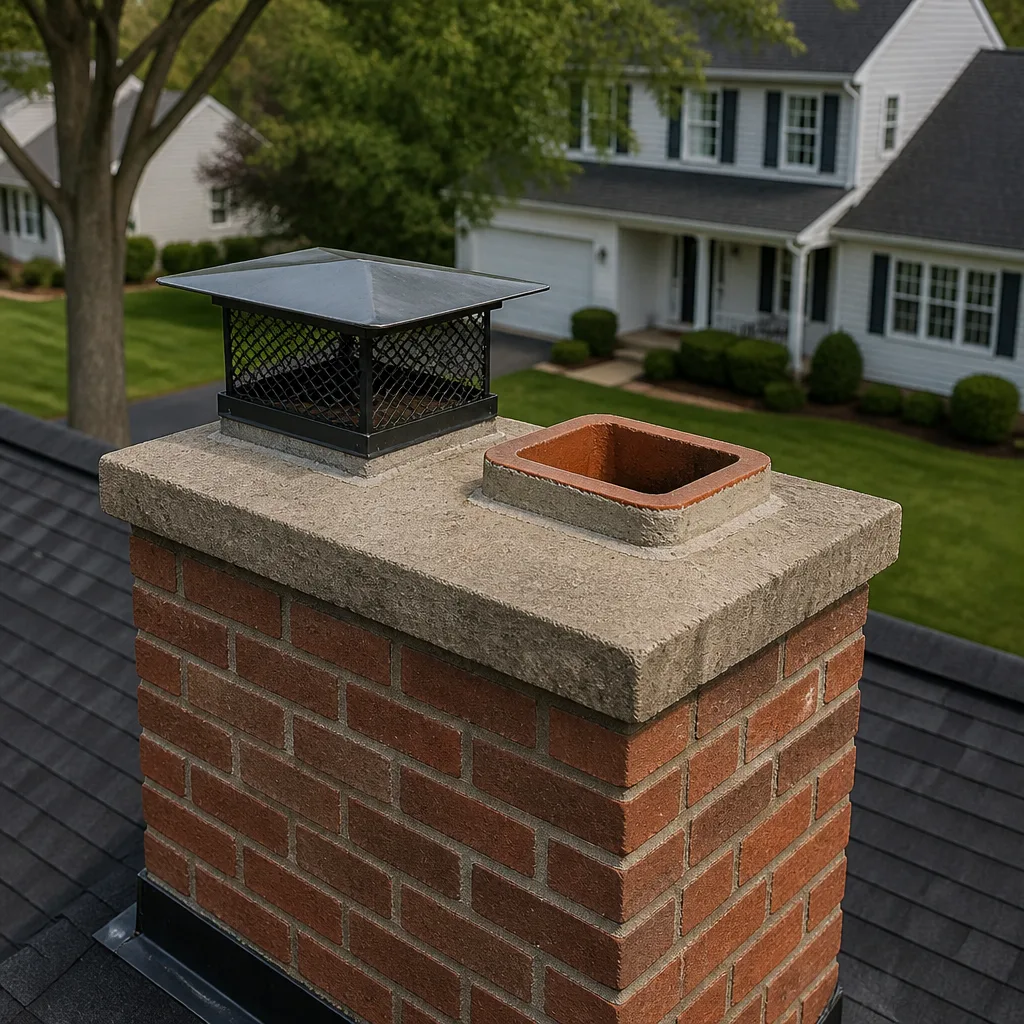 Sweep & inspection
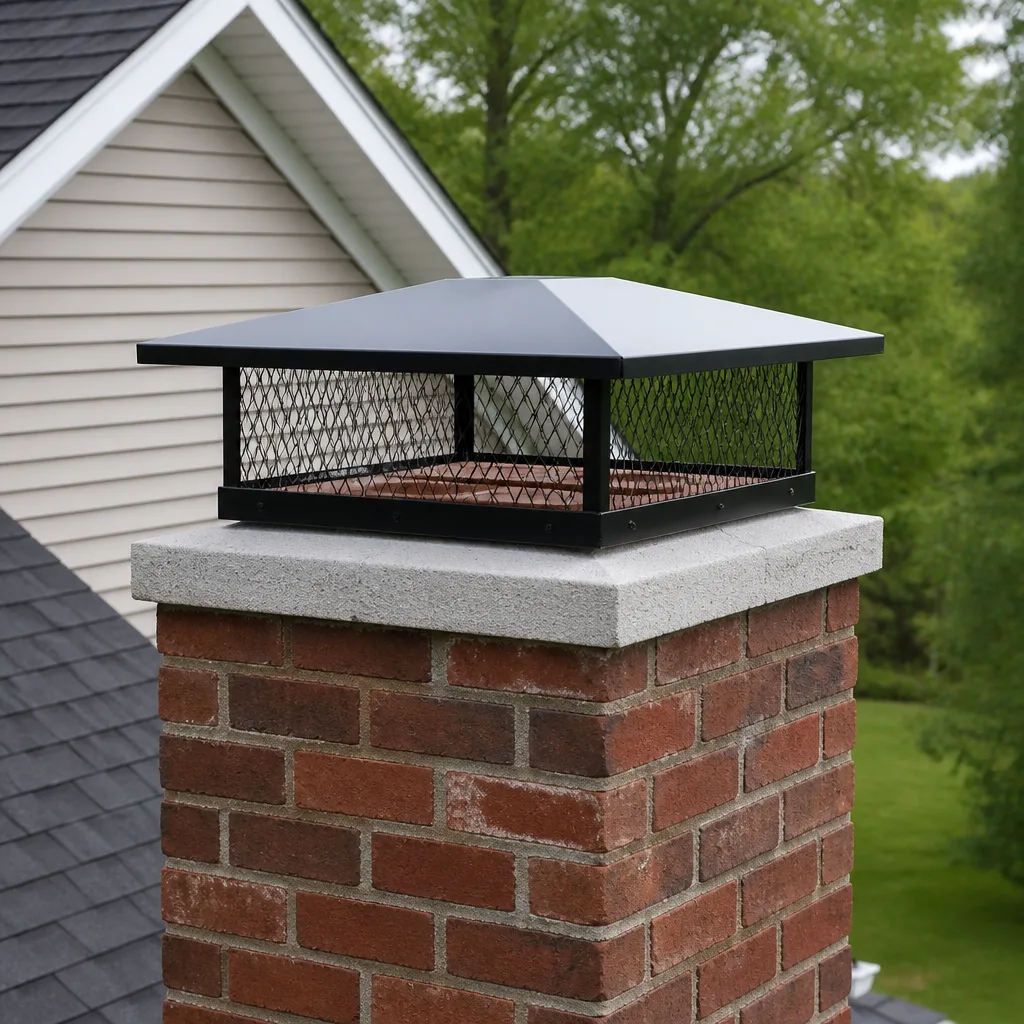 Caps & crowns
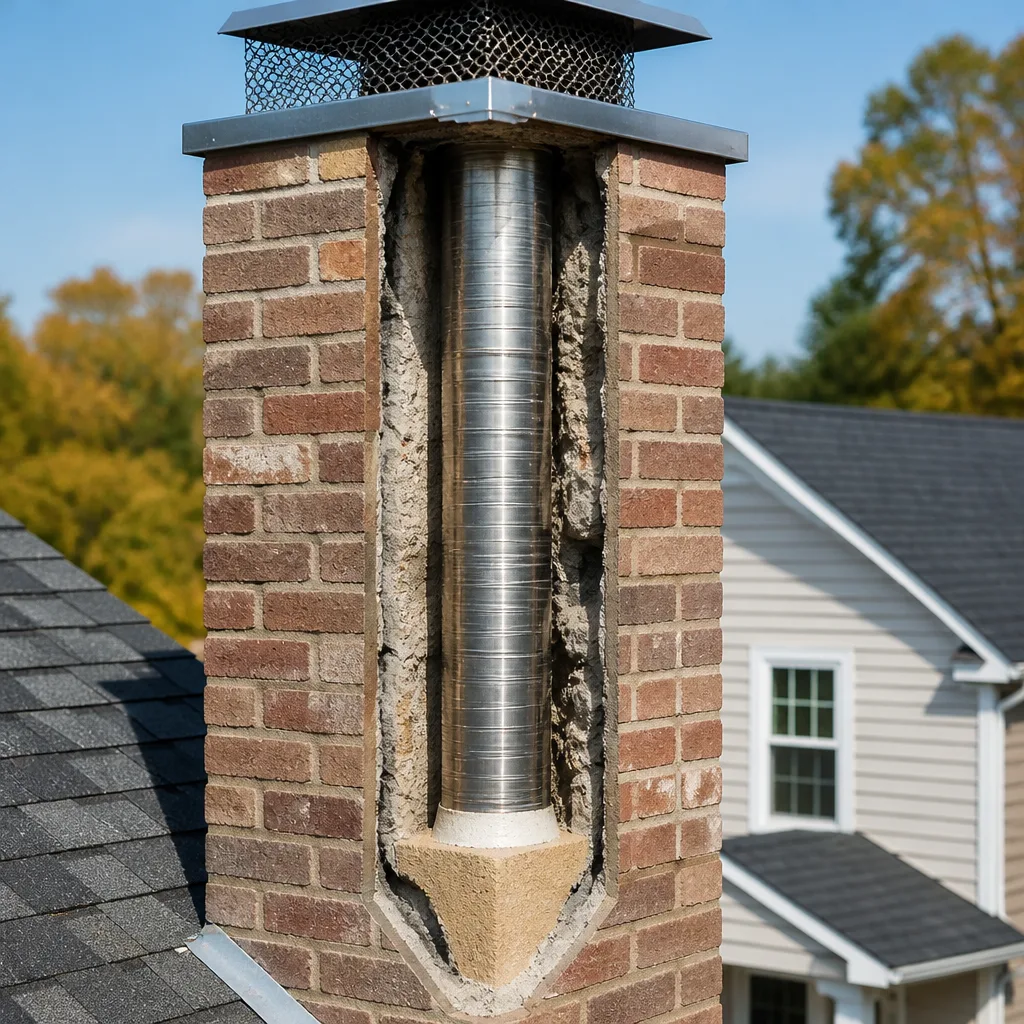 Flue relining
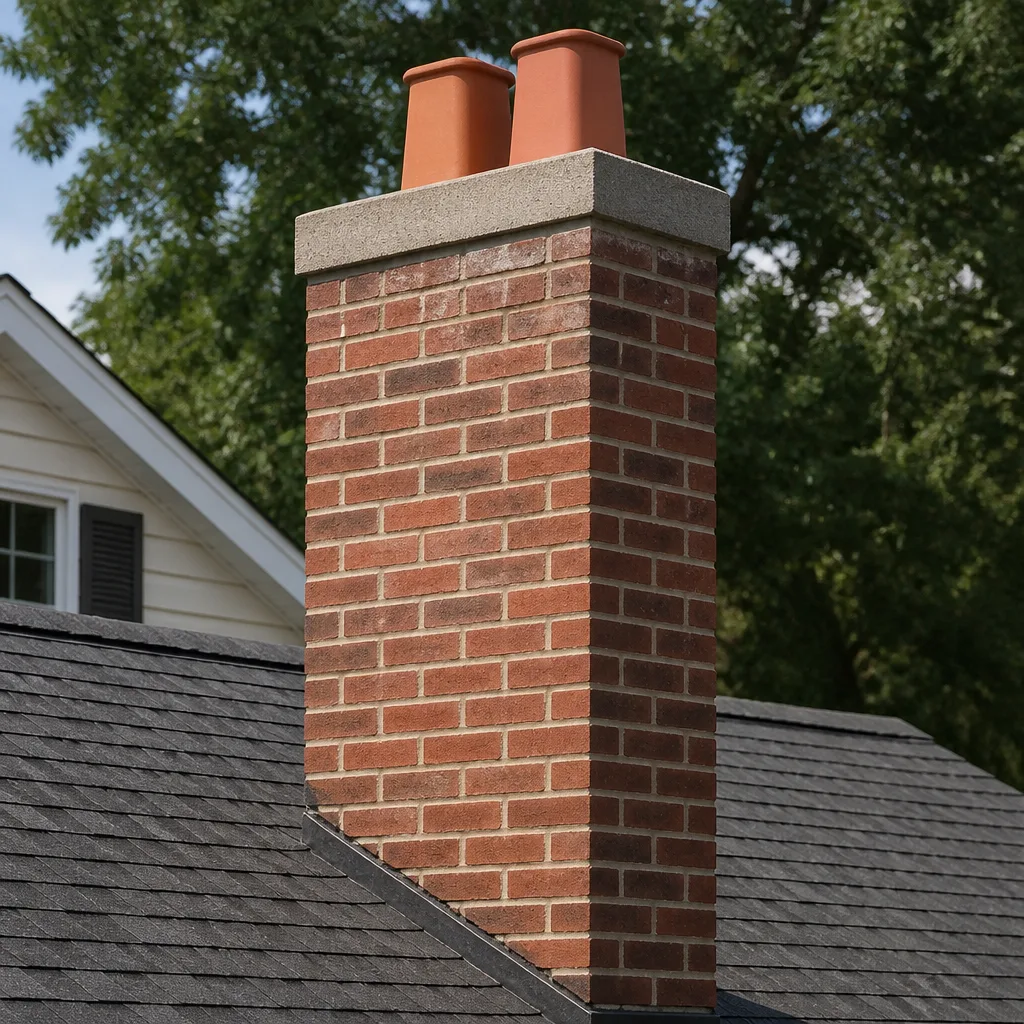 Masonry repair
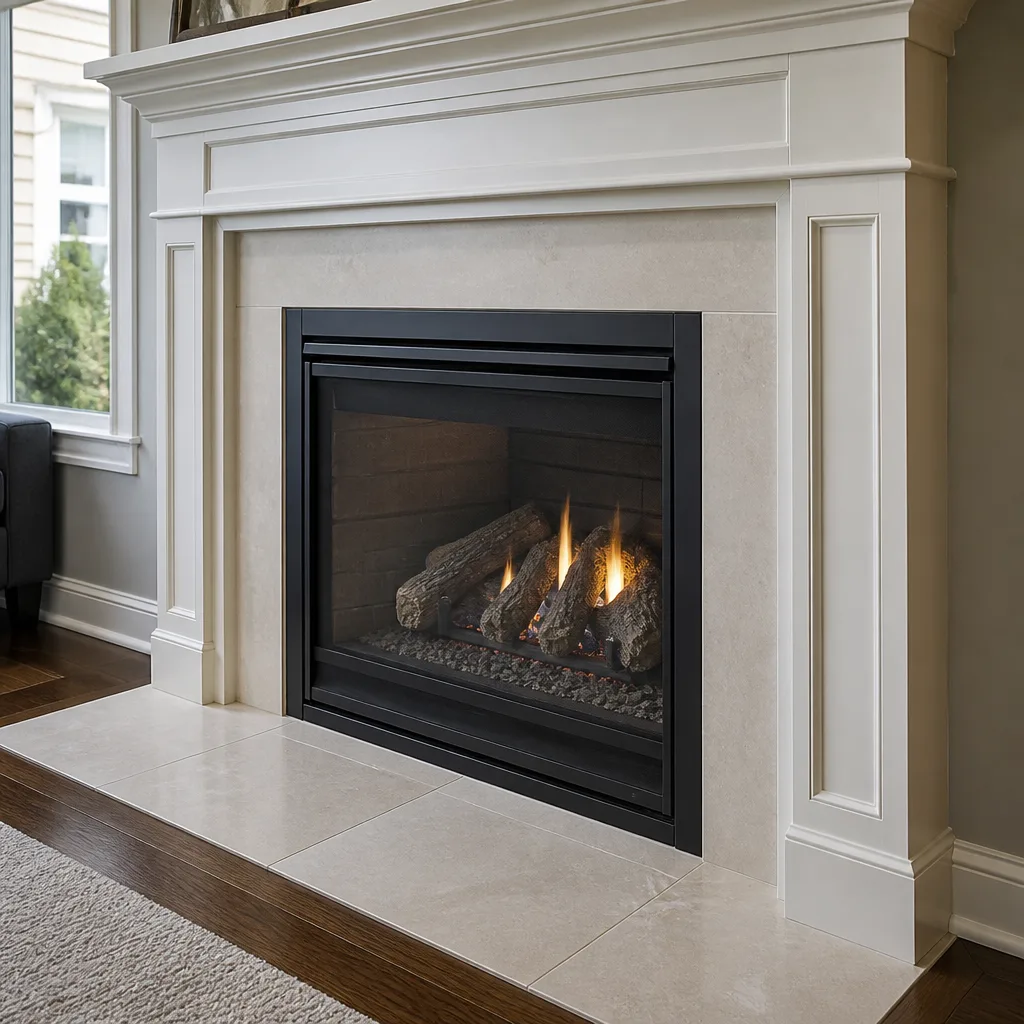 Gas fireplace service
Level 1 sweep and inspection to the NFPA 211 annual standard - flue, crown, cap, and flashing checked and photographed
Chimney sweep logs do not sweep chimneys. They loosen some creosote - which then falls where a brush and vacuum still have to collect it.
Seasonal Chimney Cleaning Care for Palm Coast: Year-Round Homeowner’s Guide
Most chimney care calendars you’ll find online were written for places with four real seasons, where the whole year builds toward one cold stretch and the fall sweep is the main event. Palm Coast doesn’t work that way. Our burning season is short and mild, the humidity runs most of the year, and the storm window from June through November reshapes what your chimney goes through before you ever think about lighting a fire. That means the timing of each service task here is genuinely different from the generic advice, and the priority order is different too. In this guide we’ll walk through a full twelve-month chimney calendar built for Palm Coast conditions, explain why the post-hurricane inspection matters more than a pre-winter sweep, and show you what to check during the humid off-season so the first fire of the year goes the way it should.
Styles & brands we work with
- Sweep & inspection
- Caps & crowns
- Flue relining
- Masonry repair
- Gas fireplace service
Quick Answer
In Palm Coast, the highest-value chimney service of the year is a post-hurricane-season inspection in October or November, not a fall sweep scheduled by habit. A mid-season check in January makes sense for households that burn consistently, and the humid summer months call for an off-season look at the cap, flashing, and crown before the June rains arrive. A standard annual chimney sweep still belongs on the calendar, but the timing should follow local conditions rather than the four-season template.
Table of Contents
- Why the Palm Coast Chimney Calendar Looks Different
- Post-Hurricane Season Inspection: October and November
- Summer Humidity and Liner Condensation
- Storm Debris and Cap Screens
- The January Mid-Season Check
- What Off-Season Maintenance Really Means Here
- The Palm Coast Twelve-Month Chimney Calendar
- Common Mistakes to Avoid
- When to Call a Professional
- Frequently Asked Questions
Why the Palm Coast Chimney Calendar Looks Different
Chimney advice written for Ohio or upstate New York assumes a long cold season, deep frost in the masonry, and a clear line between “burning season” and “off season.” Palm Coast sits at the other end of that spectrum. Winters are mild, which means many households burn intermittently rather than steadily, and the firebox spends long stretches cold. The humidity is the more persistent factor: it doesn’t drop away in spring and come back in fall, it lingers through most of the year. Masonry and metal components absorb that moisture, and a chimney that sits unused for months with damp air inside behaves differently from one that gets a fire every day.
The storm calendar adds another layer. June through November is when tropical systems are most likely to push through our region, bringing wind-driven debris, heavy rain, and the kind of sideways moisture that finds its way past caps and flashing. That means the most important inspection of your chimney year lands in October or November, right after the storm window closes and right before your first fire. A pre-winter sweep scheduled out of habit misses this logic entirely. So does a spring cleaning that treats the chimney like a lawnmower you service once a year.
What a local calendar actually looks like is three anchor points instead of one: the post-hurricane inspection, a humid-season check of the exterior components, and a mid-season look if you burn regularly. A standard sweep fits into those anchor points wherever the camera inspection says it’s needed. We’ll explain why a camera inspection drives the schedule later in this guide, but the short version is that a chimney is not a one-size-fits-all system, and what one Palm Coast home needs in a given year is not what the house next door needs. Inspect first, then schedule.
Post-Hurricane Season Inspection: October and November
If you do one chimney service item per year in Palm Coast, make it a full inspection in October or November. By the time the storm window closes, your chimney has been through months of wind-driven rain, debris, and pressure changes that can loosen a cap, shift flashing, or pack the flue with material you can’t see from the ground. The inspection catches those problems before your first fire of the year, when a compromised system is a genuine safety concern rather than an inconvenience.
A proper inspection at this point in the year covers several things at once:
- Exterior condition. Crown, flashing, cap, and the top few courses of masonry get a visual check for cracks, lifting, or storm damage.
- Cap integrity. Screens, lids, and fasteners are checked for wind damage and for debris that has worked its way in.
- Flue condition via camera. A camera run through the flue shows the liner surface, joints, and any creosote or obstruction. This is where the real information comes from.
- Firebox and smoke chamber. Cracks in the firebox brickwork or gaps in the smoke chamber are noted with photos.
- Draft check. We verify the chimney is pulling correctly after a season of sitting idle.
Because a full camera inspection is part of the process, there’s no guesswork about what needs repair. You see the photos, you get a report, and any recommendation is tied to what the camera found. If you’ve ever been told you need a new liner and wondered how anyone could know that from the ground, this is the answer: they can’t. The camera tells the story, and we show it to you before we suggest anything. For the exterior items – caps, crowns, flashing – the work itself runs through the chimney repair side of our service, and if the inspection finds the flue only needs a cleaning, that’s the whole job.
Summer Humidity and Liner Condensation
A fireplace that sits unused through a humid Palm Coast summer can develop condensation on the inside face of the flue liner even when the chimney is structurally sound. Warm, moist air rises into the cooler flue, cools against the liner surface, and deposits moisture. Over weeks and months that moisture sits against the liner, around the damper, and in the smoke chamber. Masonry is porous and holds it; metal liners can show surface staining and, in the worst cases, corrosion at the joints.
What to look for before the burning season begins:
- Rust-colored stains or streaks on the firebox walls or around the damper.
- A musty or damp smell when you open the damper after months of no use.
- Water pooling or dampness in the firebox after heavy rain, which points to a cap or flashing problem rather than condensation alone.
- Visible corrosion on metal components around the damper or the top of the firebox.
- White, chalky deposits on masonry, which suggest moisture is passing through the brick or mortar.
If you see any of those, the fix usually starts with getting the moisture source corrected – a cap that lets rain in, flashing that has pulled away, or a crown that has cracked. Once the water is kept out, the liner condition gets assessed on its own merits. Liner resurfacing with HeatShield is often the right call when the liner surface is cracked or deteriorated but the structure is otherwise sound; it restores the flue surface without a full liner replacement. A camera inspection tells you which you’re looking at. Don’t run a fire in a chimney that has been damp all summer without an inspection first, because the fire itself won’t fix the moisture problem and a compromised liner can let combustion gases into the home.
Storm Debris and Cap Screens
Storm debris in Palm Coast is not the same as leaf debris in a northern climate. The things that end up on and in a chimney here tend to be heavier, more abrasive, and in the case of some plant material, quite persistent. Palm fronds and their fibrous material, Spanish moss, sand, and small twigs all find their way onto caps and into flues during a windy storm window. A Gelco or Famco cap with a proper screen is designed to keep this out, but screens do clog, fasteners do loosen, and a storm can distort a lid enough to open a gap you can’t see from below.
The reason this matters more than it might seem is that a clogged or damaged cap screen does two things at once. First, it restricts draft, which means smoke backs into the room when you light a fire. Second, it can let debris fall into the flue, where it sits on top of creosote or against the liner and becomes part of what has to come out during a sweep. A cap that has lost a screen in the storm is essentially an open hole for anything the wind carries. That’s why the post-hurricane inspection includes a close look at the cap, and why we install Gelco and Famco caps when a replacement is warranted – both brands are specified by chimney professionals for durability and proper draft control, and both hold up to the debris load this region throws at them.
When a cap needs replacing, the choice isn’t cosmetic. The size and style of the cap affect how the chimney drafts, how much rain it sheds, and how long the top of the chimney stays intact. That’s why we match the cap to the flue and to the house rather than swapping in whatever fits. For specialty caps and components that aren’t standard stock, we source through Olympia Chimney and Copperfield, two of the most complete supply networks in the trade, so an unusual size or an older flue isn’t a reason to stall the repair.
The January Mid-Season Check
If you burn consistently through the mild Palm Coast winter – several fires a week from December into February – a mid-season check in January is worth scheduling. The reasoning is straightforward: creosote builds up in proportion to how much you burn, and a chimney that was clean in November may be carrying a meaningful load by the middle of the season. A mid-season inspection catches that before it becomes a fire hazard, and it catches small problems early enough that they stay small.
The January check is not a full repeat of the October inspection. It’s a shorter look focused on the parts that change with use:
- Creosote accumulation in the flue, judged by camera.
- Draft performance, especially if you’ve noticed smoke spill or a fire that’s harder to start than it was in December.
- Damper operation and any new staining around the firebox.
- Cap condition after any mid-winter windy spells.
Households that only light a fire a few times a season don’t need a mid-season check. One inspection in the fall and a sweep as recommended will cover them. The January visit is for the burners, the people for whom the fireplace is a regular part of winter evenings rather than an occasional novelty. If you’re not sure which category you fall into, the honest answer is that a camera inspection in the fall will tell you what your burn pattern is doing to the chimney, and the recommendation for a mid-season check flows from that. Call (877) 471-4123 if you want to talk timing through. We answer 24/7, and fast dispatch runs 7am to 7pm, Sunday through Friday.
What Off-Season Maintenance Really Means Here
In a four-season climate, “off-season” means the chimney is frozen and dormant. In Palm Coast, off-season maintenance means focusing on the exterior of the chimney before the June rains start. The flue itself usually sits idle through spring and summer, but the cap, flashing, crown, and masonry at the top of the chimney take the full force of the rainy season, and small problems there become bigger problems once water gets in. This is the work that prevents the condensation and interior damage we covered earlier.
The off-season checklist, best done in May before the afternoon storms settle in:
- Crown check. Look for cracks, crumbling mortar, or a crown that has pulled away from the flue. A cracked crown lets water straight into the chimney structure.
- Flashing inspection. The metal where the chimney meets the roof is a common leak point. Lifting, gaps, or rusted sections need attention before the wet season.
- Cap condition. Screens, lids, and fasteners get a look for the damage a storm season may have left behind, even before the next one starts.
- Masonry at the top. Loose mortar joints or spalling brick at the chimney top get flagged so they can be repaired before water gets in behind them.
- Water test in the firebox after the first heavy rain. A small damp patch after a storm is worth a professional look; a wet firebox is a flashing or crown problem that won’t fix itself.
If a crown needs resurfacing or the chimney structure shows water damage, that’s where HeatShield comes in. It’s the resurfacing system certified chimney professionals rely on for liner repair and structural resurfacing, and it lets us restore a chimney that would otherwise be a candidate for full liner replacement. Used well, it extends the life of the chimney and keeps the material consistent with the rest of the system. That’s the kind of repair that has to happen before the June rains, not after.
The Palm Coast Twelve-Month Chimney Calendar
Here’s the year laid out in the order that fits Palm Coast conditions. Treat it as a framework, not a rigid schedule – the camera inspection in the fall determines what your particular chimney needs – but the sequence is designed around the local climate, the storm window, and the burning season.
- October – November: Full post-hurricane inspection. Camera inspection, exterior check, cap and flashing review, firebox and smoke chamber check. This is the highest-priority service of the year. Any sweep or repair flows from what the inspection finds.
- December: First fires of the season. A quick draft check as you start to burn. If the chimney was cleaned and cleared in the fall, this is usually a routine start.
- January: Mid-season check for consistent burners. Camera look at creosote, draft, and damper. Not necessary for occasional burners.
- February – April: Wind down. Last fires of the season. A quick visual check of the firebox and damper as you stop burning.
- May: Off-season exterior prep. Crown, flashing, cap, and top-of-chimney masonry check before the June rains. Resurfacing work scheduled here if the fall inspection flagged it.
- June – September: Storm season. Watch the firebox for water after heavy rain. No scheduled service unless something shows up.
- October: Repeat. The cycle restarts with the post-storm inspection.
The point of writing it out this way is to replace the generic “schedule your sweep every fall” line with a sequence that reflects what actually happens to a chimney in this part of Florida. The sweep still happens, but it happens because the inspection said so, at a time when the chimney has just been through its hardest season and is about to be used.
Common Mistakes to Avoid
- Treating the fall sweep as the only annual task. In Palm Coast the post-hurricane inspection matters more than the sweep, because the inspection finds the storm damage the sweep alone wouldn’t catch.
- Skipping the exterior check. Cap, flashing, and crown are where water gets in. A perfectly clean flue on a chimney with a cracked crown is still a problem waiting to happen.
- Assuming a gas or insert appliance is exempt. Gas appliances and wood-burning inserts still need inspection. A gas flue can clog or vent incorrectly, and an insert still has a flue behind it that needs a camera look.
- Lighting a fire after a humid summer without an inspection. The moisture problem gets worse with use, not better, and a compromised liner can let combustion gases into the home.
- Trusting a quote for a new liner that wasn’t based on a camera inspection. Nobody can see the inside of a flue from the ground. If the recommendation didn’t come with photos, ask for them before you agree to anything.
- Waiting until after the first cold snap to schedule the inspection. The inspection window is October through November for a reason. Scheduling early in that window avoids the crunch that builds as the first cool evenings arrive.
- Replacing a cap with the wrong size or style. A mismatched cap changes draft and shed performance, and it may not survive the next storm season. Match the cap to the flue.
When to Call a Professional
Call us when you see water in the firebox after a storm, when smoke spills into the room instead of drawing up the chimney, when you notice staining or a damp smell in the firebox after the humid months, or when you’ve never had the chimney inspected and you’re about to start burning. Call if a storm has passed through and you want the cap and flashing looked at before the next one. Call if you’re burning consistently and you want a mid-season check. Call if you’re not sure whether what you’re seeing is normal – the inspection is the way to answer that question, and a camera report means you’ll see the answer rather than take our word for it. Chimney Sweep Palm Coast offers free estimates in Palm Coast. Call (877) 471-4123. We answer 24/7, and fast dispatch runs 7am to 7pm, Sunday through Friday. If you’d rather read up on our Palm Coast service first, that’s a good place to start.
Frequently Asked Questions
Most Palm Coast chimneys are swept once a year, timed to follow the post-hurricane inspection in October or November, and more often if you burn consistently through the winter or the camera inspection shows heavier creosote. There’s no fixed number that fits every house – the camera inspection tells you when your chimney actually needs it. Call (877) 471-4123 for an exact quote. Estimates are free.
The inspection catches storm damage – cap failure, flashing gaps, cracked crowns, debris in the flue – before your first fire, and it does so with camera evidence you can see. A sweep alone doesn’t look for those problems. In this climate, the storm window is the biggest single variable of the year for your chimney, so the service that follows it is the highest-priority one. Call (877) 471-4123 to schedule yours.
Yes. An infrequently used chimney has its own risks – humid-season condensation, debris accumulation, and a liner you can’t assess from the ground – and those problems don’t go away because you don’t burn much. One inspection a year is the right minimum. Call (877) 471-4123 and we’ll talk through timing.
It means looking at the exterior of the chimney – cap, flashing, crown, top-of-chimney masonry – before the June rains arrive, and watching the firebox for water after heavy storms. Interior work is usually scheduled for fall, once the storm window closes. It’s the least glamorous part of chimney care and the one that prevents most of the expensive repairs.
Always. Nothing is recommended without a camera inspection and photos you can see for yourself. That’s true whether the recommendation is a sweep, a resurfacing with HeatShield, a new cap, or a full liner replacement. If we can tell you the work can safely wait, we will. Call (877) 471-4123 to book an inspection.
You’ll likely get away with it. Problems in a chimney don’t announce themselves on a schedule, and many years of use leave a chimney in perfectly serviceable condition. But a storm-damaged cap, a cracked crown, or a damp liner that gets worse over a humid season can turn a small repair into a much bigger one, and a compromised flue is a safety concern rather than a cosmetic one. Yearly inspection is the way to catch it while it’s still small. Call (877) 471-4123 for an exact quote. Estimates are free.
The Bottom Line
Palm Coast chimney care is not a copy of the four-season calendar. The year revolves around the post-hurricane inspection in October or November, a humid-season exterior check before the June rains, and a mid-season look in January for homes that burn consistently. Debris from the storm window – Spanish moss, palm fronds, sand – makes cap integrity a bigger deal here than leaf litter, and the humid summers mean moisture is a year-round concern rather than a winter one. Sweeping still happens, but on the schedule the inspection sets. A camera inspection with a photo report is the foundation of every recommendation, and nothing gets suggested that you can’t see the evidence for.
If you’d like to put a Palm Coast chimney on this calendar, start with an inspection. Call (877) 471-4123 for a free estimate. We answer 24/7. Fast dispatch from 7am to 7pm, Sunday through Friday. You can also read more about our Chimney Sweep Palm Coast services and our chimney repair work if you’d like to understand the full scope before you call.
Written by the team at Chimney Sweep Palm Coast.
See the difference
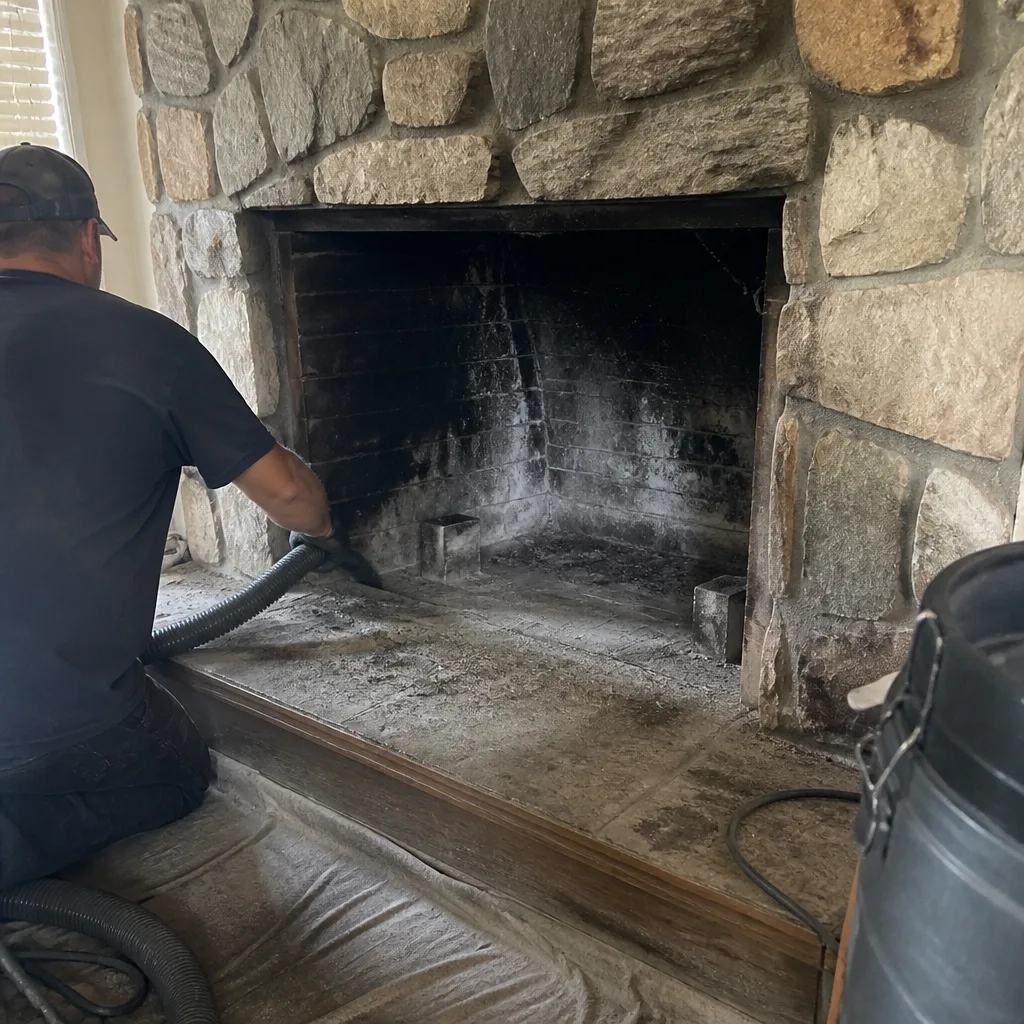 Before
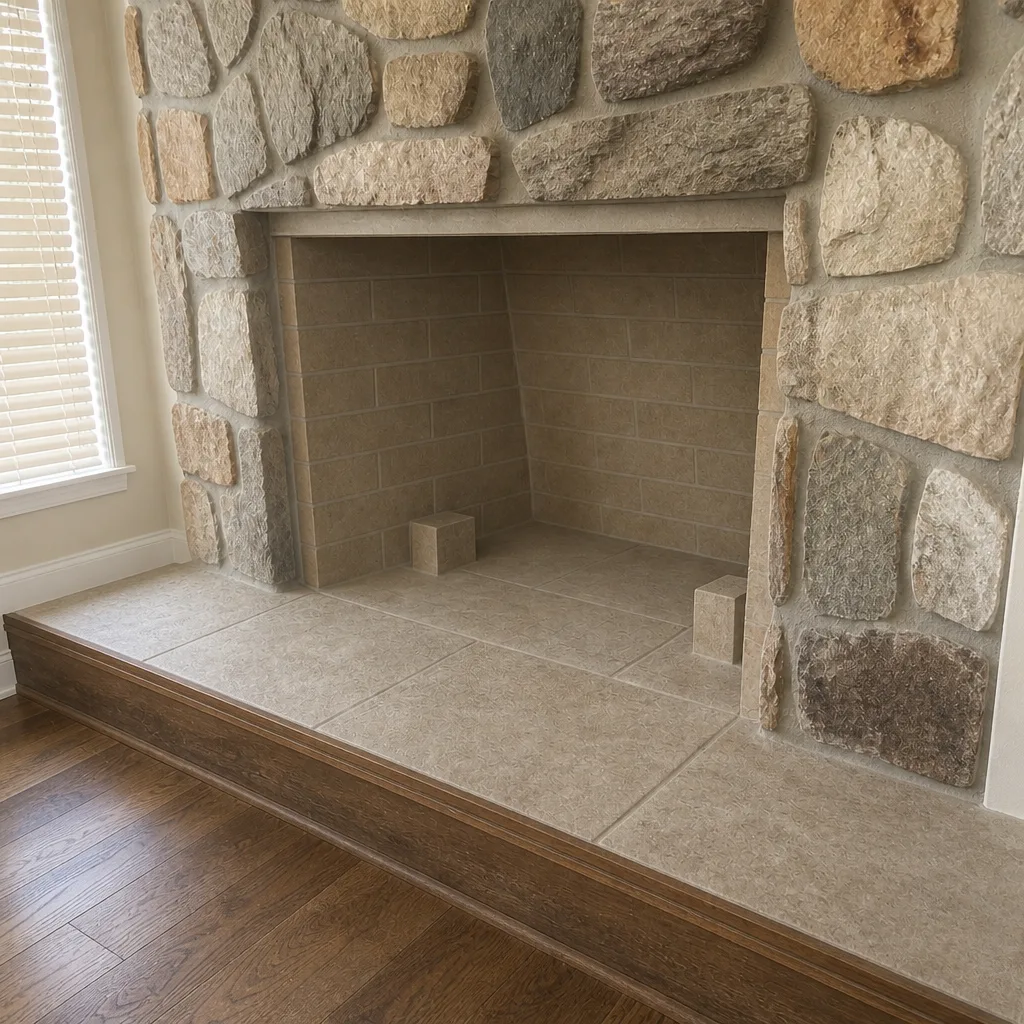 After
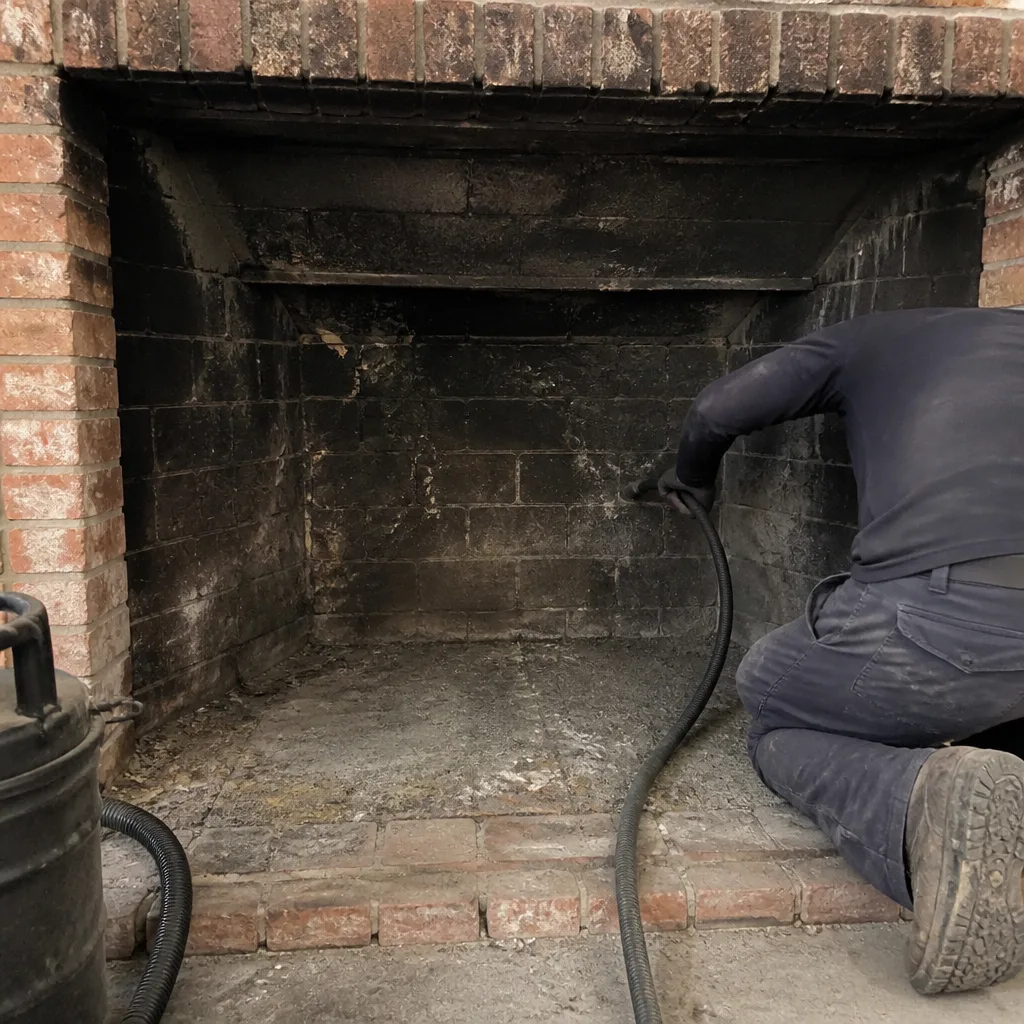 Before
 After
 Before
 After