
Last updated November 16, 2026
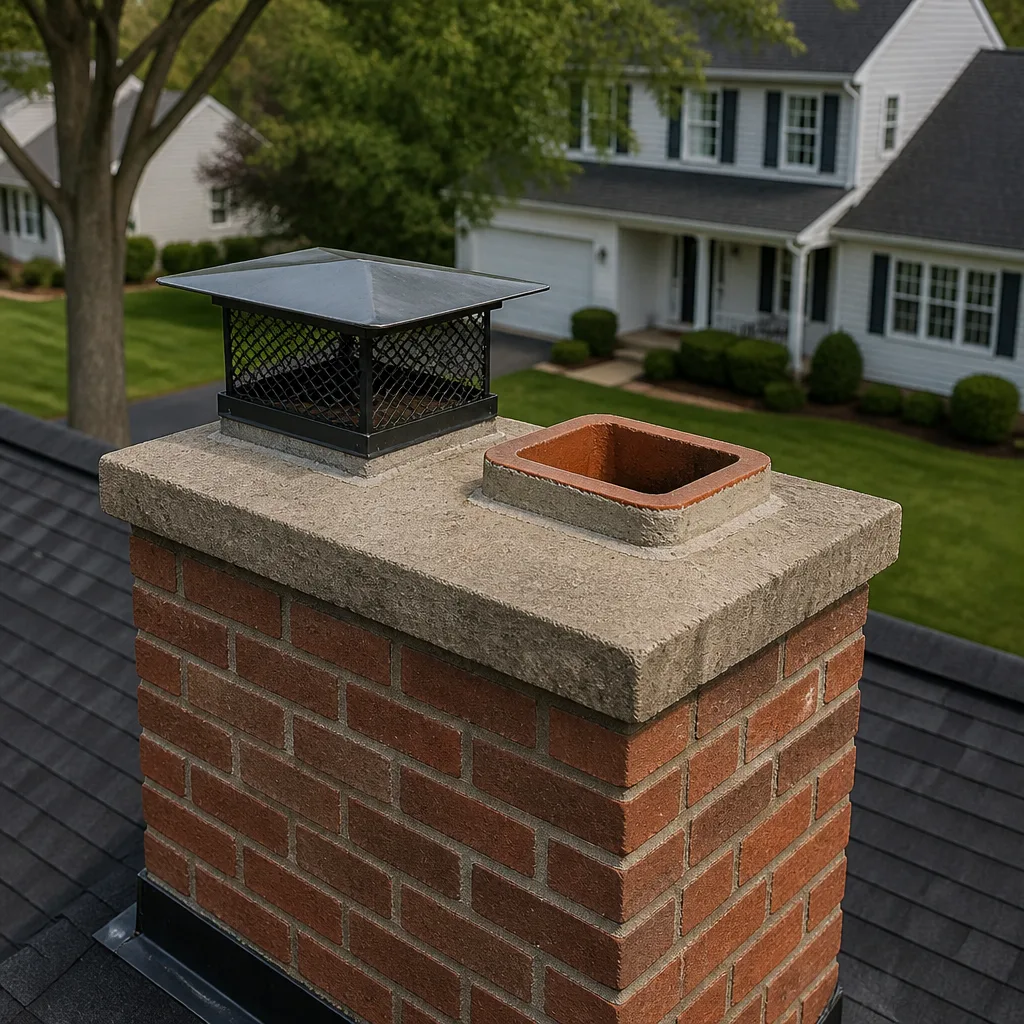 Sweep & inspection
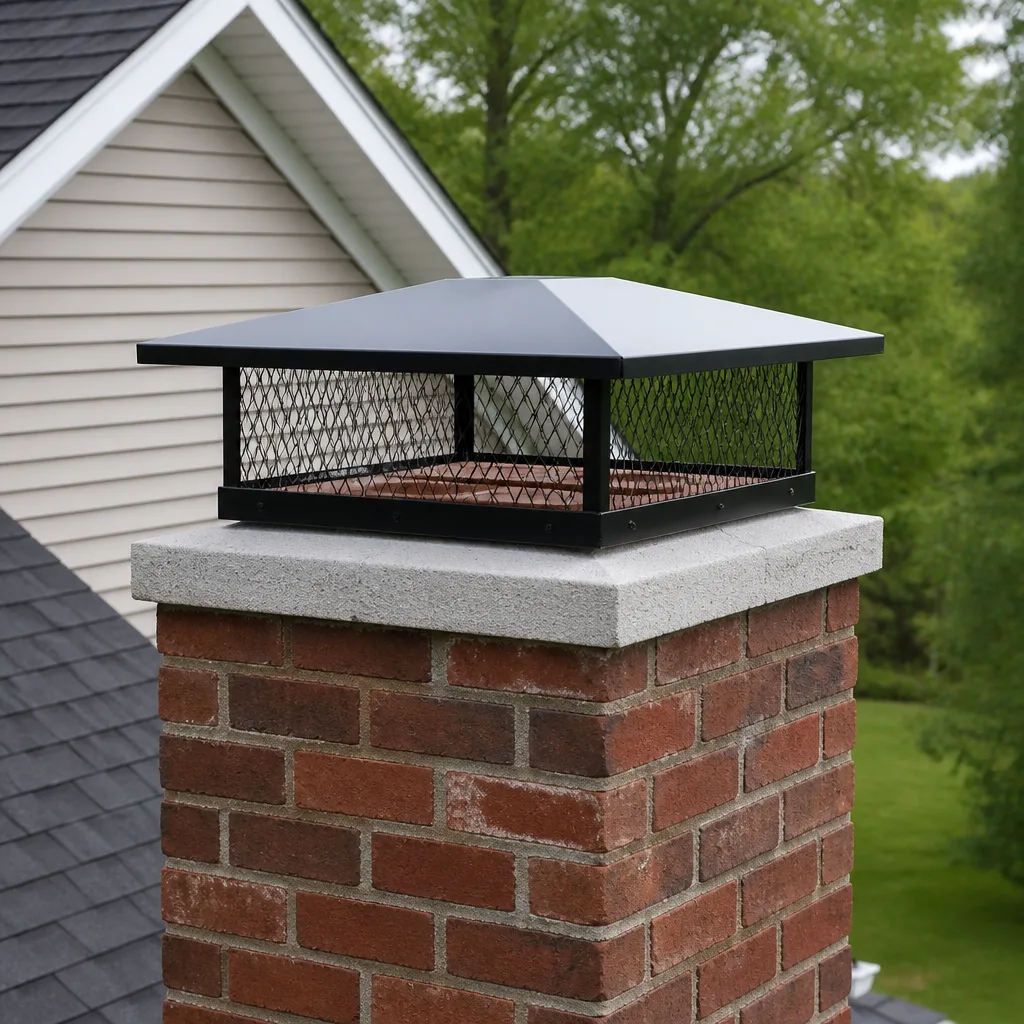 Caps & crowns
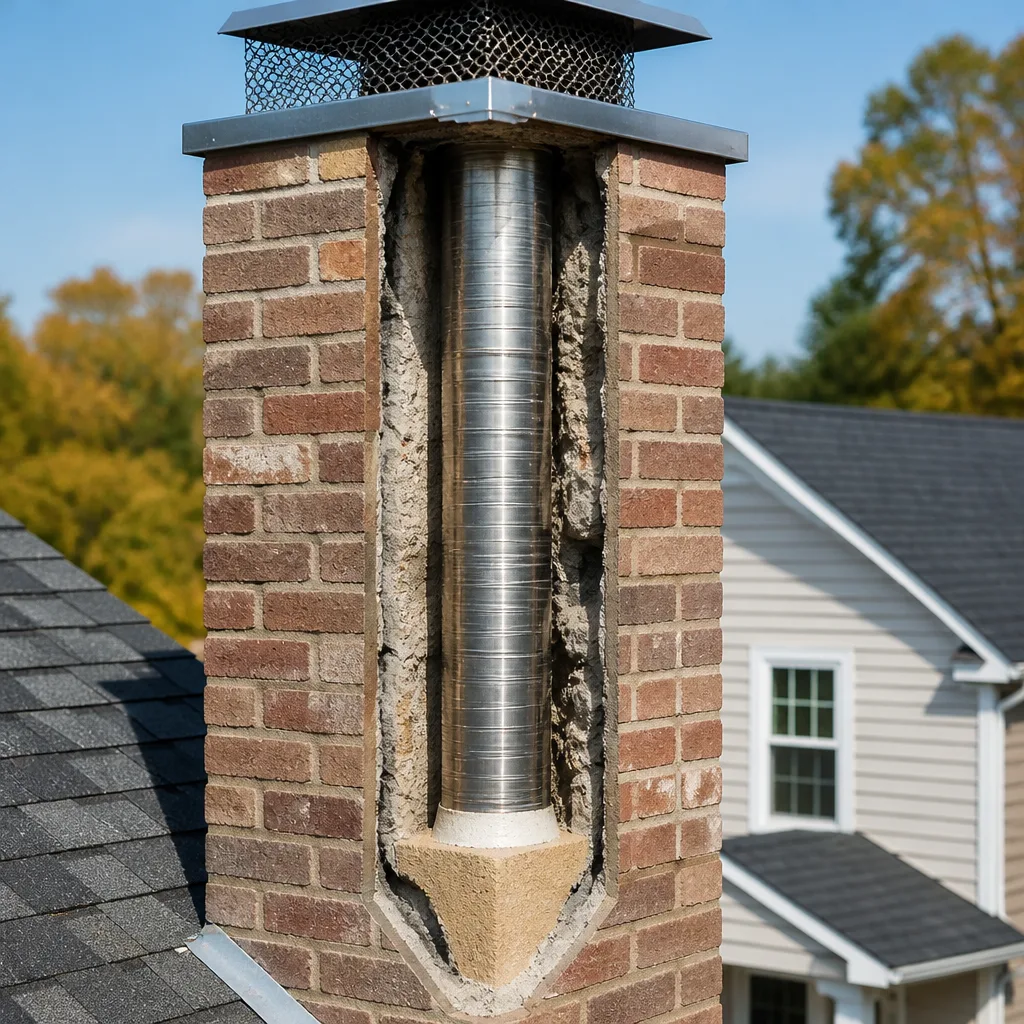 Flue relining
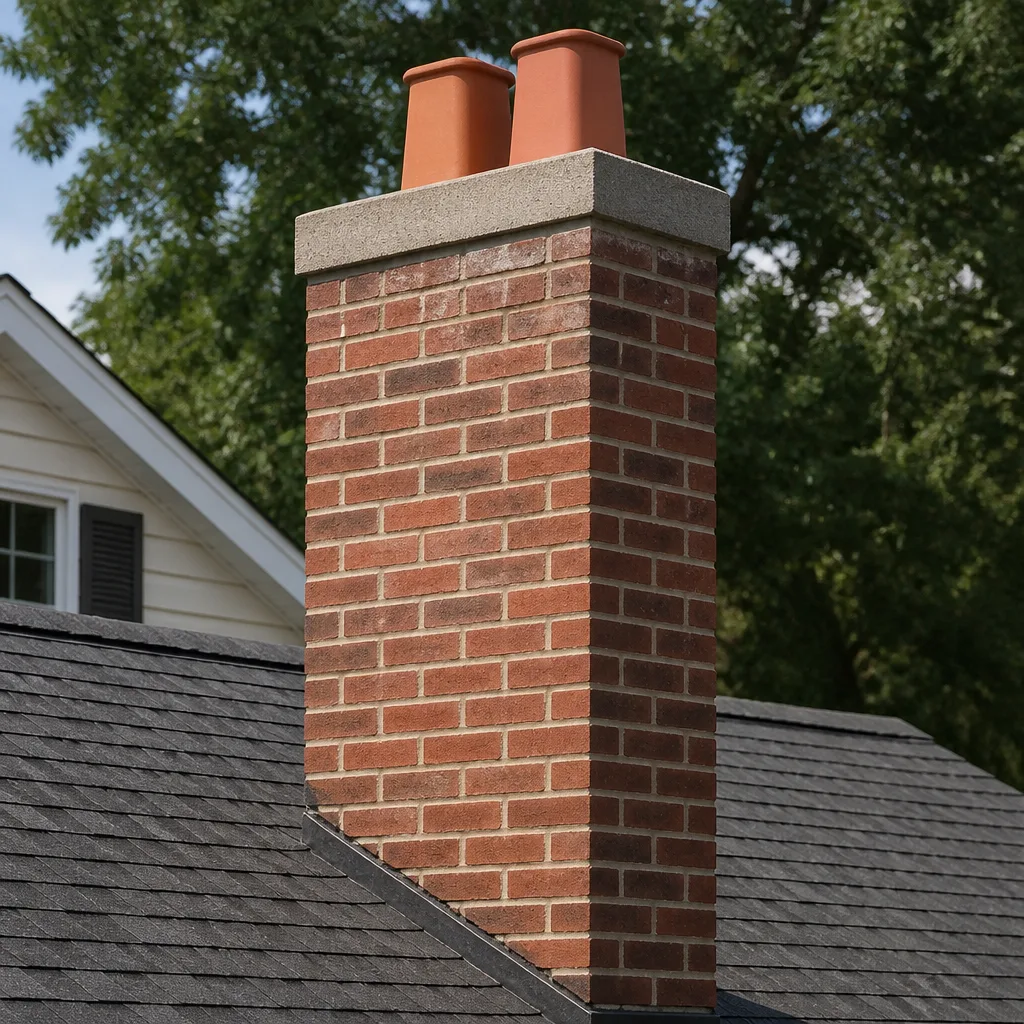 Masonry repair
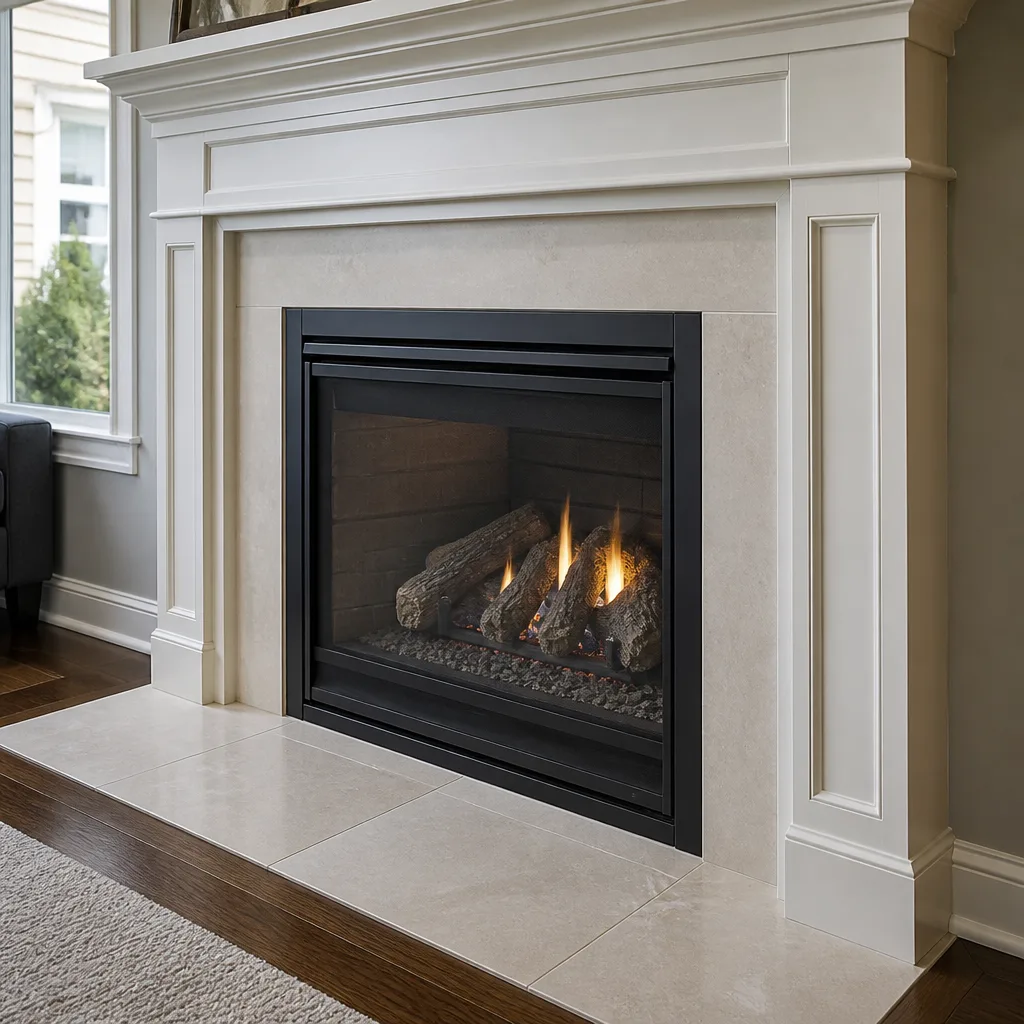 Gas fireplace service
Level 1 sweep and inspection to the NFPA 211 annual standard - flue, crown, cap, and flashing checked and photographed
Chimney sweep logs do not sweep chimneys. They loosen some creosote - which then falls where a brush and vacuum still have to collect it.
Chimney Sweep Maintenance Checklist for Palm Coast Homeowners
Most chimney maintenance advice you can find online was written for a house with a furnace running six months a year and a roof under snow. That’s not Palm Coast. Here, a wood-burning fireplace might sit cold from March to November, then get used hard for a few concentrated weeks when the first real cool front pushes through Flagler County. Add humidity that stays high most of the year, a summer storm season that throws wind-driven rain at the top of the flue, and the way masonry holds moisture, and the maintenance calendar changes. A checklist built for a northern climate will have you doing the wrong tasks at the wrong time and skipping the ones that matter here.
This guide gives you a month-by-month routine calibrated to how homes in Palm Coast actually live with their fireplaces. You’ll learn what you can safely check yourself, what to log between professional visits, and the exact point where a small issue becomes a job for a specialist. We’ll keep it practical. No generic filler.
Quick Answer
A working chimney maintenance checklist for Palm Coast runs on three anchors: a pre-storm check in June, a post-storm inspection in October, and a professional sweep in November before the first fire of the season. Between those, homeowners should check the cap, look for visible crown cracks, test the damper, and track creosote buildup using the foil draw test. Everything that touches the flue interior, the liner, or the firebox masonry belongs to a certified specialist.
If you do nothing else, book a professional chimney sweep before you burn, not after. The chimney tells the truth when it’s inspected, and it tells it too late when a fire is already lit.
Styles & brands we work with
- Sweep & inspection
- Caps & crowns
- Flue relining
- Masonry repair
- Gas fireplace service
Table of Contents
- Why a Palm Coast Chimney Needs Its Own Checklist
- The Month-by-Month Maintenance Calendar
- What You Can Safely Check Yourself
- Tracking Creosote Between Visits: The Foil Draw Test
- Monitoring Your Cap for Screen Clogging and Oxidation
- Humidity, Storm Season, and the Damper Problem
- When an Issue Crosses Into Professional Territory
- How Often to Actually Book the Sweep
Why a Palm Coast Chimney Needs Its Own Checklist
A chimney in Palm Coast faces a very different set of pressures than one in a cold-weather city. The core difference is downtime. In a place where winter bites hard, a fireplace runs nearly every day for months, and creosote builds steadily along with use. Here, use is infrequent but concentrated: a scattering of cool evenings from late November through February, maybe a handful of holiday fires, then months of nothing. That pattern creates its own maintenance profile.
The danger of infrequent-but-intense use is that problems go unnoticed for long stretches. A damper that starts sticking in March might not be discovered until November, and by then the corrosion has had months to worsen in the humid air most of the year. The same goes for a hairline crown crack that lets water into the masonry all summer. You never saw it because you weren’t looking up at the chimney from March to October.
Humidity is the second local factor. High moisture for most of the year means masonry, mortar joints, and metal components all face persistent damp conditions. Water finds its way into the smallest crack, and once it’s behind the brick or inside the flue, it doesn’t dry out quickly. This is why a Palm Coast checklist treats water intrusion as a year-round concern, not a winter one.
Storm season is the third. Summer storms bring wind-driven rain and the occasional limb or debris hitting the cap. A cap that took a knock in July needs checking in October, before you light anything. This is a calendar item, not a guess.
We’ve seen how these factors compound. A chimney that gets swept once a year but never inspected from the top can hide a cracked crown, a shifted cap, or a failing flue tile for seasons. A yearly checklist that actually looks at the right things at the right time prevents most of that.
The Month-by-Month Maintenance Calendar
Here’s the routine we recommend for Palm Coast homes. It’s built around three fixed anchors – pre-storm prep in June, post-storm inspection in October, and a pre-use sweep in November – with lighter checks in between.
January and February: Burn season, watch and log. This is when most homes are actually using the fireplace. Between fires, note any change in draft, smoke rolling into the room, or a damper that’s getting stiff. Don’t sweep mid-season unless you’ve burned heavily for weeks. Just observe.
March: Final fire, then clean out. When burning stops for the year, clean out the firebox fully. Ash left sitting holds moisture against the firebox floor and accelerates corrosion of the damper and grate. Empty it, brush it down, and leave the firebox dry.
April and May: Look at the top from the ground. With a pair of binoculars, check the cap and crown from the yard. You’re looking for cracks, missing screen, or a cap that’s visibly loose. If anything looks wrong, this is the time to book it, before summer storms test it further.
June: Pre-storm prep. Summer storms in this part of Florida are reliable and forceful. Before the season peaks, confirm the cap is secure, the screen is intact, and no tree limbs are hanging over the chimney. Water is the enemy here, and June is when you win or lose that battle.
July and August: Mid-season check after any big storm. After a significant storm, glance up at the cap again. A loose cap or missing screen is a quick fix caught early and a bigger problem caught late.
September: Dormant. Nothing to do. Let it rest.
October: Post-storm inspection. This is the key professional checkpoint of the fall. A full inspection catches any storm damage from the summer, verifies the flue is clear, and identifies whether there’s creosote buildup waiting to be swept.
November: Pre-use sweep. Sweep before the first fire. This clears the creosote and gives you a clean flue heading into burn season, with the inspection photo report in hand.
December: First fires. Go into the season knowing what’s inside your chimney. Then just use it, log it, and repeat the cycle.
What You Can Safely Check Yourself
There’s a real line between homeowner-safe checks and work that can injure you or void your insurance. The checks below are safe, require no climbing, and don’t touch the inside of the flue.
- Cap condition. From the ground with binoculars, look at the top of the chimney. The cap should sit flush and secure with an intact screen or louver. A cap that’s visibly tilted, cracked, or missing screen needs a specialist.
- Visible crown cracks. The crown is the concrete or masonry slab at the very top that sheds water. From the ground, look for obvious cracks or pieces flaking off. Hairlined cracks may be hard to see, which is why a professional top-down inspection matters.
- Damper operation. Reach into the firebox with the fireplace cold. The damper should open and close smoothly through its full range. A damper that sticks, won’t open fully, or is stuck shut needs attention before you light a fire.
- Smoke test. Light a small piece of newspaper in the firebox with the damper open. Smoke should rise cleanly up the flue. If it rolls back into the room, stop and call a specialist. This is a draft problem that could mean a blocked flue.
- Firebox visual check. With a flashlight, look at the firebox walls and floor for loose mortar, cracks wider than a hairline, or crumbling brick. Don’t touch; just note and photograph it.
What you should not do yourself: climb on the roof, open up the flue, sweep the chimney with a brush on a pole, or repair mortar or a crown. Those are professional tasks. Working on a roof or inside a chimney without training and fall protection is a genuine hazard, and an amateur repair can do more harm than good.
Tracking Creosote Between Visits: The Foil Draw Test
Creosote is the combustible residue that builds in a flue from burning wood. It’s the reason sweeping exists. Between professional visits, you can get a rough sense of how fast it’s accumulating using a simple, safe test from the firebox.
Here’s how it works. With the fireplace cold and clean, take a piece of aluminum foil roughly the size of your hand. Place it flat against the back wall of the firebox, up inside where the smoke rises, and press it lightly so it stays in place. Leave it for a couple of days when the fireplace isn’t in use. Then pull it out and look at what collected on it. A light dusting is normal. A sticky, visibly tacky film or a heavy brownish deposit suggests creosote is building fast and it’s time to book a sweep sooner than the calendar suggests. A gray, flaky residue is the more benign form. The test isn’t a diagnosis; it’s a signal to help you say to a professional, “I think this is building up faster than usual.”
What drives creosote buildup? Cooler flue temperatures, wet or unseasoned wood, and restricted draft. In Palm Coast, the humid air can affect how wood seasons, so make sure your firewood has been stored dry and covered. Burning damp wood is the fastest way to load up a flue.
Log the results of each test with the date. Over a season, you’ll see the pattern, and you’ll head into October’s inspection knowing whether you’re on the normal schedule or need closer attention. The test costs almost nothing, it’s safe, and it makes you a more informed client.
Monitoring Your Cap for Screen Clogging and Oxidation
The chimney cap does two jobs: it keeps rain, animals, and debris out of the flue, and it provides the spark screen that keeps embers from escaping. In Palm Coast, the cap faces moisture year-round and the summer storm season, and it sits at the exact spot where debris collects. A cap that fails quietly is a direct path to water in the chimney.
What to watch for on the cap:
- Screen clogging. The screen can fill with debris, especially if you have nearby trees dropping material or birds attempting to nest in spring. A clogged screen restricts draft. Check it from the ground each month during storm season.
- Oxidation and rust. Metal caps showing rust spots or flaking paint are telling you the protective coating has broken down. Left alone, a small rust spot becomes a hole, and a hole becomes a water path into the flue.
- Loose or lifted caps. If the cap sits crooked or has shifted, it’s not doing its job. Storm wind can loosen a cap over time.
- Debris accumulation. Leaves, twigs, or material from nearby vegetation collecting on top of the cap restrict airflow and hold moisture against the metal.
When a cap needs replacing, material matters. We install Gelco and Famco caps because both are specified by chimney professionals for durability and proper draft control. A cap is not a decorative lid; it’s a functional part of the system, and a cheap cap that oxidizes in a season isn’t saving you anything. We also source components through Olympia Chimney and Copperfield, so uncommon cap sizes and specialty fittings aren’t a hold-up when a standard size won’t fit.
The homeowner rule of thumb: look at the cap monthly from the ground. If you see rust, a bent screen, or a cap that’s visibly displaced, that’s a job for a specialist, and a routine repair worth doing before the next storm season.
Humidity, Storm Season, and the Damper Problem
Here’s the failure that catches Palm Coast homeowners on the wrong evening: a damper plate that has corroded shut over the summer. You haven’t used the fireplace since February. The humid air has been working on the metal damper and the firebox all year, and on the first cool evening in November you reach for the lever and it won’t budge, or it moves but the plate is stuck. If you’re lucky, it frees. If you’re not, you’re looking at a damper repair or replacement before the fire season starts.
The reason this happens faster here than many homeowners expect is moisture. Markedly humid conditions for most of the year mean the firebox and damper don’t dry out the way they would in a dry climate. Add rainwater intrusion from an unsealed cap or a hairline crown crack, and the firebox stays damp for long stretches. The damper, the grate, and the firebrick all sit in that environment.
What to do about it: check the damper operation monthly during the off-season. Open and close it through its full range, which keeps it from seizing. If you feel resistance, note it. If it’s already stuck, don’t force it. Forcing a corroded damper can bend the frame or break the linkage, taking a repair and making it a replacement.
This is also where the October inspection earns its keep. A technician sees the damper and the firebox with the whole system in view, and can catch the corrosion, the failing crown, or the water intrusion before burn season starts. If there’s a genuine moisture path through the crown or the flashings, we recommend HeatShield, the industry’s leading chimney resurfacing system, which repairs a damaged flue lining surface without a full liner replacement. That’s a material-specific fix that most cleaning-only sweeps will simply refer out.
Living in Palm Coast is a trade-off: you don’t shovel your roof, but you do have to watch the moisture. The damper is where that trade-off shows up every fall.
When an Issue Crosses Into Professional Territory
Some maintenance can wait for the calendar. Other issues need a specialist now. Use these as hard triggers.
- Smoke rolling back into the room with the damper open. This signals a blocked or restricted flue and should be checked before another fire.
- Glazed or heavy creosote visible on a camera scope. This is the sticky, hard, flammable form that can’t be brushed clean with a standard sweep. A professional will tell you what it needs, including whether HeatShield resurfacing is appropriate for a damaged liner.
- A damaged or missing cap, or a crown with cracks that go deeper than surface. Water intrusion issues need top-down access and the right materials, not a spot repair from the ground.
- A damper that has seized or won’t open fully. Corroded or broken linkage needs proper diagnosis and, sometimes, replacement with a component sized and sourced correctly, which is where Olympia Chimney and Copperfield parts matter.
- Any sign of liner damage, cracking in the masonry, or a gap at the liner joints. These are structural and safety items. The flue is the component that carries hot gas and smoke out of your house; a failure there is not a maintenance task.
The reason we treat the liner and firebox as professional-only territory is simple: damage that starts small can lead to a chimney fire or to carbon monoxide getting into a living space. We’re not going to talk you through a DIY repair of a component that carries combustion gases. A real specialist will inspect first, then recommend second, so nothing gets sold to you that the evidence doesn’t support.
When the issue does need a specialist, Chimney Sweep Palm Coast handles the full loop. Inspection identifies the problem, sweeping clears it, and chimney repair fixes it. You’re not coordinating between a sweep who cleans and refers you out, a mason who does the repair, and then a third party for the parts. One specialist team, professional-grade materials throughout the job. Our technicians have up to experience, and they install and service DuraFlex liners, Gelco and Famco caps, HeatShield resurfacing, and Olympia Chimney and Copperfield components – the names a professional relies on when material quality matters.
How Often to Actually Book the Sweep
The general rule for chimney sweeping is once per year for a chimney in regular use, and more often if you burn heavily, burn certain wood, or see fast creosote buildup. Most Palm Coast homes that use their fireplace for a few concentrated months fit the once-a-year recommendation, with a sweep in November before the first fire.
But “once a year” isn’t a law. It’s a starting point. The variables that should change your schedule:
- How much you burn. A fireplace burned most evenings from November through February builds creosote faster than a few holiday fires. If you burn heavily, the foil draw test will tell you to sweep sooner.
- What you burn. Seasoned, dry hardwood burns cleaner. Damp or unseasoned wood loads the flue.
- How the system runs. A restricted draft or a firebox that doesn’t draw well can accelerate buildup, and it’s worth flagging at the next inspection.
- What the inspection finds. If October’s inspection shows heavy buildup, you book the sweep right away. If it’s light, the schedule can flex.
The relationship between sweeping and inspection matters. The sweep clears the creosote; the inspection is what tells you the condition of the liner, the crown, the cap, and the firebox. These are two different jobs that work best together, which is why a specialist that handles both in one visit gives you a fuller picture than a sweep-only call. A camera inspection with a photo report means you see what the technician sees, and you can judge for yourself what needs attention and what can safely wait.
Don’t guess on the interval. Book an inspection, look at the report, and then decide. The written estimate sets the final price, and the estimate is free.
Common Mistakes to Avoid
- Skipping the off-season checks entirely. A lot of homeowners only think about the chimney when they’re about to light a fire in November, which is the worst time to discover a corroded damper or a cracked crown left sitting through a storm season.
- Forcing a stuck damper. If the damper won’t open when the season starts, stop. Forcing it can break the linkage and turn a repair into a replacement, a common mistake in humid, infrequent-use climates.
- Washing ash down the firebox. Ash left in the firebox holds moisture against the floor, and wet ash is a corrosion problem. Clean it out when the season ends instead of leaving it all summer.
- Burning unseasoned or damp wood. Wet wood smokes more and leaves heavier creosote. Make sure your firewood is stored dry and covered, and don’t burn fresh-cut wood.
- Treating a cap like it’s permanent. Caps rust and screens clog, especially with trees nearby and storm-force winds. Monthly checks from the ground catch a failing cap before water gets in.
- Letting a general handyman handle liner or masonry work. A generalist who dabs in chimneys may not carry the professional-grade components, and a generic liner or cap swap is exactly the kind of shortcut that shortens system life. Ask what materials are going in.
- Skipping the sweep because “it doesn’t look dirty.” You can’t see creosote from the firebox. A sweep and camera inspection reveal what the eyeball can’t.
See the difference
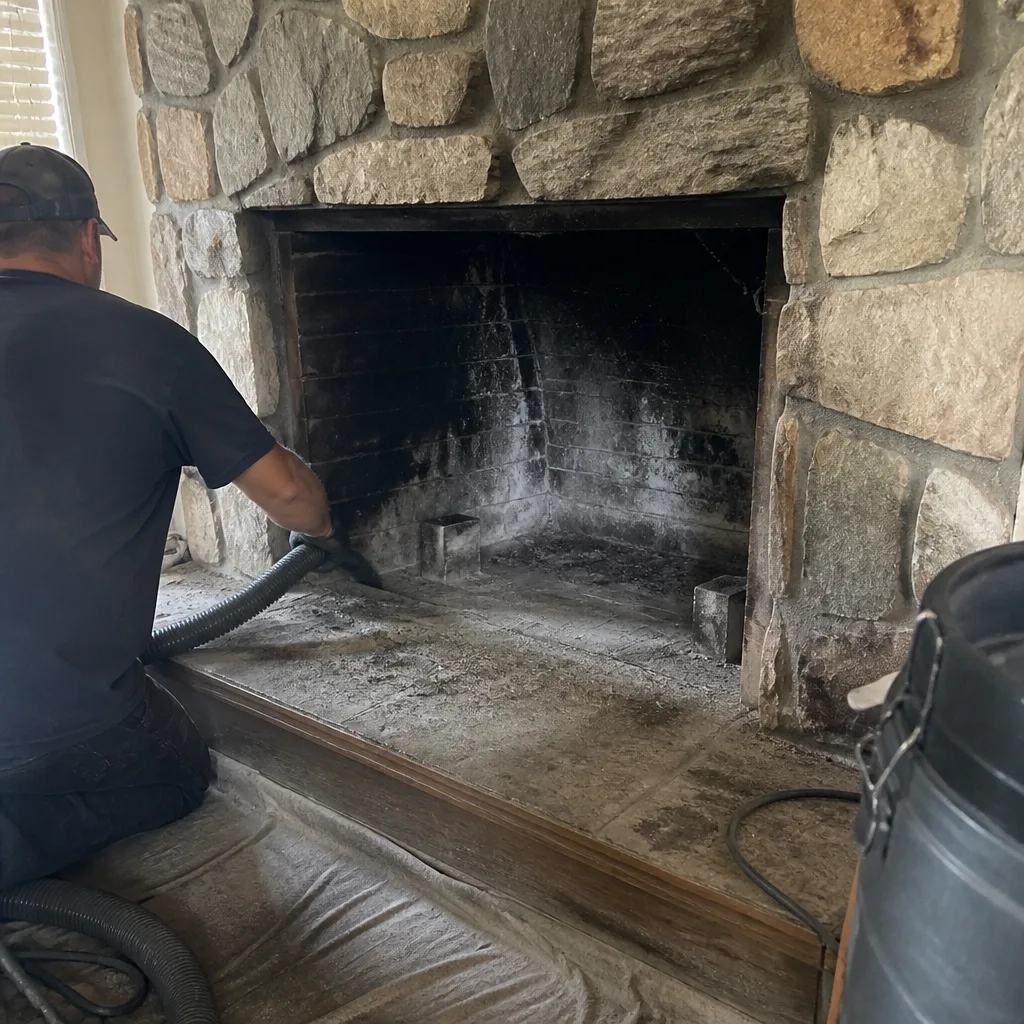 Before
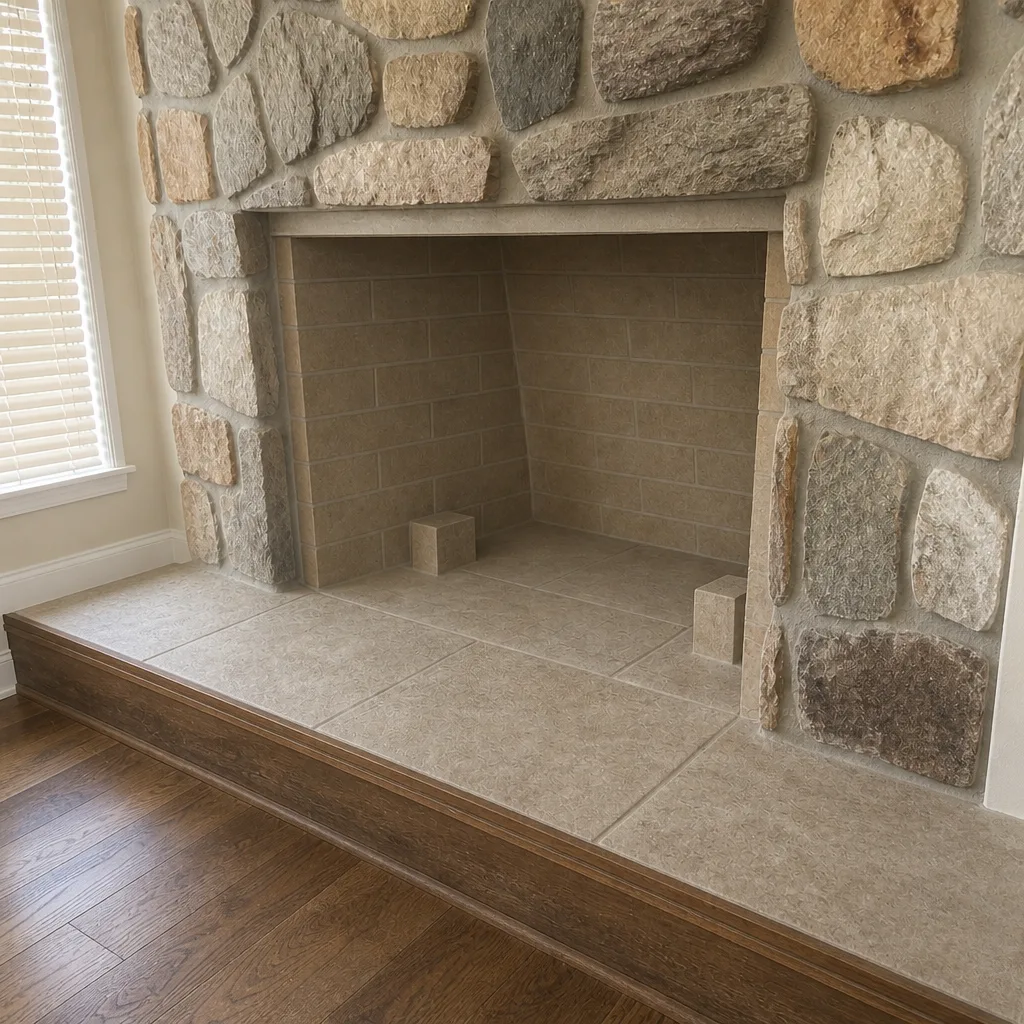 After
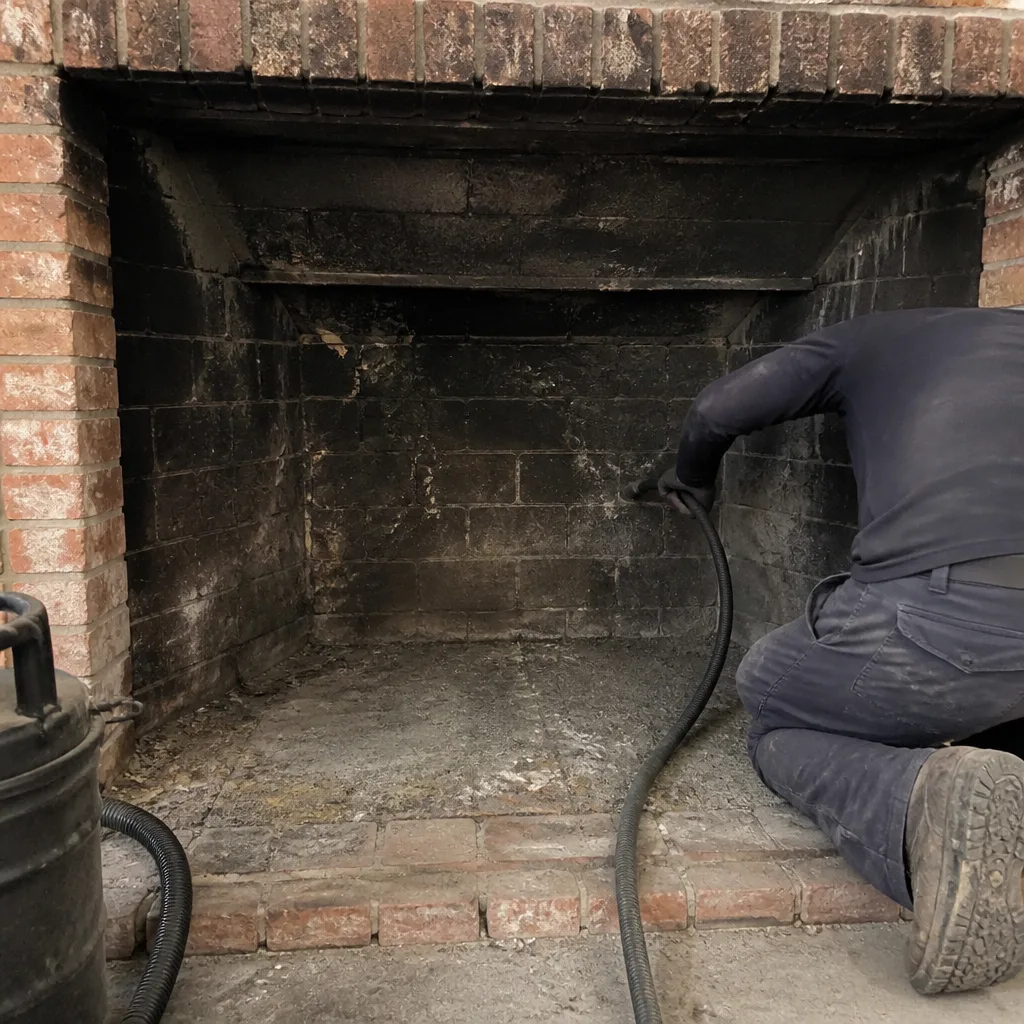 Before
 After
 Before
 After
When to Call a Professional
Call a specialist when smoke backs up with an open damper, when a cap is loose or missing, when a damper seizes, or when you see any liner or masonry damage. These are the items where a small fix done yourself can create a bigger hazard: combustion gases, water intrusion, and creosote fires are the stakes on the liner and flue side. Working on a roof or inside a chimney without fall protection and the right tools is its own risk.
Book a professional when the foil test suggests fast buildup, when you want a daylight look at the cap and crown before storm season, and when you simply don’t know the condition of the flue. We inspect first and recommend second, and a camera inspection with a photo report shows you exactly what we found, so nothing gets recommended that you can’t verify.
Chimney Sweep Palm Coast offers free estimates in Palm Coast. Call (877) 471-4123. We answer 24/7. Fast dispatch from 7am to 7pm, Sunday through Friday.
Frequently Asked Questions
A standard chimney sweep in Palm Coast typically starts around the low end and goes up depending on the flue type and whether a camera inspection is included, with an estimate set per job by a written quote. We quote the job before we book it, and the estimate is free. Call (877) 471-4123 for an exact quote – estimates are free.
Once a year is the baseline for a chimney in regular use, and a sweep in November before the first fire fits most Palm Coast homes. If you burn heavily or the foil draw test shows fast creosote buildup, sweep more often. Call (877) 471-4123 to book an inspection and get a schedule based on what’s actually in your flue.
No, not automatically. A liner replacement is only warranted if the inspection shows damage that HeatShield resurfacing can’t repair. We inspect with a camera first and show you the evidence, so you can decide with the facts in hand. Call (877) 471-4123 for a free estimate before you agree to any liner work.
You can check the cap and crown from the ground with binoculars, test the damper from inside the firebox, do a smoke test, and run the foil draw test. What you shouldn’t do is climb the roof, open the flue, or repair masonry. Anything inside the flue or on the roof is a job for a specialist. Call (877) 471-4123 to answer any question that’s past the homeowner line.
Yes, and it’s more common in humid climates where the firebox stays damp for months. Frequent off-season checks and a professional inspection in October catch the corrosion before it seizes the plate. If your damper already won’t move, don’t force it. Call (877) 471-4123 for an exact quote – estimates are free.
Skipping a year can hide creosote buildup that raises chimney fire risk and let a small crown crack or cap issue send water into the masonry all year. A blocked or damaged flue can also allow carbon monoxide into the home. Call (877) 471-4123 to book a sweep and inspection and find out what condition your system is really in.
For safe homeowner tasks, yes. For anything involving the flue, liner, crown, or cap replacement, no. Those need professional-grade materials and a clear view of the whole system, and a generalist often won’t carry components like DuraFlex, Gelco, Famco, Olympia Chimney, or Copperfield parts. Call (877) 471-4123 to work with a specialist.
Heavy, glazed buildup cannot wait; light, flaky buildup usually can, and the camera inspection will tell you which you have. Nothing is recommended without the photo evidence to back it up, and we’ll tell you plainly when a task can safely wait until next season. Call (877) 471-4123 for an exact quote – estimates are free.
The Bottom Line
A chimney checklist that works in Palm Coast looks different from a generic one because the climate and the pattern of use are different. The core routine: pre-storm check in June, post-storm inspection in October, professional sweep in November before the first fire. Between visits, check the cap and crown from the ground, test the damper, and run the foil draw test to track creosote. Know where your line is: cap, crown, damper, and firebox surface are yours to monitor; the flue, liner, and masonry are a specialist’s.
The payoff is a fireplace that works when you want it, a flue that’s clear, and a system you understand instead of one you guess about. Call (877) 471-4123 to book a free estimate. We answer 24/7. Fast dispatch from 7am to 7pm, Sunday through Friday.
Written by the team at Chimney Sweep Palm Coast.