
Last updated November 16, 2026
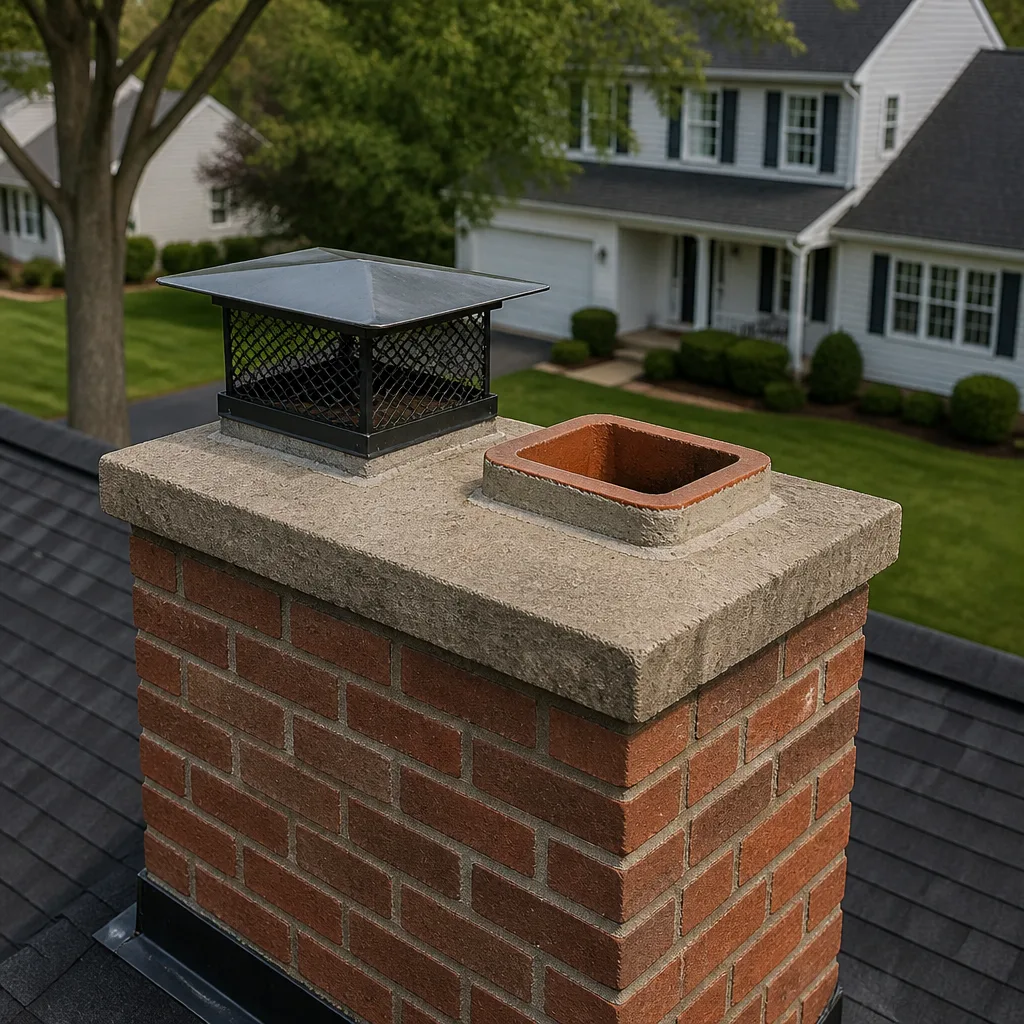 Sweep & inspection
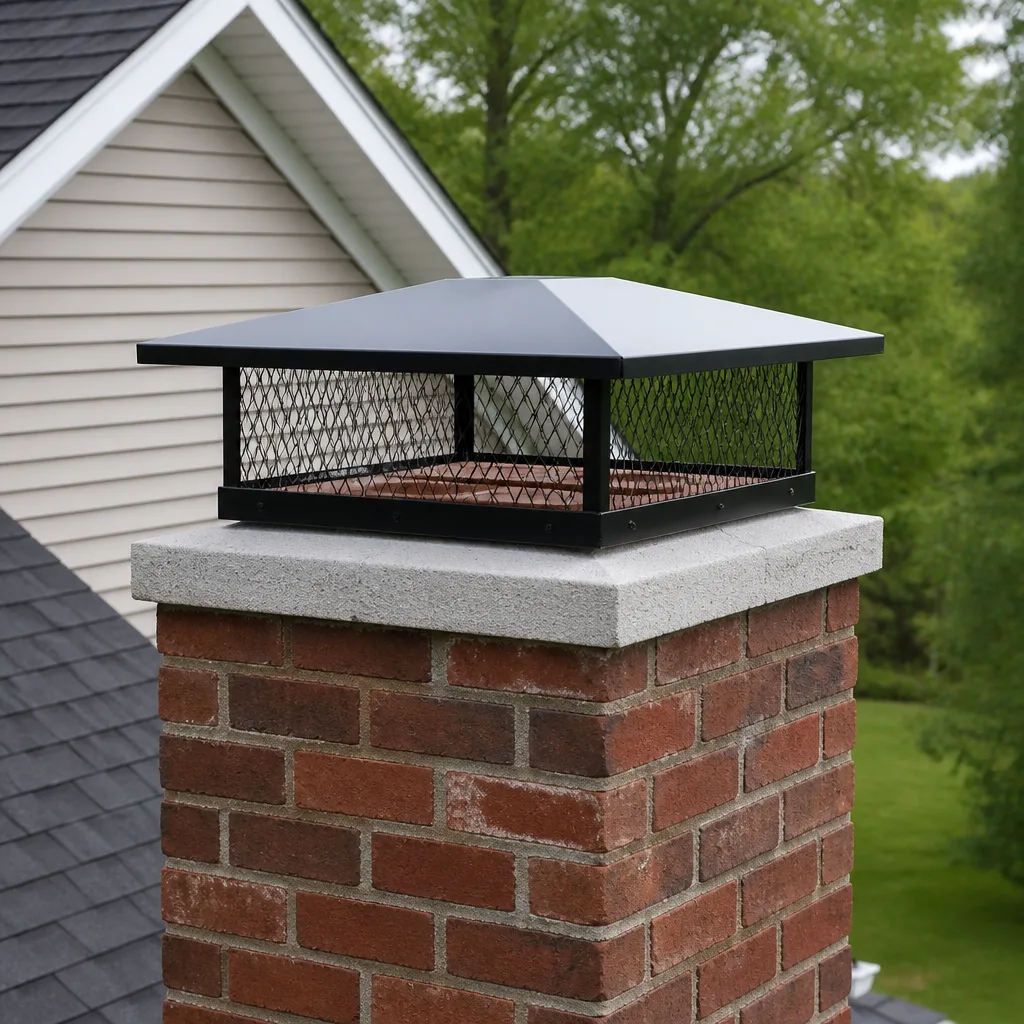 Caps & crowns
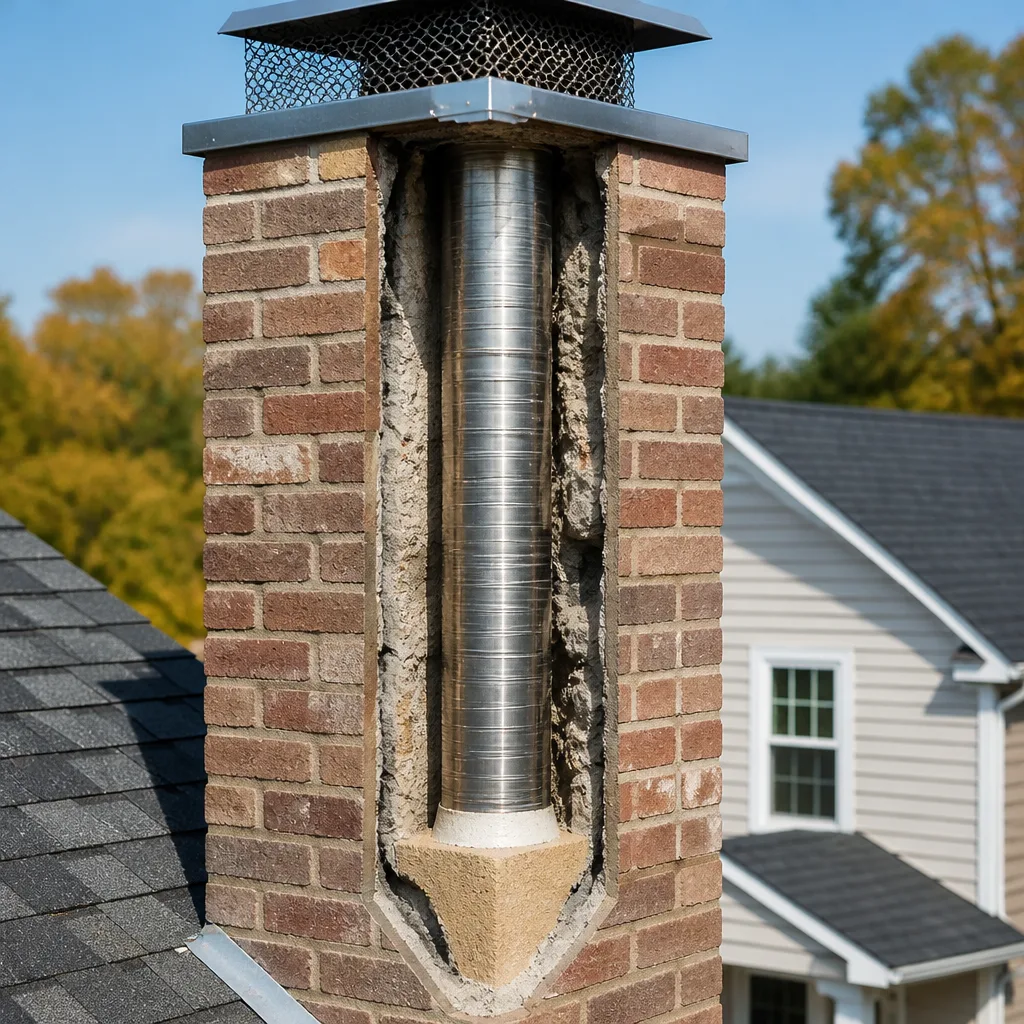 Flue relining
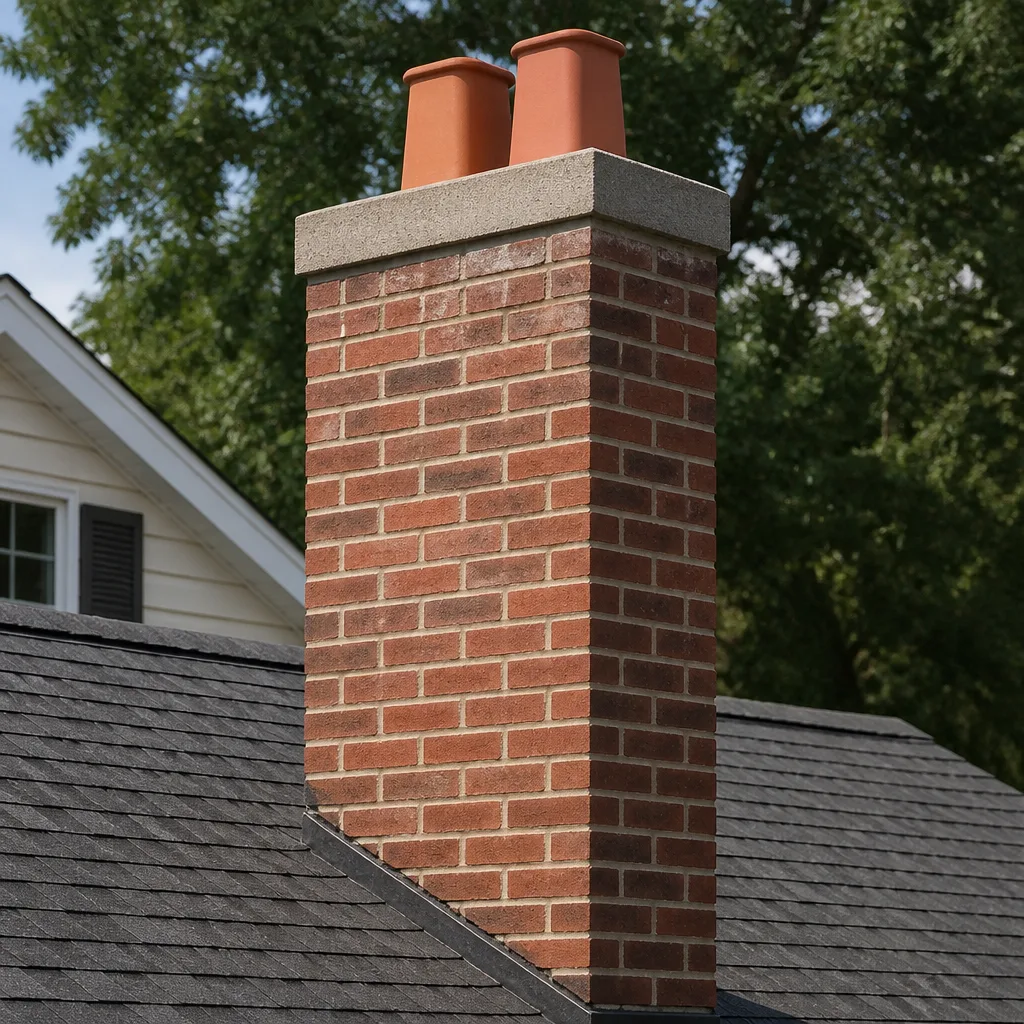 Masonry repair
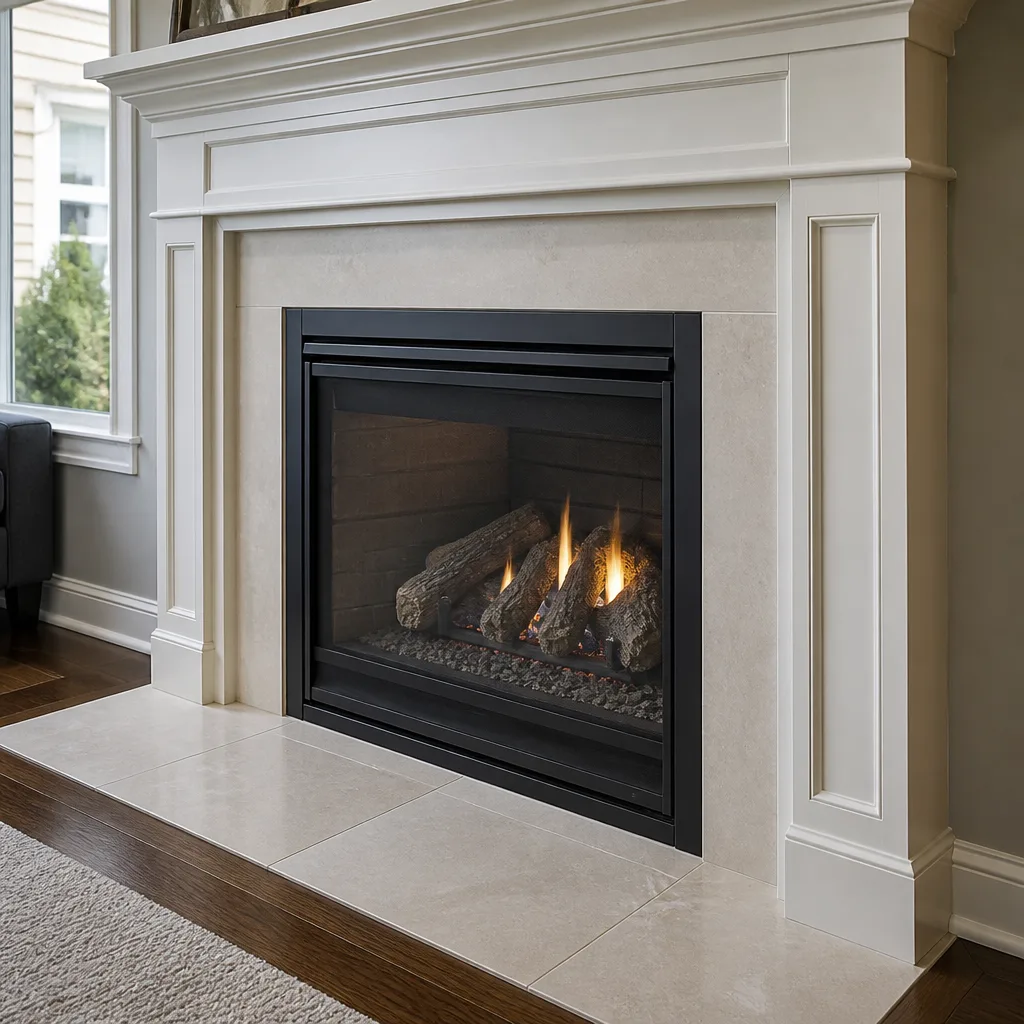 Gas fireplace service
Level 1 sweep and inspection to the NFPA 211 annual standard - flue, crown, cap, and flashing checked and photographed
Chimney sweep logs do not sweep chimneys. They loosen some creosote - which then falls where a brush and vacuum still have to collect it.
Chimney Cleaning Permits, Codes & Inspections in Palm Coast, FL: What You Need to Know
Here’s the part that surprises most homeowners: the cleaning visit itself almost never needs a permit, but the repair that cleaning uncovers often does. In Palm Coast, that line gets crossed more than people expect, because a sweep that finds a cracked flue tile or a failed liner connection turns a routine maintenance appointment into permitted construction work under Florida code. And once work crosses into repair or replacement, the paper trail matters as much as the masonry does. This guide walks you through exactly where that line sits in Flagler County, how HeatShield resurfacing jobs get classified, what NFPA 211 requires for a new liner, and which documents to keep for insurance and resale. You’ll finish knowing what needs a permit, what doesn’t, and what to ask for before anyone leaves your roof.
Quick Answer
Routine chimney cleaning in Palm Coast does not require a building permit. Permits are triggered when the work becomes construction or repair, which includes liner installation or replacement, chimney relining, crown rebuilds, and firebox or flue structural repair. A permitted chimney job should always include an inspection before and after the work, and the homeowner should collect the inspection report, the signed permit record, and manufacturer documentation for the materials installed.
Styles & brands we work with
- Sweep & inspection
- Caps & crowns
- Flue relining
- Masonry repair
- Gas fireplace service
Table of Contents
- Does chimney cleaning need a permit in Palm Coast?
- How Florida Building Code Section 10-14 applies to chimney work
- Flagler County’s permit threshold: maintenance versus construction
- How HeatShield resurfacing is classified under Florida code
- What NFPA 211 requires for a new liner installation
- The three inspection levels and when each applies
- What documentation to request after permitted chimney work
- Why the paper trail matters at resale and at claim time
Does chimney cleaning need a permit in Palm Coast?
No. A standard chimney cleaning in Palm Coast does not require a building permit, because sweeping is classified as maintenance, not construction. You’re removing soot, creosote, and debris from an existing flue. Nothing is being altered, installed, or structurally changed. That puts it outside the scope of what a building department reviews.
The distinction matters because it’s the same distinction your insurer and your eventual buyer will care about. Maintenance is expected upkeep. Construction is a recorded improvement. Cleaning falls firmly in the first category, and that’s true whether you have a masonry fireplace, a factory-built unit, or a wood-burning insert.
Where the lines blur is at the moment a technician finds something. A cleaning visit that reveals a cracked flue tile, a disconnected liner section, or deteriorated mortar in the smoke chamber isn’t just a cleaning visit anymore. It’s a diagnostic visit, and it may lead to a repair that does need a permit.
What doesn’t need a permit in Flagler County
- Routine sweeping of a masonry or factory-built chimney
- Video inspection of the flue (with or without a camera report)
- Inspection of the firebox, damper, crown, and spark arrestor
- Replacing a chimney cap with a like-for-like unit
- Removing a bird or animal nest from an accessible flue
- Cleaning a wood-burning insert in place
What does need a permit in Flagler County
- Installing a new stainless steel liner (DuraFlex, for example)
- Replacing an existing liner or relining a flue
- Applying HeatShield resurfacing to repair a damaged flue
- Rebuilding a chimney crown or chimney top
- Structural repair to the firebox or smoke chamber
- Any work that changes the flue’s internal dimensions
If you’re unsure which side of the line your job falls on, ask before the work begins. It’s a short conversation that saves a long headache. Our Chimney Sweep Palm Coast technicians will tell you plainly whether a permit is required for the specific condition found, rather than waiting to sort it out after the fact.
How Florida Building Code Section 10-14 applies to chimney work
Florida Building Code Section 10-14 is the section that governs how chimneys and vents are constructed, altered, and repaired in this state. It sets the requirements for clearances, materials, flue sizing, and venting that apply to any permitted chimney work. When a liner goes in, that section is what the inspector is checking your installation against.
Under 10-14, a chimney liner installation isn’t a cosmetic upgrade. It’s a code-defined alteration to the venting system, and it must be performed in a way that keeps the flue within the original listing, or within the listing of the new liner’s manufacturer. That’s why a permitted job calls for a specific product with a specific listing, not a generic stainless tube cut to length.
For a homeowner, the practical read is this: the code cares about the material, the installation method, and the clearance to combustibles. It does not care how the job looks from the driveway. That’s why the manufacturer documentation matters. When an inspector in Palm Coast checks a DuraFlex liner installation, they’re confirming that the liner’s listing and installation instructions were followed. Without those documents, the installation can be failed on paperwork alone, regardless of how well it was built.
What the inspector typically checks
- The liner is a listed product with a manufacturer’s installation instruction on site.
- The flue was properly sized for the appliance connected to it.
- Clearances to combustibles meet the liner manufacturer’s requirements.
- The top termination is correctly capped and secured.
- The appliance connection at the bottom is sealed and correctly transitioned.
- Support and structural attachment of the liner is adequate for its length and weight.
What’s worth understanding is that 10-14 is enforced at the local level. Flagler County’s building department applies the code, and the inspector’s interpretation is what ultimately determines whether the installation passes. That’s exactly why working with a chimney specialist who has done permitted work here is different from working with a generalist who treats the chimney as one more thing to check off. The line between a passed inspection and a failed one is often in a detail – a support bracket, a termination shroud, a listed connector – that a specialist recognizes and a generalist doesn’t. Our chimney repair work in Palm Coast is built around that standard, because a repair that doesn’t pass inspection is a repair that hasn’t actually been done.
Flagler County’s permit threshold: maintenance versus construction
Flagler County’s building department treats chimney work in two buckets: maintenance and construction. Maintenance is work that restores the chimney to its original condition without changing materials, dimensions, or structure. Construction is anything that adds, removes, or replaces a component. The permit threshold sits at the construction bucket.
In practice, the classification is usually straightforward once you see how it plays out:
- Sweeping – maintenance. No permit.
- Visual inspection – maintenance. No permit.
- Camera inspection – maintenance. No permit, but the report becomes your baseline record.
- Cap replacement with a like-for-like unit – maintenance in most cases. A larger or structurally different cap can cross into construction.
- Liner installation or replacement – construction. Permit required.
- Crown repair or rebuild – construction. Permit required.
- Firebox or smoke chamber repair – construction. Permit required.
- Relining an existing flue – construction. Permit required.
Where people get lost is the “repair versus replacement” question. If a section of a liner has separated, does reconnecting it count as a repair or a replacement? The answer depends on whether the liner’s listing still applies after the fix, and whether the fix changes how the flue performs. If it doesn’t, it’s likely maintenance. If it does, it’s construction and needs a permit. On a HeatShield resurfacing job, we treat the classification carefully because the design intent of the repair determines what gets pulled.
One local wrinkle: some Palm Coast homes were built with factory-built fireplaces that have their own listing, and that listing can be more restrictive than the code’s base requirements. In those cases, even a cap swap needs to stay within the original listing or the whole assembly loses its certification. A technician who knows to check the listing is a technician who won’t accidentally cost you your UL listing on a repair you thought was routine.
If your home is in one of Palm Coast’s neighborhoods where the housing stock is mostly newer than the oldest parts of Flagler County, this cuts the other way: newer construction tends to have clearer documentation and fewer surprises, which makes the permit process faster. If you’ve got a home adding on or renovating, talk to us about Palm Coast-specific permit expectations before the design is locked in.
How HeatShield resurfacing is classified under Florida code
This is the classification question we get asked most often, and the honest answer is that it depends on what the resurfacing is being used to accomplish. HeatShield is a resurfacing system that applies a ceramic-like material to the inside of an existing flue to restore its integrity. It is not a new liner installation. It is a repair applied to the existing one.
Under Florida code, a resurfaced flue that restores the original flue’s usable condition without changing its dimensions or venting characteristics is typically classified as repair. A resurfaced flue that is being used to correct an oversized or undersized flue, or to change the flue’s listing characteristics, may be classified as construction. The line is whether the resurfacing restores the original flue or alters it.
What determines the classification
- Was the existing flue previously code-compliant before the damage?
- Does the resurfacing restore the original inside dimensions, or change them?
- Does the appliance connect to the flue at the same location and with the same transition?
- Does the resurfacing retain the original flue’s listing?
- Is the repair correcting damage, or upgrading the assembly?
When the answer is “restore,” the job is repair. When the answer is “alter,” it’s construction and needs a permit. The honest trick is that a homeowner usually can’t tell the difference from the outside. That’s why we inspect first and classify second. The classification isn’t a formality – it drives the permit, which drives the inspection, which drives the record. A HeatShield job pulled under the wrong classification can look identical to one pulled correctly until somebody requests the file, and by then it’s too late to correct the record.
We’re HeatShield-qualified for resurfacing work, and we choose it when the condition is a restorable flue rather than a liner that’s failed beyond restoration. The material isn’t chosen because it’s cheaper or faster than DuraFlex. It’s chosen because in the right condition it extends the service life of a chimney that’s still structurally sound, and that distinction is what the classification is really about. If you’re comparing options, our chimney sweep technicians can walk you through both during a single visit, since inspection, sweeping, and repair all fall to the same specialist.
What NFPA 211 requires for a new liner installation
NFPA 211 is the national standard for chimneys, fireplaces, vents, and solid fuel-burning appliances. It’s the standard local inspectors reference when they review a liner installation, and it’s the standard that determines what happens when a chimney is inspected for a real estate transaction. Florida code adopts much of NFPA 211’s substance directly, so the two run in parallel on most liner jobs.
The core requirement for a new liner under NFPA 211 is condition-based: the liner must be appropriate for the appliance connected to it, listed for the application, and installed per its manufacturer’s instructions. A liner sized too large for the flue can cool the exhaust and promote creosote buildup. A liner sized too small for the appliance can restrict draft. Neither is a code violation on its own, but neither passes inspection either.
The checklist an inspector in Palm Coast will typically work through
- Confirm the appliance type and the flue’s intended service.
- Verify the existing flue has been cleaned and inspected before the liner goes in.
- Confirm the new liner is a listed product with installation instructions on site.
- Verify the flue area is adequate for the new liner’s required clearance.
- Check the top termination is capped and the liner is properly supported.
- Confirm the appliance connection is correct and the liner is properly sealed at top and bottom.
- Verify clearance to combustibles throughout the run.
Notice that step two is “clean and inspect first.” That’s not a formality either. NFPA 211 assumes a liner is installed into a known condition. If a technician installs a liner into a flue with a hidden crack or a disconnected connection at the thimble, the new liner sits inside a broken flue and the installation can’t pass inspection. That’s why our process runs inspection first, recommendation second. You can’t install correctly onto a condition you haven’t documented.
Where products like Gelco and Olympia Chimney come in
The components that finish a liner installation – the top cap, the connector, the termination – are where a lot of permitted jobs quietly fail. A poorly fitted cap lets water into the flue. A mismatched connector can leak exhaust into the chase. We install Gelco and Famco caps because they’re specified by chimney professionals for durability and proper draft control, and we source components through Olympia Chimney because specialty parts need to fit, not be improvised. On a permitted installation, the termination is part of what the inspector reviews. A cap that doesn’t fit properly is a cap that puts the pass in doubt.
The three inspection levels and when each applies
Chimney inspections are organized into three levels under NFPA 211, and the level determines how far the inspection goes and what documentation results. Knowing which level applies to your situation keeps you from overpaying for a scope you don’t need, or underpaying for one you legally require.
Level 1 inspection
This is the standard inspection performed during a routine cleaning visit. It covers all readily accessible portions of the chimney, the firebox, the damper, the smoke chamber, and the visible flue interior. It’s appropriate when the appliance hasn’t changed, the chimney hasn’t been damaged, and there’s no reason to expect a hidden problem. Most cleaning visits in Palm Coast include a Level 1 inspection, and if your sweep doesn’t tell you that you’re receiving one, ask.
Level 2 inspection
This is the inspection a real estate transaction typically requires, and it’s the level required after any event that could have damaged the chimney – a chimney fire, a lightning strike, an earthquake, or a change in the appliance connected to the flue. A Level 2 inspection includes everything in Level 1 plus a video scan of the accessible flue interior and access to attics, crawl spaces, and other accessible areas where chimney components pass through. This is the level we perform before recommending any liner work, because it’s the level that catches the condition the naked eye misses.
Level 3 inspection
This is the inspection performed when a Level 1 or Level 2 finds a condition that requires access to concealed areas. It involves removing parts of the chimney or building, so it’s rare and it’s always targeted. If a Level 3 is recommended, you should know exactly what concealed condition was suspected and where the access is needed. A recommendation we can’t explain clearly is a recommendation worth a second opinion on.
Matching the inspection to the trigger
- Routine cleaning – Level 1
- Home sale or purchase – Level 2
- After a chimney fire – Level 2
- Appliance change (adding a wood insert, switching to gas) – Level 2
- Before liner work or resurfacing – Level 2
- Suspected hidden damage from a Level 1 or 2 finding – Level 3
If you’re in Palm Coast and you’re preparing to sell, a Level 2 inspection is usually the cheapest thing you can do to avoid a late-stage surprise at closing. Our team performs all three levels with a camera and a photo report, so you know precisely what the inspector saw and why any recommended work is on the list.
What documentation to request after permitted chimney work
Permitted work isn’t done when the technician drives away – it’s done when the documentation is in your hands. The problem is that most homeowners don’t know what to ask for, and most contractors don’t volunteer it. Here’s what belongs in the file after any permitted chimney job in Palm Coast.
The documentation checklist
- The permit number and final inspection record. The building department’s record of the permit being opened, inspected, and closed. This is the single most important document.
- The pre-work inspection report. The Level 2 or Level 1 report that documented the condition before the repair, with photos.
- The post-work inspection report. The report that documents the condition after the repair, again with photos.
- The manufacturer documentation for the materials installed. For a DuraFlex liner, this is the liner’s listing and installation instructions. For HeatShield, it’s the system’s documentation and the applicator’s certification record.
- The warranty documentation for the components. For a Gelco or Famco cap, the manufacturer’s warranty tied to the install date.
- The invoice itemizing materials and labor. A line-item invoice keeps the file useful for resale and insurance.
If a contractor can’t produce the permit record, that’s the answer to whether the job was permitted. It isn’t hiding in a filing cabinet – a permitted job creates a record at the building department, and that record is retrievable by the homeowner. If a contractor says the permit is “in the works” months after the work is done, ask for the permit number and call the department directly. There’s no scenario where the permit is unavailable after a completed job.
Keep all of these together in a single file, digital or paper. When you eventually sell the house, that file is one of the few pieces of evidence that separates a documented improvement from an undocumented one.
Why the paper trail matters at resale and at claim time
Two moments bring the paper trail to the surface, and neither gives you much warning.
The first is a real estate transaction. During a title search or a buyer’s inspection, a purchase contract commonly requires a Level 2 chimney inspection, and that inspection looks at the physical chimney, not the permit file. If the buyer’s inspector finds a liner that looks newer than the rest of the chimney, the buyer’s agent will ask for the documentation. If you can’t produce a permit record, the closing can stall, or the buyer can demand a credit, or – worse – the buyer can require the chimney be redone by a licensed contractor before the sale closes. None of those outcomes is catastrophic, but all of them are avoidable for the cost of a permit at the time of the work.
The second is an insurance claim. If a chimney fire or a carbon monoxide event leads to a claim, the insurer will ask for the installation records. A liner installed without a permit is not necessarily an uninsured loss, but it is a documented gap that gives the insurer a basis to question the work. The document trail you keep isn’t just for the tax file. It’s the evidence that the work was done to code by someone accountable for it.
Carbon monoxide and chimney fires are the two reasons this matters beyond paperwork. A flue that’s been improperly repaired can leak exhaust into living space. A flue that’s been improperly sized can fail to draft and can promote creosote buildup. Neither of those shows up in a visual walkthrough of the living room. Both do show up when the flue is inspected.
What to do if you discover a past job was unpermitted
- Request a Level 2 inspection to document current condition.
- Ask the Flagler County building department what the process is for retroactive permitting on a previously completed repair.
- Get the inspection report and the permit record into a single file.
- If the repair itself is sound, the record corrects over time.
- If the repair isn’t sound, correct it, then document the correction.
None of that is as cheap as having pulled the permit at the time. That’s the case for doing it right the first time, and it’s why we push documentation on every permitted job even when a homeowner didn’t ask for it.
Common Mistakes to Avoid
- Treating a repair as a cleaning. A sweep that finds a cracked flue tile doesn’t have a choice about whether the follow-on work needs a permit. The classification is determined by the work, not by what the homeowner wanted to spend. If a technician offers to “just patch” a defect and skip the permit, that technician is offering to leave you with an undocumented repair.
- Skipping the Level 2 inspection before liner work. Liner jobs installed without a pre-work inspection have no baseline. If the installation is later questioned, there’s no documentation of what the flue looked like beforehand. The baseline is what makes the record useful.
- Assuming a permit fee is optional. Some contractors present the permit cost as something that “can be skipped” to save money. That framing is the mistake. The permit is what makes the job a recorded improvement rather than an undocumented alteration.
- Mistaking HeatShield resurfacing for a liner replacement. The two are different code classifications and different permit scopes. A resurfacing job pulled as a new liner, or vice versa, creates a record that doesn’t match the work. That mismatch surfaces at the worst moment, which is usually the title search.
- Letting a generalist pull the permit. A general contractor can pull a permit and still install a liner badly. The permit is not a quality guarantee. It records that an inspection occurred, not that the installation is optimal. Use a chimney specialist for a chimney job.
- Discarding manufacturer documentation. The installation instructions for a DuraFlex liner, the listing information, the HeatShield certification record – these are part of the permit file. If they’re lost, they’re usually replaceable, but only if you know the exact product and model installed. Keep the documents from day one.
- Assuming a final inspection means the chimney is fine forever. A final inspection documents the condition at the date of completion. It doesn’t guarantee future condition. The card in your file is a record of what was done, not a warranty on the flue.
See the difference
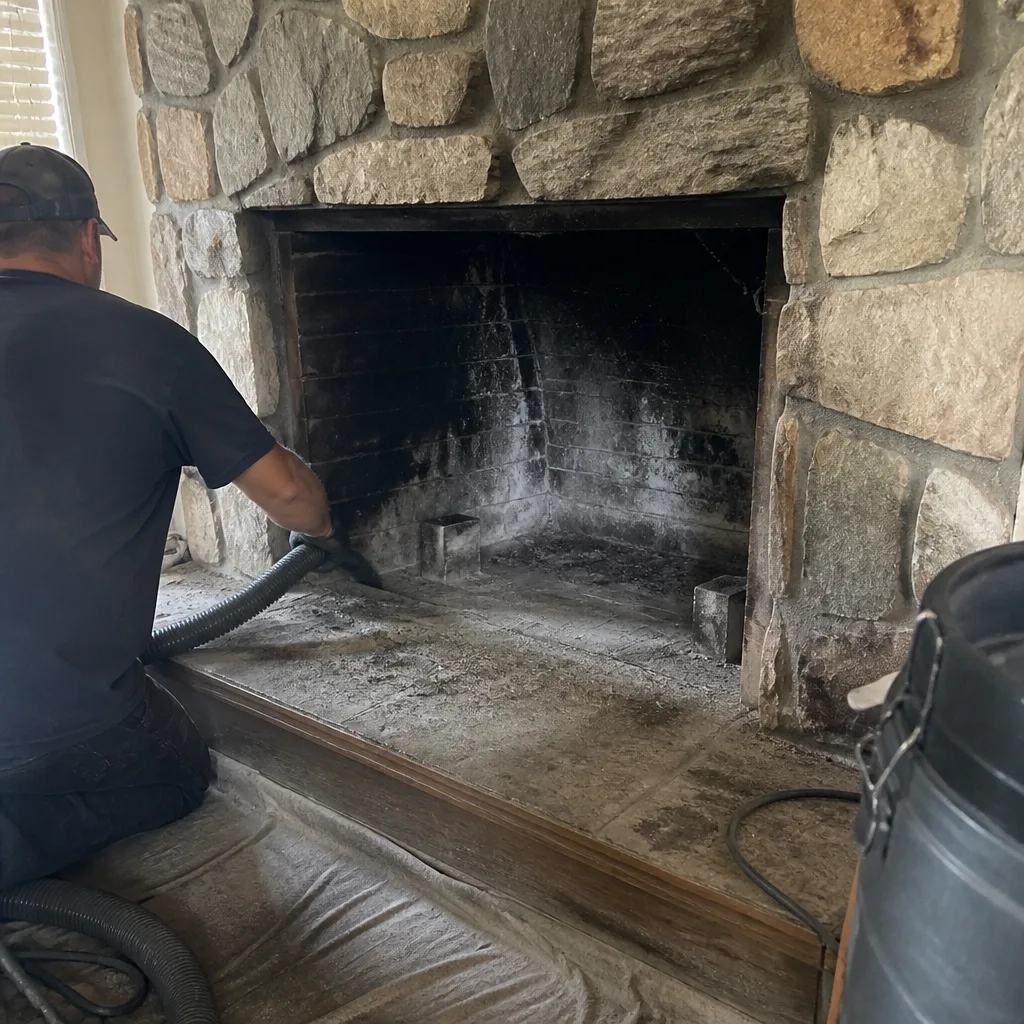 Before
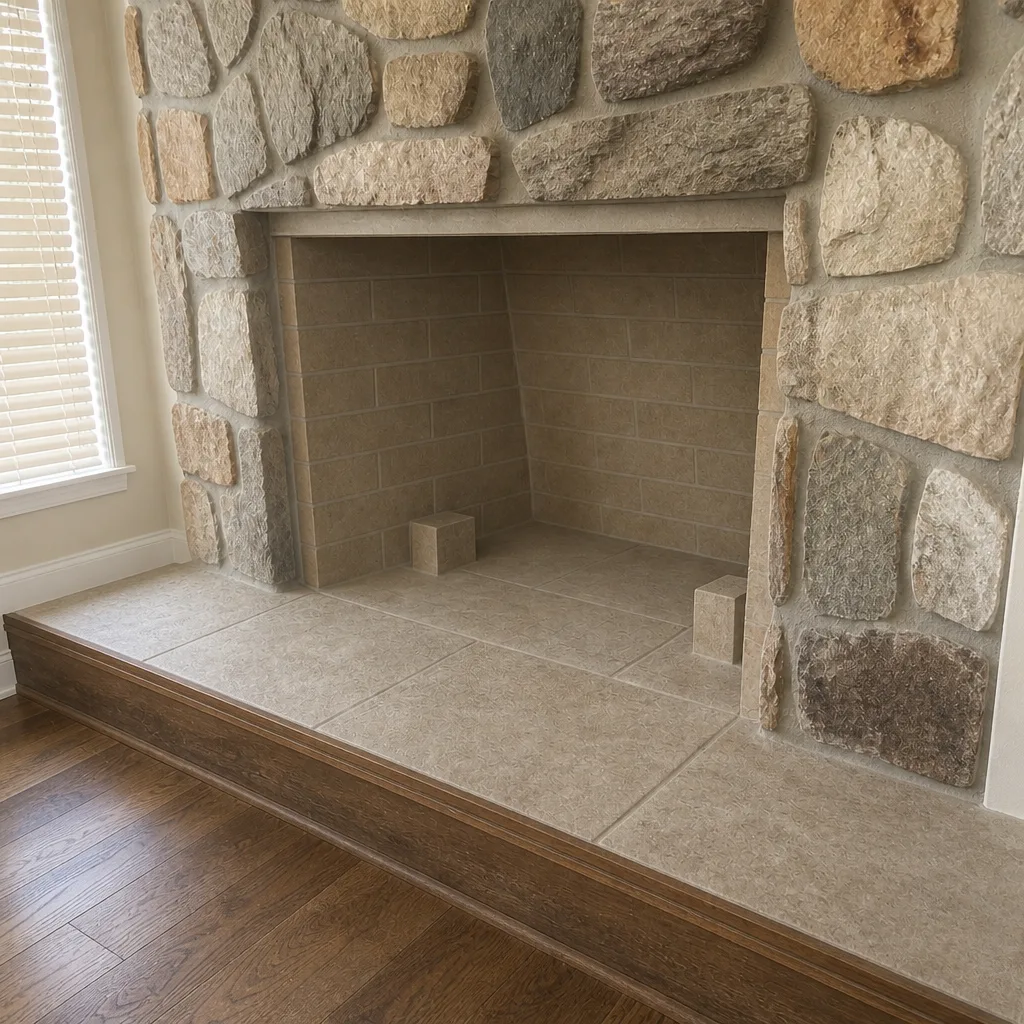 After
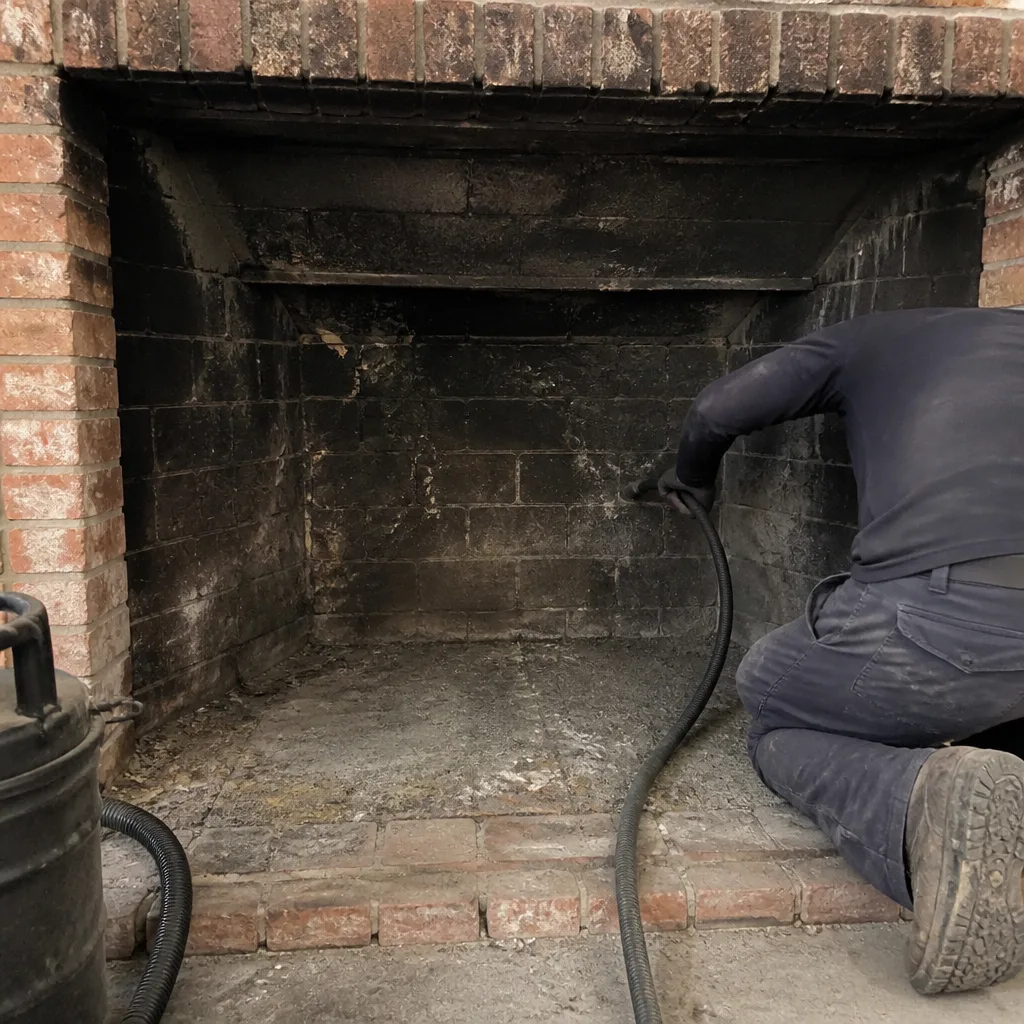 Before
 After
 Before
 After
When to Call a Professional
Call a professional when a cleaning visit turns up a defect that requires a permit classification decision, when you’re preparing to sell and need a Level 2 inspection, when you’ve had a chimney fire or suspected event, when you’re adding a wood insert or changing the appliance on an existing flue, or when an inspection report recommends work you can’t verify from the outside. Those are the moments when the classification matters and the record matters. Chimney Sweep Palm Coast offers free estimates in Palm Coast – call (877) 471-4123. Our technicians have up to experience, and we work with the same professional-grade materials specified by chimney professionals, including DuraFlex liners, HeatShield resurfacing, and Gelco and Olympia Chimney components. If nothing is wrong, we’ll tell you that too, and we’ll explain plainly when work can safely wait. Call (877) 471-4123. We answer 24/7. Fast dispatch from 7am to 7pm, Sunday through Friday.
Frequently Asked Questions
No, routine chimney cleaning does not require a building permit in Palm Coast because it’s classified as maintenance, not construction. A permit becomes necessary when the visit turns into repair or replacement work, such as liner installation, crown rebuilds, or structural firebox repair. If you’re unsure whether your visit will cross that line, ask before the work begins. Call (877) 471-4123 for a free estimate and a clear answer on your specific chimney. We answer 24/7. Fast dispatch from 7am to 7pm, Sunday through Friday.
Any work that adds, removes, or replaces a chimney component triggers a permit, because that work is construction rather than maintenance. Liner installation or replacement, relining, crown repair or rebuild, firebox and smoke chamber repair, and HeatShield resurfacing that alters flue dimensions all cross the threshold. Sweeping, inspection, cap replacement with a like-for-like unit, and nest removal stay on the maintenance side. Call (877) 471-4123 for a free estimate if you’re weighing whether your job needs a permit. We answer 24/7. Fast dispatch from 7am to 7pm, Sunday through Friday.
It’s classified as repair when it restores the existing flue’s original condition and dimensions, and as construction when it alters the flue’s dimensions or listing. That means the classification depends on the condition the resurfacing is correcting, not on the product itself. A HeatShield job that restores a cracked flue to usable condition is typically classified one way; a HeatShield job that corrects an oversized flue is typically classified another. Call (877) 471-4123 for a free estimate and we’ll classify your specific condition before any work starts. We answer 24/7. Fast dispatch from 7am to 7pm, Sunday through Friday.
Yes, a new liner installation requires a building permit in Palm Coast because it’s an alteration to the chimney’s venting system, not maintenance. NFPA 211 requires the liner to be a listed product installed per its manufacturer’s instructions, and Florida Building Code Section 10-14 requires that the installation be inspected to confirm clearance and connection. The permitted installation produces a record at the building department that stays with the property. Call (877) 471-4123 for a free estimate and a plain explanation of what the permit process involves.
Keep the permit number and final inspection record, the pre-work and post-work inspection reports with photos, the manufacturer documentation for the liner or resurfacing system installed, the warranty documentation for components like the cap, and the itemized invoice. Together these form the improvement record that a title search or insurance claim will rely on. If any of them is missing after a job that’s already been completed, call (877) 471-4123. We answer 24/7. Fast dispatch from 7am to 7pm, Sunday through Friday.
You need a Level 2 inspection before selling a home in Palm Coast, because the purchase process and the buyer’s inspector are both looking at the physical condition of the chimney and the documentation trail behind any prior work. A Level 2 includes everything a Level 1 does plus a video scan of the accessible flue interior and access to concealed areas where chimney components pass through. If you’re preparing a home for sale and want the inspection done before the buyer’s inspector sees it, call (877) 471-4123 for a free estimate. We answer 24/7. Fast dispatch from 7am to 7pm, Sunday through Friday.
The Bottom Line
Cleaning is maintenance. Repair and replacement are construction. In Palm Coast, that line is what separates a routine sweep from a permitted job with a recorded inspection and a file the homeowner can produce years later. Under Florida Building Code Section 10-14 and NFPA 211, liner installations and HeatShield resurfacing jobs must be done to listing and inspected for clearance and connection, and the documentation that results matters more than most homeowners expect. The honest takeaway: get the inspection first, get the classification right, and keep the file. The cost of doing it right is far below the cost of discovering at closing that it wasn’t done at all.
Chimney Sweep Palm Coast handles inspection, sweeping, and repair with the same specialist team, using DuraFlex liners, HeatShield resurfacing, and Gelco, Olympia Chimney, and Famco components for permitted work. Call (877) 471-4123 for a free estimate. We answer 24/7. Fast dispatch from 7am to 7pm, Sunday through Friday.
Written by the team at Chimney Sweep Palm Coast.